
You spent the whole day outside. Mowing, raking, hauling bags of mulch, digging up whatever the winter killed off. You felt fine while you were doing it — maybe even good. Then you woke up the next morning and couldn’t turn your neck.
This is one of the most common things we hear from Long Island homeowners across Suffolk County and Nassau County. The physical toll of maintaining a suburban property doesn’t always show up right away. It builds. And for a lot of people in their 40s, 50s, and 60s, the recovery window keeps getting longer. There’s a better way to handle it than just waiting it out — and we want to walk you through it.
Why Yard Work Hits So Hard the Day After — and What’s Actually Happening in Your Body
What you’re feeling the morning after a heavy day outside has a name: delayed onset muscle soreness, or DOMS. According to the American College of Sports Medicine, it typically kicks in anywhere from 12 to 72 hours after physical exertion — which is exactly why you can feel fine at dinner and completely wrecked by breakfast.
The underlying cause is inflammation. When you push muscles harder than they’re used to — and yard work absolutely qualifies — your body responds by flooding the area with pro-inflammatory compounds called cytokines. They’re part of the healing process, but they’re also what makes everything hurt.
Add in the repetitive motions of raking or mowing, the awkward angles of digging and pruning, and the sheer duration of a full yard day, and it’s no surprise your lower back, shoulders, and hips are staging a protest.
Why Ibuprofen Isn’t Always the Answer for Post-Exertion Pain
Most people reach for ibuprofen or another NSAID when the soreness sets in. And in the short term, it works — it reduces inflammation and takes the edge off the pain. But if you’ve been doing this for years, you’ve probably noticed that it takes more to get the same effect, or that your stomach isn’t thrilled about it anymore.
That’s not in your head. Long-term reliance on NSAIDs carries real documented risks: stomach ulcers, increased cardiovascular strain, and kidney stress with prolonged use. These aren’t rare side effects buried in fine print — they’re well-established concerns that doctors and pharmacists regularly flag for older adults who use these medications frequently.
The deeper issue is that ibuprofen manages the symptom without supporting your body’s recovery in any meaningful way. It suppresses inflammation temporarily, but it doesn’t address the underlying process. You take it, the pain dials down, you go about your day, and then you take it again tomorrow.
A lot of the Long Island homeowners we talk to have been in this cycle for years. They’re not looking to eliminate pain relief — they’re looking for something that actually works with their body instead of just masking what’s happening. That’s where CBD, used correctly and with the right formulation, starts to become a genuinely interesting option.
CBD interacts with the body’s endocannabinoid system — a network of receptors found throughout the brain, nervous system, and immune system that plays a direct role in regulating pain signals and the inflammatory response. Research has shown that CBD can suppress pro-inflammatory cytokines, which are the same compounds driving your post-yard-work soreness. A 2016 study published in the European Journal of Pain found that transdermal CBD reduced inflammation and pain-related behaviors in an arthritis model — one of the earlier pieces of research pointing to the specific value of delivering CBD through the skin rather than orally.
That last part matters more than most people realize. And it’s where the conversation about CBD patches becomes worth having.
How a CBD Patch Works Differently Than a Gummy or Tincture for Muscle Pain
When you eat a CBD gummy or take a tincture, the CBD has to travel through your digestive system before it reaches your bloodstream. That process takes time, and it reduces the amount of CBD that actually makes it through. Your liver metabolizes a significant portion of it along the way — a process called the first-pass effect — which means the dose you took and the dose your body actually receives can be quite different.
A transdermal patch bypasses all of that. CBD is fat-soluble, meaning it naturally accumulates in the outer layer of the skin. A well-formulated patch uses penetration-enhancing technology to push the CBD past that barrier and into the tissue and bloodstream below. The result is a controlled, sustained release that continues over an extended period — in the case of the Ameo Entune CBD Patch we carry, that’s a full 24 hours.
What that means practically: you apply it before bed after a brutal day in the yard, and it works while you sleep. You’re not waking up at 3 a.m. to take another dose. You’re not waiting 90 minutes for something to kick in. The delivery is steady, consistent, and targeted — especially if you place the patch close to the area that’s bothering you, whether that’s your lower back, shoulder, or behind the knee.
The Ameo Entune patch is the first and only 24-hour clinical-grade CBD patch available, and it’s the product we recommend most often for people dealing with the kind of full-body soreness that follows a long day of physical work. It’s not a commodity product you’ll find at a pharmacy or a gas station. The formulation is meaningfully different, and the results our customers report reflect that. One customer who had been managing chronic pain for ten years — pain that morphine hadn’t fully addressed — reported sleeping 7½ hours after using the patch for the first time. Another described regaining full range of motion in his neck, a problem area he’d been managing for years. His words: “game-changer.”
That kind of feedback doesn’t come from a product that’s doing the bare minimum.
Finding the Right CBD for Pain Relief on Long Island — Why the Product and the Guidance Both Matter
The CBD market is crowded, and a lot of it is mediocre. Underdosed products, inconsistent formulations, and zero guidance on what to actually buy have left a lot of people convinced that CBD just doesn’t work. In many cases, they’re right — not because CBD doesn’t work, but because what they tried wasn’t the right product, at the right dose, for their specific situation.
This is exactly why we built D&D CBD, Inc. around a consultation model rather than a retail counter. We’re based in East Northport in the heart of Suffolk County, and we work with people from all over Long Island — Nassau County, Huntington, Northport, and beyond — through both in-person and virtual appointments. Before we recommend anything, we want to understand what’s going on with you specifically.
What to Expect When You Book a CBD Wellness Consultation for Pain Relief
We don’t operate like a store. There’s no shelf to browse, no pressure to grab something and go. When you book an appointment with us — which you can do in person at our East Northport location or virtually from anywhere on Long Island — we sit down and actually talk through what you’re dealing with.
That means understanding the nature of your pain: Is it acute soreness after physical activity, or something more chronic that’s been building for months? Is it localized to one area, like a shoulder or your lower back, or is it more systemic? Are you sleeping poorly because of the discomfort? Are you managing anxiety or stress on top of the physical stuff? All of these factors influence which product or combination of products makes the most sense for you.
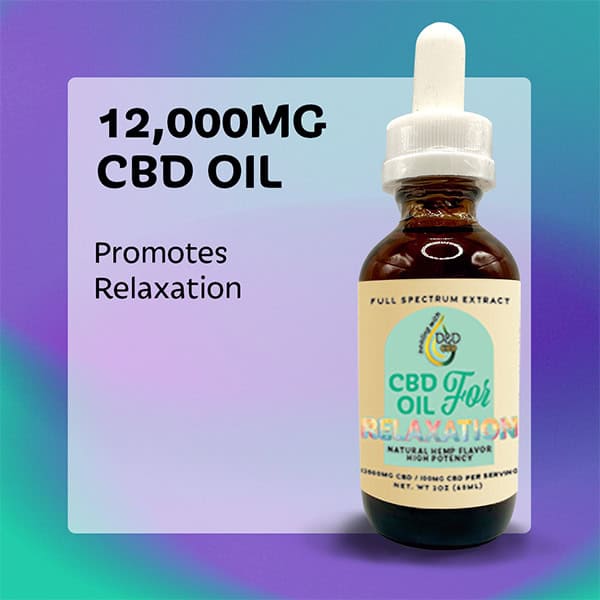
From there, we might recommend the Ameo Entune patch for sustained overnight relief, a topical salve for targeted application to a specific joint or muscle group, a tincture for broader systemic support, or some combination of all three. We carry CBD, CBN, and CBG formulations, and each serves a slightly different purpose — CBN, for example, is particularly well-suited for sleep support, which matters a lot when pain is keeping you up at night.
The point is that you leave the consultation knowing exactly what you’re using, why you’re using it, and how to use it correctly. That’s a very different experience from ordering something online and hoping for the best. It’s also why so many of our customers describe themselves as lifelong users — not because we locked them in, but because they finally found something that actually worked, and they know why it worked.
Every product we carry is third-party lab-tested, contains 0.3% THC or less, and is fully compliant with federal regulations under the 2018 Farm Bill. Hemp-derived CBD is legal in New York and across 47 states. It won’t get you high. It won’t impair you. And if you have specific concerns about drug testing or medication interactions, that’s exactly the kind of thing we talk through in the consultation.
Can CBD Help with Back Pain, Arthritis, Shoulder Pain, and Sleep — or Just Muscle Soreness?
This is one of the most common questions we get, and the honest answer is that the endocannabinoid system doesn’t draw sharp lines between these conditions. Pain is pain. Inflammation is inflammation. Whether it’s the lower back stiffness that comes from a day of raking leaves in Huntington, the hip and knee aches that Long Island’s colder winters tend to amplify in people with arthritis, or the shoulder pain that builds up over years of repetitive overhead work — CBD works through the same underlying mechanisms in all of these cases.
That said, the right product format varies. For back pain and arthritis, transdermal delivery tends to work well because it provides sustained, localized relief without requiring repeated dosing. For anxiety and stress — which often compound physical pain and make recovery harder — a tincture taken consistently over time tends to be more effective. For sleep, CBN-forward formulations or a nighttime patch worn before bed can make a meaningful difference in both how quickly you fall asleep and how long you stay there.
We also carry a dedicated line of hemp products for dogs, which is worth mentioning because a lot of Long Island families come to us for themselves and end up asking about their pets. Aging dogs — especially larger breeds common in Suffolk County households, like Labs and Golden Retrievers — deal with joint pain, hip stiffness, and anxiety in ways that are remarkably similar to what their owners are managing. Our hemp dog treats and oils are formulated specifically to support joint health and ease discomfort in pets, and they’re made with the same commitment to quality and transparency as everything else we carry.
The through-line across all of it is that we’re not selling you a product category. We’re helping you figure out what your body — or your dog’s body — actually needs, and then making sure you have access to something that can genuinely deliver. That’s a different conversation than most CBD providers on Long Island are willing to have, and it’s the one we think matters most.
Ready to Find Natural Pain Relief That Actually Works on Long Island?
If you’ve been grinding through the soreness with ibuprofen, or you’ve tried CBD before and it didn’t do much, the answer probably isn’t to keep doing the same thing. It’s to get the right product, at the right dose, with someone who can actually walk you through it.
That’s what we do at D&D CBD, Inc. We’re a family-owned business rooted in East Northport, and we’ve spent years helping people across Suffolk County and Nassau County find real, natural relief — from the kind of everyday soreness that comes with maintaining a Long Island home, to chronic pain that hasn’t responded to anything else.
Reach out to us, book a consultation, and let’s figure out what’s going to work for you. The conversation is free. The relief, when you find it, is worth every bit of the effort to get there.