There’s a version of exhaustion that doesn’t show up on any lab report. It’s the kind that comes from being the person everyone else depends on — the one managing medications, appointments, moods, and moments of crisis, often while holding down a job and raising a family at the same time. If that sounds familiar, you already know what caregiver burnout feels like from the inside.
What you might not know is that your body is keeping score in ways that compound over time. CBD won’t fix the situation, but for a lot of caregivers, it’s become a meaningful part of staying functional — and staying well enough to keep showing up.
CBD for Stress and Anxiety: What’s Actually Happening in Your Body
Caregiver stress isn’t just emotional. When you’re in a sustained state of high alert — anticipating the next fall, the next medication refill, the next hard conversation — your body’s stress-response system stays switched on far longer than it was designed to. Cortisol stays elevated. Sleep gets fragmented. Your immune function quietly takes a hit.
Research has linked the chronic stress of caregiving to significantly higher rates of anxiety, depression, and even mortality compared to non-caregiving adults.
CBD interacts with the body’s endocannabinoid system, a network of receptors that plays a role in regulating mood, stress response, sleep, and inflammation. It also appears to act on serotonin receptors in the brain — the same receptors that many anti-anxiety medications target — which is one reason researchers have been paying attention to it as a non-pharmaceutical option for anxiety relief.
That doesn’t make it a cure, but it does make it more than a trend.
Why Caregiver Anxiety Is Different — and Why That Matters for CBD
Most anxiety content assumes the reader has a discrete trigger — a fear of flying, a social situation, a stressful event. Caregiver anxiety doesn’t work that way. It’s ambient. It’s the low-grade hum that’s there when you wake up and still there when you finally lie down.
According to a 2025 survey of over 1,000 family caregivers, 87% reported experiencing stress and anxiety, and more than half said it happened at least weekly. Nearly 84% reported feelings of overwhelm. These aren’t occasional spikes — they’re a baseline.
That distinction matters when thinking about CBD because it shapes how you’d want to use it. A product that helps with situational anxiety might not be the right fit for someone managing a chronic, sustained stress load. What tends to work better for caregivers is a consistent daily routine — something that supports the nervous system over time rather than just addressing a single moment.
An oil taken sublingually in the morning can help set a calmer tone for the day. A gummy in the evening can take the edge off the mental replay that tends to happen when things finally go quiet. For caregivers who are physically on their feet all day — lifting, transferring, bending — a topical salve addresses the body’s stress too, not just the mind’s. And for those who need something that works throughout the day without interrupting their routine, a CBD patch offers steady, hands-free support from morning to night.
The point isn’t that one format is better than another. It’s that the format should fit your life, not the other way around. Caregivers don’t have time to build elaborate wellness routines. The products that actually get used are the ones that slot into what you’re already doing.
CBD is non-psychoactive. It does not produce a high. It will not impair your ability to respond to a situation, make a decision, or drive. For caregivers who need to stay sharp and present, that distinction matters.
CBD for Sleep Anxiety: When Your Brain Won’t Stop at Night
Sleep is where a lot of caregivers feel the stress most acutely. You finally get into bed, and your brain starts running through everything that happened and everything that could go wrong tomorrow. You’re listening for sounds from down the hall. You’re calculating whether you have enough of someone’s medication to get through the week. By the time you drift off, it feels like you’ve barely slept before it starts again.
This pattern — anxiety that specifically interferes with sleep — is one of the most commonly reported experiences among caregivers. And it’s also one of the areas where CBD has shown the most promising early results. The same endocannabinoid system involvement that may help with anxiety during the day also plays a role in regulating sleep cycles. Some users report that CBD helps them fall asleep more easily; others say the bigger difference is in the quality of sleep they get, waking up feeling less wired and more restored.
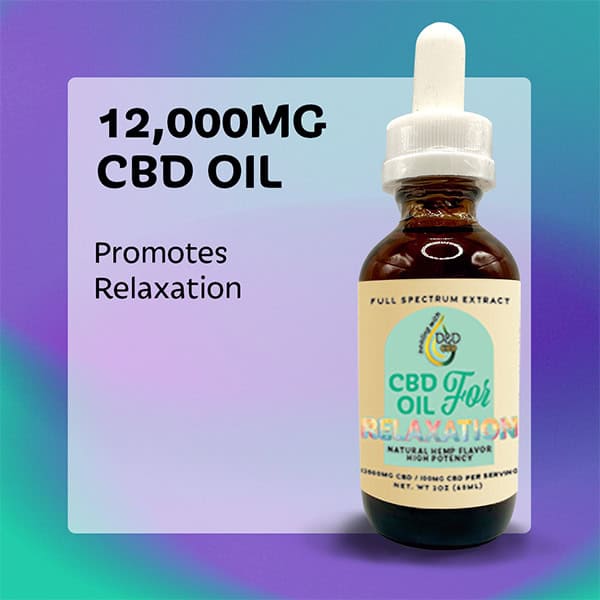
A higher-potency CBD oil taken before bed is what many caregivers gravitate toward for sleep support. We’ve heard from customers who describe it as the difference between lying there staring at the ceiling and actually being able to let the day go.
What makes the sleep application particularly relevant for Nassau County, NY caregivers is the scale of the need. Nassau County has nearly 300,000 residents aged 60 and over — one of the largest senior populations of any suburban county in New York. Behind every one of those residents is often a family member managing their care, frequently while also working full-time and raising children of their own. The “sandwich generation” is not an abstraction here. It’s the reality for a significant portion of the people living in communities like Garden City, Great Neck, Massapequa, and Rockville Centre.
Sleep disruption at that level of sustained demand isn’t a minor inconvenience — it’s a health risk. And it’s one that a lot of people are quietly trying to manage on their own.
CBD for Anxiety Relief: How to Choose Something You Can Actually Trust
The CBD market is genuinely hard to navigate. Products vary enormously in quality, potency, and accuracy of labeling — and without third-party lab testing, there’s no reliable way to know what you’re actually getting. For caregivers who are already managing someone else’s complex medication and supplement regimen, the idea of adding something unverified to their own routine is understandably off-putting.
The standard that separates trustworthy CBD products from everything else is the Certificate of Analysis, or COA. This is a batch-specific lab report from an independent testing facility that confirms what’s actually in the product — cannabinoid potency, THC levels, and a screen for contaminants like pesticides, heavy metals, and residual solvents. Reputable brands make their COAs publicly accessible and match them to the batch or lot number on the product.
If a brand doesn’t publish COAs, that’s a meaningful red flag.
What to Look for in a CBD Product as a Caregiver
Beyond the COA, there are a few other markers worth paying attention to. Potency transparency matters — a product should tell you how many milligrams of CBD are in each serving, not just the total bottle strength. A 3,000mg bottle with 60 servings gives you 50mg per serving; a 1,000mg bottle with 30 servings gives you about 33mg. Those are meaningfully different doses, and the bottle size alone doesn’t tell you which one you’re dealing with.
THC content is another consideration. Hemp-derived CBD products are federally required to contain no more than 0.3% THC — not enough to produce any psychoactive effect, but worth confirming through the COA rather than just taking a label’s word for it. Broad-spectrum CBD products retain multiple cannabinoids and terpenes for what’s called the “entourage effect” — the idea that these compounds work better together than any single one in isolation — while removing THC entirely. That’s the formulation behind our gummies, and it’s a popular choice for people who want the full-plant benefit without any THC at all.
Licensing is also worth checking, especially in New York. The state’s Office of Cannabis Management regulates hemp-derived CBD products, and licensed processors and retailers are required to meet specific compliance standards. We hold licenses OCM-HMPD-24-01160 and OCM-HMPR-26-13111-001 — both verifiable through the OCM — which means our products meet New York’s legal requirements and have been reviewed accordingly. In a market where plenty of products are sold without any state-level oversight, that matters.
Finally, format and ease of use matter more for caregivers than for most other buyers. The best product is the one you’ll actually use consistently. If a tincture fits into your morning routine, that’s the right format. If you need something you can put on and forget about, the Ameo Entune CBD Patch — which combines CBD with essential oils for sustained, hands-free support throughout the day — might be a better fit. We help you figure out what actually fits your life.
Why Nassau County, NY Caregivers Deserve a Local, Trustworthy Option
We started D&D CBD, Inc. because of caregiving. Our daughter Erika has undergone more than 60 surgeries and lives with CHARGE syndrome — a complex congenital condition that affects multiple organ systems. Finding natural support for her pain and anxiety wasn’t a business opportunity we stumbled onto. It was something we needed, and when we found products that worked, we built a company around making them accessible to other people dealing with similar situations.
That origin matters when you’re deciding who to buy from. We’re not a dispensary, and we don’t carry smokables, flower, or vape products. We made that choice deliberately, because the people we serve — caregivers, people managing chronic pain, people looking for a natural alternative to another prescription — are looking for wellness support, not a recreational experience. What you see is what you get.
For Nassau County, NY residents specifically, we want to be a resource you can actually reach. We offer free local delivery upon request, so if you’re managing a loved one’s schedule and can’t easily get out, you don’t have to. We’re also available by appointment — in person or virtually — because some questions are better answered in a real conversation than on a product page.
When you contact us, you’re talking to the owner. Not a chatbot, not a call center. Someone who has been in a caregiving situation and understands what you’re navigating.
Nassau County’s Office for the Aging serves approximately 300,000 residents aged 60 and older, and the county was the first in the nation to establish a dedicated agency for aging residents. The infrastructure for caregiver support is here. The community is here. We’re here too — and we’d rather earn your trust slowly with honest information than win it quickly with promises we can’t keep.
Finding the Right CBD Support as a Caregiver in Nassau County
Caregiving asks a lot of you — more than most people around you probably realize. The stress, the sleeplessness, the constant low-grade vigilance — those aren’t just feelings. They’re physiological responses that accumulate over time, and they deserve to be taken seriously.
CBD isn’t a cure for any of that. But for many caregivers, it’s become a practical, non-pharmaceutical tool for managing the daily physical and emotional toll — something that helps them sleep a little better, feel a little less on edge, and stay functional for the people who depend on them. When it comes from a source you can verify and trust, it’s worth considering.
If you have questions about which products might be a good fit for your situation, D&D CBD, Inc. is here to help you work through them — honestly, personally, and without any pressure.

