
If you’ve ever found yourself pacing your bedroom at midnight because your legs simply won’t cooperate, you already know that “just relax” isn’t useful advice. Restless leg syndrome — RLS — is a recognized neurological condition, not a quirk or a habit. And for the millions of adults dealing with it, the search for relief is very real.
The good news is that there are home-based approaches with actual evidence behind them. Some you may have tried. Some you probably haven’t. This post covers what’s worth your time, what the research supports, and where CBD fits into the conversation — honestly, without the hype.
Home Remedy for Restless Legs: The Foundation Most People Skip
Most articles on RLS home remedies jump straight to warm baths and stretching. Those things can help, but they’re surface-level fixes if you haven’t addressed the underlying drivers first. The two most evidence-backed starting points are iron and magnesium — and most people either haven’t checked their levels or haven’t taken the right form.
Low iron stores, specifically low ferritin, are considered the strongest single correlate of RLS according to the NIH’s National Institute of Neurological Disorders and Stroke. If your ferritin is below 75 ng/mL, iron supplementation may produce meaningful improvement. That’s not a guess — it’s one of the most well-supported interventions in the literature.
Magnesium glycinate, around 200–400 mg before bed, is another frequently recommended option that helps relax the nervous system and ease muscle tension overnight. Together, these two address the physiological foundation that many RLS sufferers overlook.
Best Remedy for Restless Legs: Why One Fix Rarely Does It
Here’s the thing about RLS that most articles gloss over: it doesn’t have a single cause. For some people it’s iron deficiency. For others it’s a genetic component — research suggests 30 to 60 percent of cases have a family history link. For others still, it’s being triggered or worsened by something they’re already taking, like certain antihistamines, some antidepressants, or even regular alcohol and caffeine use.
That’s why the best remedy for restless legs is rarely one thing. It’s a combination — and the combination looks different for different people. The most effective approach tends to address the physiological side (iron, magnesium, folate, B12 for nerve health), the lifestyle side (reducing known triggers, improving sleep hygiene, getting regular movement), and the symptom side (managing the discomfort and sleep disruption in real time).
Stretching and light exercise do have genuine support behind them, particularly for people who are largely sedentary. Warm baths before bed can ease muscle tension enough to reduce symptom intensity. Leg massage, foam rolling, and even alternating heat and cold packs are tools that work for some people on some nights.
What tends to trip people up is expecting any single remedy to solve the whole problem. If you’ve tried magnesium and it didn’t fully work, that doesn’t mean magnesium was the wrong idea — it may mean magnesium alone wasn’t enough. The goal is to build a protocol that addresses multiple angles at once, and then refine it based on what actually moves the needle for you.
If you’re taking medications and considering adding supplements, it’s worth a conversation with your doctor first. RLS can overlap with other conditions, and some supplements interact with prescriptions in ways that matter.
What Makes RLS Worse at Night — and Why Nassau County Residents Feel It Harder
RLS symptoms reliably worsen in the evening and at night. That’s not a coincidence — it’s a recognized pattern tied to circadian rhythms, dopamine fluctuations, and the body’s shift toward rest. But for a lot of people in Nassau County, NY, there’s an additional layer that doesn’t get talked about enough: the commute.
A significant portion of Nassau County’s population commutes into New York City daily — by car on the Long Island Expressway or the Northern State Parkway, or by train on the LIRR. Prolonged sitting is a documented RLS trigger. The longer and more sedentary your commute, the more likely you are to arrive home with legs that are already primed to act up by the time you try to sleep.
This is also why the standard advice — “go for a walk before bed” — doesn’t always land the way it’s intended. If you’ve already been sitting for two hours on a train after a full workday, adding a walk to the end of that day isn’t always realistic. What actually helps in that context is a combination of targeted approaches: addressing the physiological triggers, reducing the evening symptom window, and supporting sleep quality so that even if symptoms flare, you’re not awake for hours because of them.
Seasonal factors matter too. Long Island winters reduce outdoor activity, lower vitamin D levels, and push people toward more sedentary evenings — all of which can intensify RLS symptoms. The fall and winter months tend to be when Nassau County residents start searching harder for answers, and it’s worth having a plan in place before the season shifts rather than scrambling in January.
Natural Remedies for RLS: Where CBD Enters the Picture
If you’ve already worked through the iron-and-magnesium basics and you’re still dealing with significant symptoms, CBD is worth understanding — not as a cure, but as a tool that addresses some of the specific mechanisms behind RLS that lifestyle changes alone don’t touch.
CBD interacts with the endocannabinoid system, which plays a role in regulating sleep, pain response, and mood. For RLS sufferers, that’s directly relevant: the condition isn’t just about leg discomfort — it’s about the sleep disruption, the nighttime anxiety that builds around symptom onset, and the cumulative fatigue that compounds everything else. A 2025 review in a peer-reviewed journal describes RLS as the most common sleep-related movement disorder, affecting up to 15 percent of the U.S. and European adult population.
Does CBD Actually Help With Restless Leg Syndrome?
The honest answer is that the research is still developing — but what exists is more promising than most CBD content lets on. A study published in the Journal of Neurology evaluated a low-dose cannabinoid oral spray in patients with RLS and found it reduced severity scores on the IRLS scale after one and three months of use, with improvements maintained at the one-year mark among patients who continued.
Separately, research into the endocannabinoid system and sleep shows that cannabinoids can decrease sleep onset latency, increase total sleep time, and support slow wave sleep — all areas where RLS sufferers tend to struggle most. A study from the Clinical Neurosciences Centre found that 84 percent of CBD users reported feeling calmer and more relaxed almost immediately. For someone who lies awake dreading the moment their legs start up, that calming effect isn’t a minor side note.
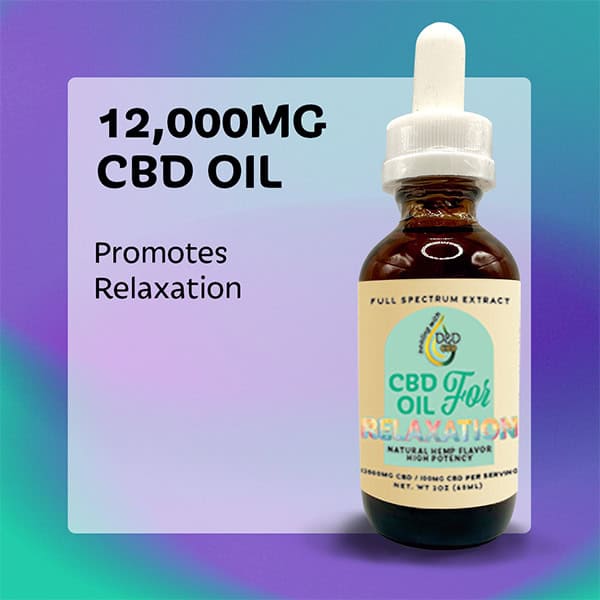
Where CBD fits practically depends on the symptom picture. Full-spectrum CBD tinctures work systemically — they support overall sleep quality and help regulate the nervous system response that underlies RLS. Transdermal patches offer something different: sustained, localized delivery directly to the affected area. For leg-specific discomfort, a patch applied to the leg provides time-released cannabinoid exposure in a way that an oral product doesn’t replicate.
What matters most when choosing a CBD product is knowing what’s actually in it. Third-party lab testing with publicly available Certificates of Analysis is the standard that separates legitimate products from the kind you’d find at a gas station. COAs verify cannabinoid content and confirm the absence of pesticides, heavy metals, and residual solvents.
Finding Quality CBD for RLS in Nassau County, NY
Nassau County has a developed wellness market, and there’s no shortage of CBD products available — online, in stores, and through licensed dispensaries. NYU Langone’s sleep center in Garden City, the first AASM-accredited sleep center in Nassau County, explicitly treats RLS as part of its practice, which reflects just how common and clinically recognized the condition is in this area.
In New York State, legitimate hemp CBD sellers operate under licensing from the Office of Cannabis Management. Those licenses are publicly verifiable and signal that the business is operating within the state’s regulatory framework — not in a gray area. When you’re buying a product to manage a chronic condition, that distinction matters more than most people realize.
We’re based in East Northport, on the western edge of Suffolk County — close enough to Nassau County, NY that we offer free local delivery to residents across the area. Every product we carry comes with a Certificate of Analysis from an independent third-party lab, and those COAs are publicly available, not buried in fine print. We don’t sell smokables or flower. Our focus is on the wellness side of CBD: oils, tinctures, transdermal patches, gummies, salves, and a few things that don’t fit neatly into any category.
Subscription pricing is available if you find something that works — CBD oil drops, for example, drop from $100 to $90 a month on subscription, which adds up when you’re using something consistently. What we hear most from people who come to us after trying CBD from other sources is that they weren’t sure what they were getting. That’s a reasonable concern. The difference between a properly tested, licensed product and whatever’s on the shelf at a convenience store is real, and it shows up in results.
If you have questions before you buy — about which format makes sense for your situation, about interactions with medications you’re already taking, about what to realistically expect — you can reach us directly. No chatbot, no automated response. Brandon handles everything personally, and that’s just how we operate.
Managing RLS at Home: What’s Worth Trying and What Comes Next
RLS doesn’t have a single fix, and anyone telling you otherwise is oversimplifying. What it does have is a growing body of evidence around specific interventions — iron and magnesium for the physiological foundation, lifestyle adjustments to reduce known triggers, and CBD as a meaningful addition for the sleep disruption and leg discomfort that the basics don’t always resolve.
If you’re in Nassau County, NY and you’ve been working through the standard advice without getting far enough, it may be time to look at the fuller picture. The commute, the season, the specific products you’re using — all of it matters more than most generic articles acknowledge.
D&D CBD, Inc. is here if you want to talk through what might actually help in your situation. Reach out directly and you’ll hear back from a real person who knows the products and takes the time to get it right.