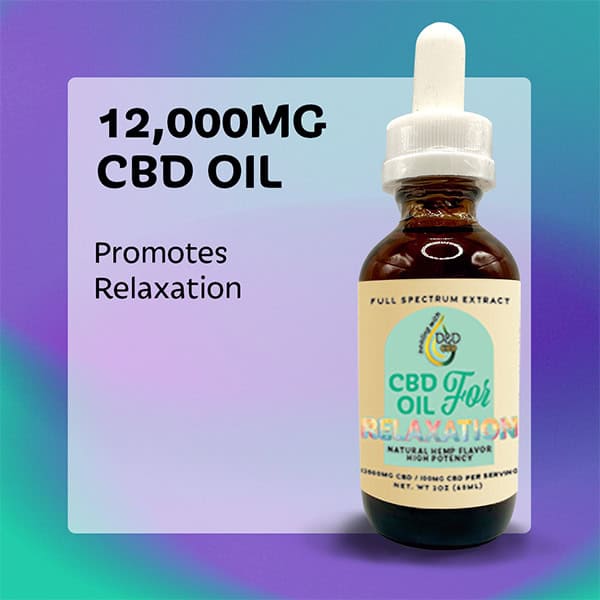
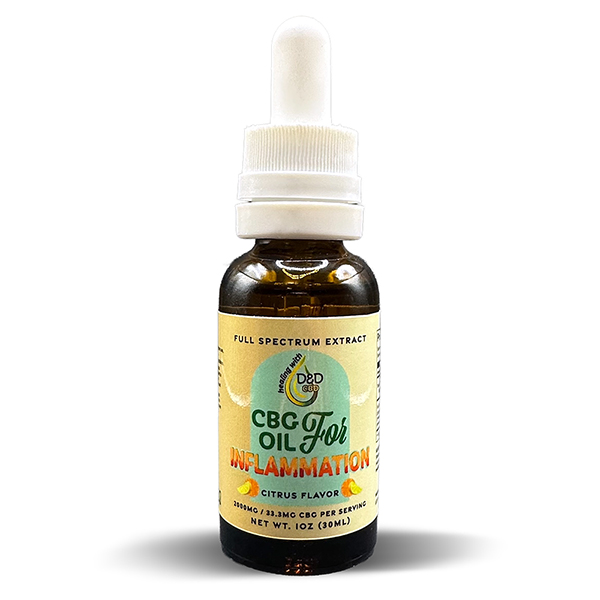
You’ve probably seen CBD everywhere — in pharmacies, on Instagram, at the farmers market. And you’ve probably also heard someone swear by it and someone else say it did absolutely nothing for them. That gap isn’t random. It usually comes down to product quality, dosing, and whether the type of CBD matched the condition. If you’re dealing with joint pain, arthritis, restless legs, or just the kind of daily soreness that makes it hard to move the way you used to — and you’re trying to figure out whether CBD is actually worth your time — this is the page for you. We’re going to cut through the noise and give you a straight answer.
How CBD Works for Pain Relief
CBD — short for cannabidiol — is a compound derived from the hemp plant. It doesn’t get you high. What it does do is interact with a network in your body called the endocannabinoid system, or ECS. The ECS plays a role in regulating pain perception, inflammation, sleep, and mood. It’s active whether you’ve ever used CBD or not — your body produces its own cannabinoids naturally.
When CBD enters your system, it influences receptors throughout this network. CB1 receptors are concentrated in the brain and nervous system. CB2 receptors are found in immune tissues and throughout the body’s peripheral systems. CBD doesn’t bind to these receptors the way THC does — it works more indirectly, helping to modulate the signals that tell your body how much pain to register and how intensely to respond to inflammation.
Hemp Pain Relief: What the Research Actually Says
The research on CBD for pain is real, but it’s worth being honest about where it stands. A 2020 review of existing studies found meaningful evidence that CBD can help with chronic pain, sleep disruption related to pain, and inflammation. The Arthritis Foundation surveyed more than 2,600 arthritis patients and found that nearly 80% were currently using CBD, had used it, or were actively considering it for joint pain. That’s not a fringe statistic — that’s a significant portion of a patient population making a real-world choice.
What the research is still working through is the full picture of dosing, delivery method, and which conditions respond best. The difference between someone who tries CBD and feels nothing versus someone who becomes a consistent user often comes down to three things: product quality, consistent use, and choosing the right format for your situation.
Hemp-derived CBD — which is what we carry at D&D CBD, Inc. — contains 0.3% THC or less. That’s the federal legal threshold, and it’s not enough to produce any psychoactive effect. You won’t feel high. You won’t feel foggy. For people across Nassau County, NY who are navigating chronic pain but still need to be sharp for work, for family, for a commute into the city — that distinction matters enormously.
One more thing worth knowing: hemp seed oil is not CBD oil. Hemp seed oil comes from the pressed seeds of the hemp plant and has nutritional value, but it contains no meaningful cannabidiol. If a product lists “hemp seed oil” as its active ingredient and doesn’t specify CBD content or provide a Certificate of Analysis, it’s not doing what you think it’s doing. This is one of the most common points of confusion in the market, and it’s worth getting clear on before you spend any money.
Topical CBD for Joint Pain vs. Oils and Patches: Which One Makes Sense
The format you use matters more than most people realize, and it’s one of the main reasons someone can try CBD and walk away unimpressed — not because CBD doesn’t work, but because they used the wrong delivery method for their situation.
Topical CBD products — creams, salves, and balms — are applied directly to the skin over a painful area. They work locally, meaning the CBD absorbs into the tissue at the application site and doesn’t travel significantly through the bloodstream. For localized joint pain, muscle soreness, or targeted arthritis discomfort, a topical can be a good starting point.
CBD oil tinctures work differently. Taken under the tongue, they absorb into the bloodstream more quickly than a capsule or edible would, and they produce more of a whole-body effect. For someone dealing with systemic inflammation, widespread joint pain, or pain that’s disrupting sleep, an oil may be more appropriate than a topical.
Then there are patches. We carry the Ameo Entune CBD Patch — what we call “Wear the Square” — and it’s one of our most talked-about products. Unlike a topical cream that sits on the skin’s surface, a transdermal patch delivers CBD through the skin and into the bloodstream over time, providing a sustained, consistent release. One of our customers had been modifying her elliptical routine for years because of heel pain — she had to use the bars to take weight off her heel. After using the patch, she was able to do the full movement again. That’s not a vague “I feel better” — that’s a specific, measurable change in what her body could do.
The right format depends on your specific situation. That’s actually one of the reasons we work by appointment — so we can have a real conversation about what you’re dealing with and point you toward something that actually fits.
CBD for Joint Pain and Arthritis: Conditions We Hear About Most
Pain takes a lot of different forms, and CBD isn’t a one-size-fits-all answer. But there are certain conditions where it comes up consistently — either because the research supports it, because the patient community has embraced it, or both. The conditions below are the ones we hear about most from customers across Nassau County, NY and the surrounding Long Island area.
CBD Oil for Joint and Muscle Pain: Arthritis, Knee Pain, and Frozen Shoulder
Arthritis is the condition most closely associated with CBD use, and for good reason. The Arthritis Foundation’s survey numbers speak for themselves — this is a patient population that is actively looking for alternatives to long-term NSAID use and the side effects that come with it. CBD’s interaction with CB2 receptors is particularly relevant here, because those receptors are involved in the immune response and inflammation pathways that drive arthritis pain.
For osteoarthritis — the wear-and-tear type that tends to worsen with age and cold weather — topical CBD can be a useful tool for targeted relief. Nassau County winters are genuinely rough on joints. When temperatures drop and humidity shifts, synovial fluid (the lubricant in your joints) thickens, and stiffness sets in faster. A lot of our customers notice their arthritis flares up significantly between November and March, and that’s when we hear from people who’ve been on the fence about trying CBD.
Rheumatoid arthritis is a different animal — it’s autoimmune, meaning the immune system is attacking the joints. CBD’s potential to modulate inflammatory signaling makes it interesting in this context, though anyone managing RA with prescription medication should talk to their doctor before adding CBD to the mix. We’re here to support a treatment plan, not replace one.
Knee pain — whether from arthritis, overuse, or a past injury — is one of the most common things people come to us about. A combination of a topical salve applied directly to the knee and a CBD oil tincture for systemic support is a pattern we see work well for people dealing with chronic knee discomfort.
Frozen shoulder is less commonly discussed but genuinely debilitating. The inflammation and restricted range of motion that come with it can make simple daily tasks painful. One of our customers specifically mentioned neck range of motion as their “huge problem area” — and described the improvement after consistent CBD use as significant enough that they expect to be a long-term user. CBD’s anti-inflammatory properties and its influence on pain signaling make it a reasonable option to explore for conditions like this, where conventional treatment options are often slow and limited.
Natural Remedies for Restless Legs and CBD’s Role in RLS Relief
Restless Legs Syndrome — clinically called Willis-Ekbom Disease — is one of those conditions that sounds manageable until you’re living with it. The tingling, crawling, burning sensation that forces you to move your legs, usually at night, right when you’re trying to sleep. It’s most common in adults over 40 and more prevalent in women, and there’s no cure. Management is the goal.
For Nassau County, NY residents who commute into the city on the LIRR, there’s an added layer to this. Sitting for extended periods — on the train, at a desk, on the way home — is a well-known trigger for RLS symptoms. You finally get home, you’re exhausted, you lie down, and your legs won’t cooperate. It’s a particularly frustrating cycle.
Natural remedies for restless legs typically include magnesium supplementation, stretching routines, heat and cold therapy, and reducing caffeine and alcohol. CBD fits into this picture as a complement to those approaches, not a replacement. Its interaction with the ECS may help regulate the nerve signaling involved in RLS, and its calming effect on the nervous system can make it easier to wind down at night. A clinical neurosciences study found that 84% of people who used CBD felt calmer and more relaxed almost immediately — which is directly relevant for someone whose legs are keeping them awake at night.
For RLS specifically, both CBD oil tinctures (taken before bed) and the Ameo Entune CBD Patch (worn for sustained release) are worth considering. The patch’s transdermal delivery means CBD enters the bloodstream gradually, which may be better suited to a condition that tends to worsen over hours rather than hitting all at once. There’s no single best remedy for restless legs that works for everyone, but CBD has become a meaningful part of how many people manage their symptoms — and it’s one we can talk through with you based on your specific situation.
Finding CBD for Pain Relief That’s Actually Worth Trusting
The CBD market is full of products that overpromise and underdeliver — and that’s a real problem, because it means a lot of people have tried CBD, felt nothing, and written it off. Usually, the issue wasn’t CBD. It was the product.
What separates a trustworthy CBD product from a waste of money comes down to a few non-negotiables: third-party lab testing with a publicly available Certificate of Analysis, clear potency labeling, transparent sourcing, and state licensing. In New York, that means looking for OCM licensing — the Office of Cannabis Management issues both distributor and retailer licenses, and holding both is a meaningful signal that a company is operating legitimately.
If you’re in Nassau County, NY and you’ve been curious about CBD for joint pain, arthritis, restless legs, or any of the conditions covered here — or if you’ve tried it before and it didn’t work — we’d encourage you to have a real conversation before you buy anything. D&D CBD, Inc. was built on exactly that kind of direct, no-pressure exchange. Reach out, and let’s figure out what actually makes sense for you.