
You’ve probably heard that CBD can help with chronic pain. Maybe you’ve already tried it — picked up something online or grabbed a product off a shelf — and felt absolutely nothing. That experience is more common than you’d think, and it almost never means CBD doesn’t work. It usually means the wrong format ended up in the wrong hands for the wrong type of pain.
There’s a real difference between a low-dose gummy and a transdermal patch. Between a topical salve and a full-spectrum oil. Once you understand how each one works — and when — the whole picture changes. Let’s walk through it.
Arthritis Pain and CBD: What the Research Actually Shows
Arthritis is the most common source of chronic joint pain in the U.S., affecting an estimated 54 million Americans. For many of those people, the usual options — ibuprofen, acetaminophen, prescription anti-inflammatories — come with real drawbacks: stomach issues, long-term organ stress, or simply diminishing returns after years of use.
CBD has been studied as an alternative, and the results are more compelling than most people expect. A peer-reviewed study published in the Journal of Cannabis Research found that 83% of arthritis patients reported improvements in pain after using CBD, with an overall 44% reduction in pain across the study group. Sixty percent of participants reduced or stopped other medications entirely — including nearly one in five who discontinued opioids.
Why CBD Helps With Joint Pain and Inflammation
CBD interacts with the body’s endocannabinoid system — a network of receptors that plays a direct role in regulating pain signals, inflammation, and sleep. When CBD binds to those receptors, it can reduce the inflammatory response that drives the deep, persistent ache most arthritis sufferers know well. A 2024 systematic review across 40 independent studies concluded that CBD is both effective and safe for reducing pain through its analgesic and anti-inflammatory properties — particularly for osteoarthritis and chronic joint conditions.
For those of us managing joint pain here in Nassau County, the climate makes a real difference. Long Island winters are no joke for anyone dealing with arthritis. Cold weather causes synovial fluid — the natural lubricant in your joints — to thicken, which makes movement stiffer and more painful. The months between November and March consistently drive more people to search for pain relief alternatives, and CBD’s anti-inflammatory mechanism is directly relevant to what’s happening in your body during that seasonal shift.
Researchers at the University of Michigan’s Chronic Pain and Fatigue Research Center have described CBD’s side effect profile as “remarkably safe” compared to Tylenol or ibuprofen. That matters for people who’ve been on NSAIDs for years and are starting to feel the consequences. If you’re taking blood thinners or certain heart medications, a conversation with your doctor before starting CBD is worth having, since CBD can interact with some drugs metabolized by specific liver enzymes.
How to Know If You’re Using the Right CBD for Arthritis Pain
Most people who say “CBD didn’t work for me” were using a product that was either underdosed, low quality, or simply the wrong format for their type of pain. The CBD industry had a rough era where products flooded the market with little to no actual cannabinoid content, no third-party testing, and no accountability. A lot of people got burned, and reasonable skepticism followed.
Here’s what a quality CBD product for arthritis pain actually looks like: it’s full-spectrum or broad-spectrum (not isolate), because the combination of CBD with other cannabinoids and plant compounds produces a more complete effect than CBD alone — what researchers call the entourage effect. It has a publicly available Certificate of Analysis from an independent lab, verifying both potency and the absence of contaminants. And it comes from a company that can tell you exactly what’s in the product, where it came from, and what license they hold to sell it in New York State.
We hold two active licenses from New York’s Office of Cannabis Management — OCM-HMPD-24-01160 and OCM-HMPR-26-13111-001 — and our Certificates of Analysis are publicly available on our site. That’s the baseline for what buying CBD responsibly should look like. If a company can’t show you their lab results, that’s a real reason to walk away.
Consistency also matters more than most people realize. CBD for chronic pain isn’t a one-dose solution. Research consistently shows that regular use over 30 or more days produces the most meaningful results.
Best CBD for Arthritis: Matching the Format to Your Life
Most CBD guides will tell you CBD helps with pain and leave you staring at a product page trying to decide between a tincture, a gummy, a salve, and a patch with no real guidance on which one is right for you.
The format question isn’t trivial. Each delivery method works differently in your body, kicks in at a different speed, and suits a different type of pain and daily routine. Getting this right is often the difference between results and disappointment.
CBD Oil Drops vs. Gummies vs. Topicals: Which One Works for Your Pain?
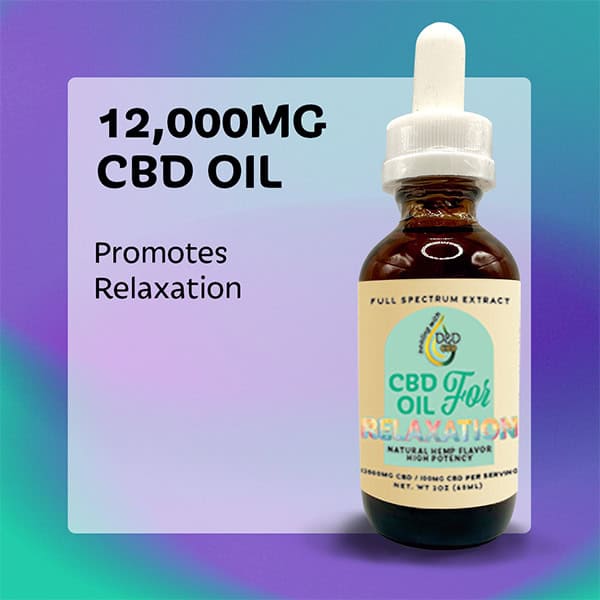
CBD oil drops — taken under the tongue and held for 60 to 90 seconds before swallowing — absorb faster than any edible format. Most people feel the effects within 15 to 45 minutes. For someone managing widespread arthritis or systemic inflammation, this kind of whole-body relief is often what they need. It’s also the easiest format to adjust for dosing, since you can increase or decrease by small amounts until you find what works for your body.
Gummies are the most familiar format and the easiest to work into a daily routine — you take one with your morning coffee and move on with your day. The tradeoff is that digestion slows absorption, so effects typically take 45 minutes to two hours to arrive. For chronic, lower-grade pain that you’re managing throughout the day, that delayed onset isn’t necessarily a problem. For someone who wakes up with severe morning stiffness — hands that won’t fully open, hips that need 20 minutes to loosen up — an oil drop before bed or first thing in the morning will serve you better.
Topical salves work directly at the site of pain. You apply them to a specific joint or muscle, and the CBD absorbs through the skin into the surrounding tissue. They don’t enter the bloodstream in any meaningful way, which means they don’t produce systemic effects — but for targeted knee, shoulder, or wrist pain, a quality salve can be genuinely effective and fast-acting. For Nassau County residents who spend long hours commuting on the Long Island Rail Road — sitting in the same position for 45 to 90 minutes each way — lower back and hip pain are occupational hazards. A topical applied before or after a commute is a practical, discreet option that doesn’t require any lifestyle disruption.
What Makes the CBD Patch Different — and Who It’s Actually For
Transdermal CBD patches are the least talked-about format, and in our experience, they’re often the most underestimated. Unlike a topical salve that sits on the skin’s surface, a patch delivers CBD steadily through the skin and into the bloodstream over several hours — producing sustained, consistent relief without the peaks and valleys that come with oral formats.
For someone managing chronic pain throughout a full day — whether that’s a Nassau County professional who needs to stay functional at work, a retiree who wants to stay active without flare-ups interrupting their afternoon, or a caregiver managing their own stress-related physical tension — the patch offers something the other formats don’t: set-it-and-forget-it consistency. You put it on in the morning and it works quietly in the background.
We carry the Ameo Entune CBD Patch, and the feedback we’ve received on it has been some of the most specific and meaningful we’ve heard. One of our customers described regaining the ability to use the elliptical with full arm movement — something she hadn’t been able to do before because of heel pain. She’d tried other things. The patch was what actually worked. Her words: spending $100 on the patches is worthwhile to improve her quality of life. That’s a specific, measurable change in what her body could do.
The patch format also suits people who don’t want to think about dosing schedules or remember to take something multiple times a day. If your daily routine is already full — and most people’s are — a format that handles itself is a meaningful advantage. For those who use CBD consistently, our subscription pricing brings the cost down by 10%, which matters when you’re treating something chronic rather than occasional.
Finding CBD That Works for Chronic Pain — Without the Guesswork
Chronic pain is relentless, and the last thing you need is another product that doesn’t deliver. When CBD works — and the research shows clearly that it can — it’s usually because someone took the time to match the right format to the right person and the right pain.
If you’re in Nassau County and you’ve been managing arthritis, joint pain, or daily inflammation without finding something that actually fits your life, that’s the conversation worth having. We’re D&D CBD, Inc., family-owned and operating out of East Northport. Every question gets a real response, every product comes with third-party lab results, and we’re not here to sell you something that doesn’t fit. Reach out — we’re easy to find and genuinely happy to help you figure out where to start.