
If you’ve tried CBD for arthritis pain and felt nothing, you’re not imagining things — and you’re not alone. A lot of people try it, get underwhelmed, and write the whole category off. But here’s the part most product pages won’t tell you: the type of CBD you used may have been the problem, not CBD itself.
The difference between full-spectrum, broad-spectrum, and isolate isn’t just a label on a bottle. It affects how the product works in your body, and there’s now clinical evidence to back that up. This page walks you through what the research actually shows, what to look for in a product, and why the format you use matters just as much as the type.
How CBD Works for Arthritis: What the Research Shows
Your body has an endocannabinoid system — a network of receptors that helps regulate pain, inflammation, and immune response. CB2 receptors, which are particularly concentrated in immune tissue and joints, are thought to be the main target when CBD is used for conditions like arthritis. When inflammation flares in a joint, those receptors become more active, and CBD appears to interact with that process in ways that may help dial it down.
The Arthritis Foundation has polled its members on CBD use, and the numbers are striking: 29% of respondents reported currently using a CBD product for their arthritis, and nearly 80% had used it, were using it, or were seriously considering it. Of those using it, most reported improvements in physical function, sleep, and overall well-being. That’s not a fringe trend — that’s a significant portion of the arthritis community actively turning to CBD and finding it worth their time.
CBD Arthritis Oil: How Tinctures Work and When They Make Sense
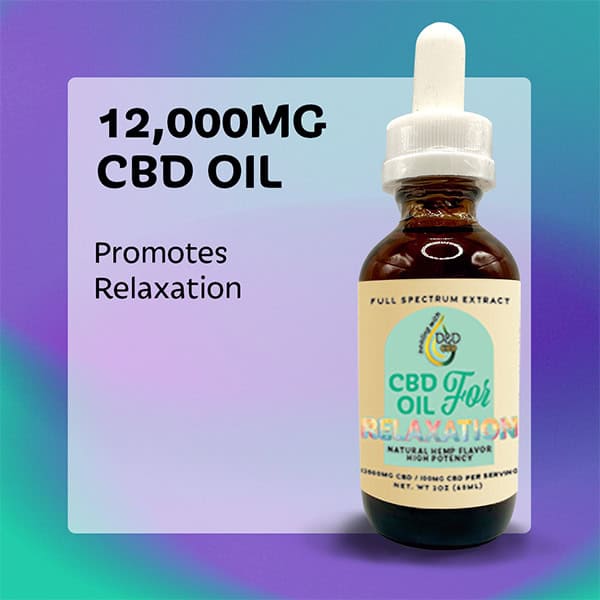
CBD oil — sometimes called a tincture — is one of the most common formats people reach for when managing arthritis pain. You take it sublingually, meaning you hold it under your tongue for 60 to 90 seconds before swallowing. That method allows CBD to absorb directly into the bloodstream through the tissue under your tongue, which is generally faster than waiting for a capsule or gummy to move through your digestive system.
For arthritis, this matters because timing can be part of managing a flare. If your hands stiffen up in the morning or your knees ache after a walk, having something that absorbs relatively quickly gives you more control over when relief might kick in.
One thing worth knowing: oral CBD bioavailability — meaning how much of what you take actually reaches your bloodstream — is estimated at around 6 to 19% under standard conditions. That’s not a knock on the format; it’s just the nature of how the body processes compounds taken orally. It does mean that the concentration of the oil matters, and that dosing isn’t always as straightforward as it looks on the label.
For a lot of people with arthritis, CBD oil works best as part of a broader approach — not as a single fix, but as one consistent piece of a daily routine. One of our customers described it this way after incorporating it into her daily life: it helped calm her mind before bed, eased aches and pains from her active lifestyle, and became an essential part of maintaining her balance. That’s a realistic picture of what CBD oil tends to do well — not dramatic overnight relief, but steady, cumulative support.
If you’re comparing products, look for the milligram count per serving, not just per bottle. A bottle that says “1000mg CBD” sounds impressive until you realize each serving is only 8mg. Transparency about per-serving dosage is one of the first things that separates a quality product from a marketing exercise.
Why Isolate CBD May Not Be the Right Choice for Arthritis Pain
This is the part most CBD pages skip over — and it’s probably the most important thing to understand if you’ve tried CBD before and felt nothing.
CBD isolate is exactly what it sounds like: pure CBD, with every other compound from the hemp plant removed. No other cannabinoids, no terpenes, no trace THC. On paper, it sounds like the logical choice — more concentrated, more controlled, nothing extra. In practice, for arthritis specifically, the clinical data tells a different story.
A study on patients with osteoarthritis-induced knee pain tested 600 milligrams per day of isolated CBD over eight weeks. At that dose — which is substantially higher than what most products on the market contain — the isolate produced no significant improvement compared to placebo. That’s not a small, obscure finding. It’s a meaningful signal that isolate CBD, even at high doses, may simply not be the right tool for joint pain.
Compare that to the CANOA trial, a double-blind randomized controlled trial published in Frontiers in Pharmacology in 2025, which evaluated CBD-rich cannabis oil for knee osteoarthritis. The researchers deliberately chose a full-spectrum formulation over isolate, citing the possible entourage effect — the idea that cannabinoids, terpenes, and other compounds from the hemp plant work better together than any single compound does alone. The trial used a much lower dose of 45 milligrams per day and still anticipated better results precisely because of that combined-compound approach.
The entourage effect isn’t new as a concept, but clinical evidence supporting it has been limited — until recently. Researchers from Drexel University and Johns Hopkins University conducted what’s described as one of the first clinical studies to demonstrate that cannabinoids combined with terpenes produced statistically significant improvements compared to cannabinoids alone. That’s a meaningful shift from theory to evidence.
So if you tried CBD for your arthritis and it didn’t work, the honest question to ask is: was it full-spectrum, or was it isolate? Because those are not the same product, and the research increasingly suggests they don’t perform the same way for joint pain.
Best CBD for Rheumatoid Arthritis: Understanding Your Condition Matters
Osteoarthritis and rheumatoid arthritis are different conditions, and that distinction matters when you’re choosing a CBD product. Osteoarthritis is mechanical — it’s the wear and tear on cartilage over time, common in knees, hips, and hands. Rheumatoid arthritis is autoimmune — your immune system attacks the lining of your joints, causing inflammation that can affect multiple joints at once and involves systemic immune dysfunction, not just localized wear.
For rheumatoid arthritis, the immune-modulating properties of CBD may be particularly relevant. A 2025 study found that a high-CBD extract reduced inflammation and helped regulate immune function in cell and animal models, highlighting possible benefits for people with RA. That’s early-stage research, but it’s directionally consistent with why people with autoimmune-driven arthritis are increasingly exploring full-spectrum CBD as a complement to their existing care.
Full-Spectrum vs Broad-Spectrum CBD for Rheumatoid Arthritis
The full-spectrum vs. broad-spectrum question comes up a lot, and it’s worth answering clearly. Full-spectrum CBD contains all the naturally occurring compounds in the hemp plant — including trace amounts of THC (at or below the federally legal limit of 0.3%). Broad-spectrum CBD is similar, but the THC has been removed. CBD isolate, as we’ve covered, is pure CBD with everything else stripped away.
For rheumatoid arthritis, the current thinking favors full-spectrum formulations because of the entourage effect — the synergy between cannabinoids, terpenes, and other plant compounds. THC, even at trace levels, binds to CB1 and CB2 receptors in joint tissue, and that interaction may contribute to the anti-inflammatory effect in ways that broad-spectrum or isolate products can’t fully replicate.
That said, broad-spectrum is a reasonable middle ground for people who are concerned about THC — whether because of drug testing, personal preference, or medication interactions. It still contains a range of cannabinoids and terpenes, which means you’re getting more of the plant’s natural complexity than you would with isolate. It’s not the same as full-spectrum, but it’s meaningfully different from isolate, and for some people it may be the right fit.
What broad-spectrum won’t do is give you the complete entourage effect that full-spectrum can. If you’re managing a condition like rheumatoid arthritis, where systemic inflammation is the core issue, that difference could matter. The research increasingly points toward full-spectrum as the formulation most worth exploring for serious joint conditions — not because it’s the most popular option, but because it’s the one clinical researchers themselves are choosing to study.
One more thing worth saying plainly: CBD is not a replacement for your rheumatologist or your prescribed medications. It’s a complement. If you’re on immunosuppressants, anticoagulants, or other medications, CBD can interact with those drugs, and that’s a conversation to have with your doctor before you start. We always encourage people to loop in their medical provider — not because we’re covering ourselves legally, but because it’s genuinely the right approach.
CBD Delivery Formats for Arthritis: Why Nassau County Winters Matter
If you live in Nassau County, NY, you already know what happens to your joints in November. The cold, damp weather that settles in across Long Island from fall through early spring is a well-documented trigger for arthritis flares — particularly in the hands, knees, and hips. It’s not in your head. Cold temperatures cause muscles to tighten, blood vessels to constrict, and synovial fluid in the joints to thicken, all of which can amplify pain and stiffness.
That seasonal reality makes the question of delivery format more than academic. If your arthritis pain follows the weather, you need something consistent — not just a product you reach for when things get bad, but a format that fits into your daily routine without a lot of friction.
CBD oil is flexible and relatively fast-acting. Gummies are convenient and easy to dose consistently. Topical salves work well for localized pain — applying directly to a sore knee or stiff fingers can provide targeted relief, and a 2024 open-label trial on CBD gel for hand osteoarthritis showed a 30% reduction in pain with consistent topical use.
Then there’s the transdermal patch — which works differently from all of the above. A patch like the Ameo Entune CBD Patch, which we carry, delivers CBD continuously through the skin over an extended period. It bypasses the digestive system entirely, which addresses the bioavailability problem that comes with oral formats. And because it’s applied directly to or near the affected area, it provides localized, sustained-release support throughout the day without requiring you to remember a second or third dose.
One of our customers — a woman dealing with heel pain that had been limiting her workouts — put it simply: after using the patch, she was able to use the elliptical with full arm movement for the first time in a long time, something she’d had to modify around before. She said spending $100 on the patches was worthwhile to improve her quality of life, and that it “speaks loudly especially when there’s no income.” That’s the kind of honest, real-world feedback that tells you more than a product description ever could.
We offer free local delivery throughout Nassau County, NY, which means if you’re in Massapequa, Hempstead, Garden City, or anywhere else across the county, you don’t need to make a trip to get started. And if you want to talk through which format makes the most sense for your specific situation, you can reach us directly — no chatbots, no automated responses, just a real conversation with someone who knows the products.
How to Choose the Best CBD for Arthritis Pain — and What to Do Next
Here’s the short version: if you’ve tried CBD for arthritis and it didn’t work, the most likely explanation isn’t that CBD doesn’t work — it’s that you were using isolate, or a low-quality product without verified contents, or a format that wasn’t suited to your specific type of pain. Full-spectrum CBD, third-party lab tested and sourced from a licensed retailer, is what the research points toward for joint conditions. That’s not a sales pitch — it’s what the clinical data actually says.
Look for a Certificate of Analysis before you buy anything. If a brand won’t show you one, move on. Check that the product is licensed in New York State, that the CBD content is listed per serving rather than just per bottle, and that there’s a real person behind the brand you can ask questions.
That last part matters more than people realize. If you’re in Nassau County, NY and you want to talk through your options — whether that’s oil, gummies, a topical, or a patch — D&D CBD, Inc. is a family-owned, locally rooted business that will give you a straight answer. No pressure, no jargon, no runaround.
—
**FAQs**
**Is hemp oil the same as CBD oil for arthritis pain?** No, and this confusion trips a lot of people up. Hemp seed oil — the kind you find in grocery stores or health food shops — is pressed from hemp seeds and contains no CBD. It has nutritional value, but it won’t do anything for arthritis pain. Hemp-derived CBD oil is extracted from the flowers and leaves of the hemp plant, where cannabidiol is actually concentrated. If you tried “hemp oil” from a supermarket shelf and felt nothing, you likely never tried CBD at all. Always check the label for a milligram count of CBD per serving — that’s how you know what you’re actually getting.
**Is CBD legal to buy in Nassau County, NY?** Yes. Hemp-derived CBD products containing 0.3% THC or less are federally legal under the 2018 Farm Bill. In New York State, hemp CBD retailers and manufacturers are also required to hold licenses through the Office of Cannabis Management (OCM). We hold two active OCM licenses — OCM-HMPD-24-01160 and OCM-HMPR-26-13111-001 — which means we operate in full compliance with New York State hemp regulations. Buying from a licensed retailer in Nassau County, NY matters because it means the products you’re purchasing have met state-level standards, not just whatever a brand decides to put on its own label.
**How long does CBD take to work for arthritis pain?** It varies by person and by format. Sublingual CBD oil typically absorbs faster than gummies because it enters the bloodstream directly through the tissue under your tongue rather than moving through the digestive system. Topicals and patches work locally and may provide more immediate localized relief. Most people who report consistent benefits from CBD describe a cumulative effect — meaning it tends to work better with regular use over days or weeks than as a one-time dose. If you’ve tried CBD once or twice and felt nothing, that’s not necessarily the full picture.
**Will CBD show up on a drug test?** Full-spectrum CBD contains trace amounts of THC (at or below 0.3%), and while that level is unlikely to trigger a positive result, it cannot be guaranteed. If drug testing is a concern for you, broad-spectrum CBD — which contains multiple cannabinoids and terpenes but has the THC removed — is a safer option. CBD isolate is THC-free as well, though as covered above, isolate may be less effective for arthritis specifically. This is worth discussing with us directly so we can point you toward the right product for your situation.