
You took melatonin. Maybe it worked for a while. Then it stopped, or you woke up feeling like you hadn’t slept at all—foggy, slow, dragging through the morning. That experience has a name in the wellness world: the melatonin hangover. And it’s exactly why so many people are searching for something different. The good news is that melatonin is far from the only natural option.
There are sleep formula supplements built on entirely different science, and some of them are genuinely better suited to the kind of sleep problems that keep Nassau County, NY residents staring at the ceiling at 3 AM. We’ve spent years helping people in our community find what actually works—and it’s rarely the same answer twice.
Why Melatonin Doesn’t Work for Everyone
Melatonin is a hormone your body already produces. Taking it as a supplement sends a signal that it’s time to wind down—it’s most useful for resetting your clock after a time zone change or a disrupted schedule. What it isn’t designed to do is keep you asleep, calm your nervous system, or address the physical discomfort that wakes you up at 2 AM.
Johns Hopkins Medicine has noted that because melatonin supplements are unregulated by the FDA, dosages and ingredients can vary significantly from one product to the next—which means you may not even be getting what the label says. The other issue is tolerance. Melatonin can lose effectiveness over time, often pushing people toward higher and higher doses without meaningfully better sleep.
If you’ve been down that road, it makes sense that you’re looking for something more reliable.
What Makes Someone a Good Candidate for Melatonin-Free Sleep Support?
Here’s a question worth asking: what is actually disrupting your sleep? If the honest answer is stress, a racing mind, chronic pain, or inflammation—melatonin isn’t targeting any of those things. It’s a timing signal, not a calming agent.
For a lot of people, especially those with demanding jobs or long commutes, the real problem is that they can’t decompress. The body is exhausted but the brain won’t stop. Nassau County, NY has one of the longest average commute times in the state—around 36 minutes each way, and that’s just the drive. For residents who take the LIRR into the city, the day starts early and ends late.
By the time you’re home, fed, and in bed, your nervous system is still running. Melatonin doesn’t help with that. It just tells your brain it’s dark outside.
This is where cannabinoid-based sleep support works differently. CBD interacts with the body’s endocannabinoid system, which plays a role in regulating stress response, pain perception, and mood—all of the underlying factors that can make sleep feel impossible regardless of what time you took a supplement. CBN, a separate cannabinoid found in hemp, is increasingly recognized as one of the most sedative compounds in the plant.
Unlike melatonin, it doesn’t just signal sleep onset—it supports deeper, more sustained rest throughout the night. That’s a meaningful distinction for anyone who has no trouble falling asleep but wakes up at 3 AM and can’t get back down. The combination of CBD and CBN—particularly in a full-spectrum formula that also includes CBG—creates what’s known as the entourage effect: the cannabinoids work together synergistically, producing a more complete effect than any single compound alone.
This is the science behind why a well-formulated hemp sleep product can outperform a basic melatonin gummy for people dealing with chronic stress, pain, or anxiety-driven sleeplessness.
Natural Remedies to Stay Asleep (Not Just Fall Asleep)
Most sleep supplement marketing is built around one problem: falling asleep. But staying asleep is a separate issue, and it’s one that a significant portion of sleep-disrupted adults struggle with more than the initial drift-off.
If you’re waking up in the middle of the night—mind suddenly alert, replaying tomorrow’s to-do list—that’s a sleep maintenance problem, and it needs a different approach. Among all natural sleep remedies, the ones that address sleep maintenance tend to share a common thread: they work on the nervous system and the body’s stress response, not just the circadian clock.
Magnesium glycinate supports muscle relaxation and has been linked to reduced nighttime waking. L-theanine, an amino acid found in green tea, promotes calm without sedation. Ashwagandha is an adaptogen that helps regulate cortisol, the stress hormone that tends to spike in the early morning hours and pull people out of deep sleep. Passionflower and valerian root have long histories of use for anxiety-related sleep disruption.
CBD and CBN fit into this same category—they address the physiological reasons sleep gets interrupted, not just the timing of it. And unlike some herbal options, a well-sourced hemp product comes with verifiable third-party lab testing, so you actually know what you’re taking and in what amounts. That transparency matters, especially when you’ve already tried products that didn’t deliver.
One format worth knowing about: the transdermal CBD patch. Unlike an oil or gummy that metabolizes within a few hours, a 24-hour patch delivers cannabinoids continuously through the skin. For people who wake up in the middle of the night, this means the support is still active—it doesn’t wear off at 2 AM because you took it at 10 PM.
We carry the Ameo Entune patch, which is described as the first and only 24-hour clinical-grade CBD patch on the market. For sleep maintenance specifically, that difference is real.
What to Actually Look for in a Natural Sleep Supplement
The supplement aisle—online or in-store—is crowded with products that make big promises. Knowing what separates a quality sleep formula supplement from a generic capsule with a calming label comes down to a few specific things.
Ingredient sourcing matters. Cannabinoid ratios matter. And perhaps most importantly, third-party lab testing with publicly available Certificates of Analysis matters—because without it, you’re taking the brand’s word on what’s actually in the product. The FDA does not regulate dietary supplements the way it regulates pharmaceuticals. That means the burden of proof falls on the brand, not the regulator.
A COA from an accredited independent lab tells you the actual cannabinoid content, confirms the absence of pesticides and heavy metals, and verifies that THC levels are within the legal limit of 0.3%. If a brand doesn’t publish its COAs, that’s reason enough to look elsewhere.
Is CBD Legal and Non-Intoxicating? What Nassau County, NY Residents Should Know
This is one of the most common questions we hear, and it’s a fair one. Hemp-derived CBD is federally legal under the 2018 Farm Bill, provided it contains 0.3% THC or less. In New York State, hemp retailers are licensed through the Office of Cannabis Management—we hold licenses OCM-HMPD-24-01160 and OCM-HMPR-26-13111-001, which means we’ve passed regulatory scrutiny and operate in full legal compliance.
As for the intoxication question: no, CBD and CBN will not get you high. They are non-psychoactive compounds. Our entire product line is built on what we call the healthy side of CBD—no smokables, no flower, no THC-driven effects. What you get is the therapeutic benefit of hemp-derived cannabinoids in formats designed for wellness: oils, gummies, topical salves, and transdermal patches.
For Nassau County, NY residents who are curious about cannabinoid sleep support but hesitant because of the cannabis association, that distinction is worth stating plainly. We also want to be transparent about one thing: CBD can interact with certain medications, including blood thinners and some antidepressants.
If you’re managing a health condition or taking prescription medications, it’s worth a conversation with your doctor before adding a cannabinoid supplement to your routine. We’re not a pharmaceutical company, and we don’t pretend to be. What we are is a family-owned business that takes product quality seriously, publishes our lab results, and is available to answer real questions from real people—not a chatbot.
Our products are rated 5.00 out of 5 stars across our featured line, and every one of our 52-plus Google reviews has a personal response from the owner. That’s not a customer service policy—it’s just how we operate.
How to Choose Between CBD Oil, Gummies, and Patches for Sleep
The format you choose matters more than most people realize, and it often comes down to your specific sleep pattern. If your primary issue is falling asleep, a CBD/CBN tincture taken sublingually (under the tongue) about 30 minutes before bed tends to work well—absorption is faster than a gummy, and the onset is more predictable.
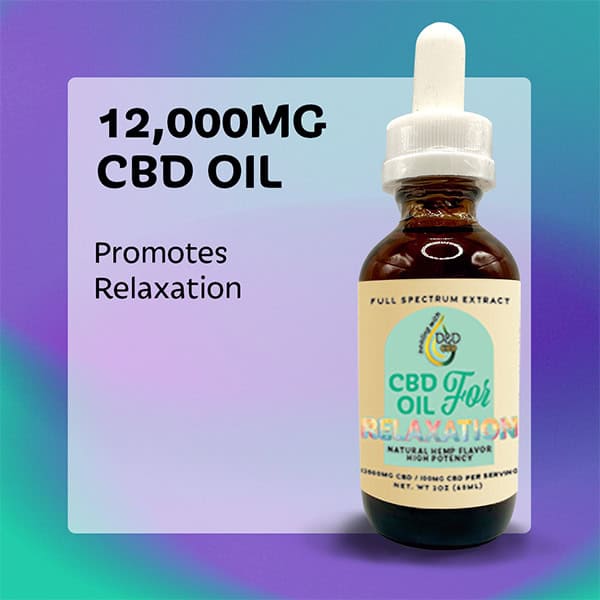
Our CBD oil drops are available at $100 standard or $90 per month on subscription, which also ensures you don’t run out mid-week and lose the consistency that makes these products work. Gummies are a good option if you prefer something simple and pre-dosed. They take a little longer to kick in since they go through the digestive system, but many people find the effect lasts longer as a result.
For sleep onset, that slower release can actually be an advantage—you’re not hitting peak effect before you’ve even gotten into bed. The patch is the most distinct option, and the one we’d recommend most strongly for sleep maintenance. Because it delivers cannabinoids transdermally over 24 hours, you don’t have to time it perfectly, and you don’t have to worry about it wearing off in the middle of the night.
Customers who’ve used the Ameo Entune patch—including those who were previously using the discontinued Isagenix Ameo patch and spent months searching for a replacement—describe it as irreplaceable. One customer put it plainly: “No other product has the combination of CBD and essential oils on the market, and I really believe that combo is the gamechanger.”
If you’re not sure which format fits your situation, we offer free local delivery to Nassau County, NY and are available by phone at (631) 305-7072. We’re a real family business based in East Northport, and we’d rather answer your questions before you buy than have you guess.
Finding the Right Natural Sleep Supplement Without Melatonin
Melatonin has its place—jet lag, shift changes, the occasional disrupted night. But for the kind of sleep problems that come from stress, pain, anxiety, and the cumulative weight of a demanding life, it’s not really built for the job.
The good news is that the category of all natural sleep remedies has expanded significantly, and there are well-formulated, transparently sourced options that address what melatonin doesn’t. Whether you’re drawn to CBD oil, a CBN-forward tincture, or a 24-hour transdermal patch, the most important thing is choosing a product you can verify—one with published lab results, a real company behind it, and people you can actually talk to.
That’s what we’ve built at D&D CBD, Inc., and it’s what we stand behind every time someone from Nassau County, NY reaches out with a question about their sleep. If you’re ready to try something that works differently, we’re here.