You’ve probably tried melatonin. Maybe it helped you fall asleep, but you woke up at 3am anyway — or dragged through the next morning feeling foggy. That’s not a personal failure. It’s a sign that you were using a tool designed for one problem when you were dealing with something more layered. Sleep issues rarely have a single cause, and most over-the-counter options aren’t built to address that complexity. This guide walks through what the best natural sleeping pills actually contain, what the research says about each, and how to figure out which one fits your situation — without the guesswork.
Top Sleep Supplements Worth Knowing About
The natural sleep supplement market has expanded well beyond melatonin, and that’s genuinely good news for people who’ve hit a wall with it. Today’s top sleep supplements draw from a wider toolkit — cannabinoids, adaptogens, amino acids, and botanicals — each working through different mechanisms to address different parts of the sleep problem.
Understanding what’s in a supplement, and why, is the fastest way to stop buying things that don’t work for you. The difference between a product that helps you fall asleep and one that helps you stay asleep is real, and it comes down to ingredients.
What Do the Most Effective Natural Sleep Ingredients Actually Do?
Melatonin is a hormone your body produces naturally — roughly 0.1 to 0.3 milligrams per night. Most supplements contain 1 to 10 milligrams, which is why some people feel groggy or notice diminishing returns over time. It’s most useful for resetting your body clock — jet lag, shift work, irregular schedules — but it doesn’t do much for the “wired but tired” feeling that keeps a lot of people staring at the ceiling.
Valerian root and passionflower work differently. They interact with GABA receptors in the brain, the same pathway that prescription sleep medications target, but without the dependency risk. A 2024 study found that people who took passionflower extract for two weeks showed significant improvements in sleep quality compared to a placebo. That’s meaningful, not just marketing.
Magnesium — particularly in the glycinate form — supports muscle relaxation and nervous system regulation. L-theanine, an amino acid found in green tea, promotes calm without sedation. Neither will knock you out, but both can take the edge off the kind of low-grade tension that makes it hard to wind down.
CBD and CBN are where things get interesting for a lot of people who’ve exhausted the standard options. CBD interacts with the endocannabinoid system, which plays a role in regulating sleep cycles, stress response, and inflammation. A review published in European Psychiatry found that medium to high doses of CBD increased REM sleep latency, and — importantly — found no evidence of withdrawal syndrome when people stopped taking it. That last part matters enormously if dependency is something you’re worried about.
CBN is a newer cannabinoid getting serious research attention. A 2024 randomized trial published in Experimental and Clinical Psychopharmacology found it may reduce the time it takes to fall asleep. It’s not in every product yet, but it’s worth looking for as the research continues to build.
The most effective natural sleep supplements tend to combine several of these ingredients rather than relying on one. If you’ve only ever tried single-ingredient melatonin, you likely haven’t seen what a well-formulated, multi-ingredient approach can do.
All Natural Sleep Supplement: What That Label Should Actually Mean
“All natural” is one of those phrases that sounds reassuring but doesn’t tell you much on its own. It’s not a regulated term. A product can call itself all natural and still be underdosed, mislabeled, or contaminated — and in the supplement industry, that happens more than most people realize.
What actually matters is third-party testing. A reputable all natural sleep supplement will have a Certificate of Analysis — a COA — from an independent lab, not the manufacturer’s own facility. That document tells you what’s in the product, in what amounts, and whether it contains any contaminants like heavy metals, pesticides, or harmful bacteria. If a brand doesn’t publish COAs, that’s a red flag worth taking seriously.
The extraction method matters for CBD products specifically. Broad-spectrum CBD contains multiple cannabinoids and terpenes but is THC-free — meaning no psychoactive effects and minimal risk of showing up on a drug test. Full-spectrum contains trace amounts of THC (0.3% or less under federal law), which isn’t enough to get you high but is worth knowing if that’s a concern for you. CBD isolate is pure CBD with no other cannabinoids — it works, but you lose the combined effect of multiple compounds working together, sometimes called the entourage effect.
Ingredient transparency is the other piece. A quality product discloses where the hemp was sourced, how it was extracted, what else is in the formula, and why. Vague labels with proprietary blends that don’t break out individual doses are a sign that the brand isn’t confident in what they’ve put together.
When you’re comparing options in Nassau County, NY — whether online or through a local source — these are the questions worth asking before you buy. The product that checks all these boxes costs more than the melatonin gummies at a big-box store, but it’s also doing something fundamentally different.
Safe Natural Sleep Aid: What Non-Habit-Forming Actually Looks Like
The fear of dependency is one of the most common reasons people avoid prescription sleep medications — and it’s a legitimate one. Benzodiazepines and Z-drugs like Ambien work, but they carry real risks of tolerance, rebound insomnia, and withdrawal. That fear is also what drives a lot of people toward natural options in the first place.
The good news is that the non-dependency concern largely doesn’t apply to the ingredients covered here. CBD has no documented withdrawal syndrome. Valerian, passionflower, magnesium, and L-theanine are not habit-forming. That doesn’t mean you should take anything carelessly, but it does mean the risk profile is genuinely different from pharmaceutical sleep aids.
Does CBD for Sleep Actually Work — or Is It Just Hype?
It’s a fair question, especially if you’ve watched a lot of wellness trends come and go. The honest answer is that the research is still building, but what exists is more promising than most people expect.
The European Psychiatry review mentioned earlier found real effects on sleep architecture. A 2023 study published in Exploration of Medicine found that people using cannabis-derived sleep aids reported waking up feeling more refreshed, more focused, and better able to function — with fewer headaches and less nausea — compared to those using conventional sleep aids. That’s not a small thing if you’ve spent years dreading your alarm.
CBD works best for sleep when the underlying issue involves anxiety, racing thoughts, or physical discomfort — the “wired but tired” pattern that’s so common among people with demanding schedules. It doesn’t sedate you the way a pharmaceutical does. What it tends to do is reduce the noise that keeps you from relaxing into sleep naturally.
Format matters too. A CBD oil tincture taken under the tongue absorbs faster and is better suited for people who struggle to fall asleep. A gummy takes longer to kick in but tends to have a longer window of effect — better for people who fall asleep fine but wake up in the middle of the night. A transdermal CBD patch delivers a slow, sustained release over several hours, which is particularly useful for sleep maintenance issues. These aren’t interchangeable, and matching the format to your specific sleep pattern makes a real difference in results.
For Nassau County, NY residents who commute into the city — averaging 36 minutes each way, often longer for those taking the LIRR into Manhattan — the cumulative stress load is real and documented. Chronic commuter stress elevates cortisol, disrupts sleep architecture, and creates exactly the kind of hyperarousal that CBD addresses well. That’s not a coincidence. It’s why this category has grown so significantly in communities like Nassau County.
Deep Sleep Herbal Supplement: What to Look for If You Wake Up Tired
Waking up tired after a full night in bed is one of the more frustrating sleep problems because it doesn’t always look like insomnia from the outside. You slept. You just didn’t sleep well. That usually points to an issue with sleep quality — specifically, how much time you’re spending in deep, restorative stages — rather than sleep duration alone.
This is where a deep sleep herbal supplement approach diverges from standard melatonin use. Melatonin helps you get to sleep. It doesn’t do much for the quality of the sleep you get once you’re there. Valerian root, passionflower, and CBD each have mechanisms that interact with the nervous system in ways that support deeper, more restorative sleep rather than just faster sleep onset.
Ashwagandha is another ingredient worth mentioning here. As an adaptogen, it works by regulating the body’s cortisol response — which is the stress hormone most directly responsible for the “wired at night” phenomenon. It doesn’t create drowsiness directly, but by lowering the physiological stress response, it allows the body to shift into the parasympathetic state that deep sleep requires.
The combination of these ingredients — rather than any single one — is what tends to produce the most meaningful results for people who’ve been struggling with sleep quality for a long time. A well-formulated product will layer these mechanisms deliberately, not just throw a handful of trendy ingredients on a label.
For Nassau County, NY residents specifically, New York State has an active Office of Cannabis Management that licenses hemp retailers. If you’re buying a CBD sleep supplement locally, look for a business that holds current OCM licensing. It’s a verifiable credential that separates licensed, compliant operators from the unlicensed online sellers that flood the market. At D&D CBD, Inc., we hold active OCM licenses (OCM-HMPD-24-01160 and OCM-HMPR-26-13111-001), and every product we carry comes with a publicly available Certificate of Analysis you can review before you buy.
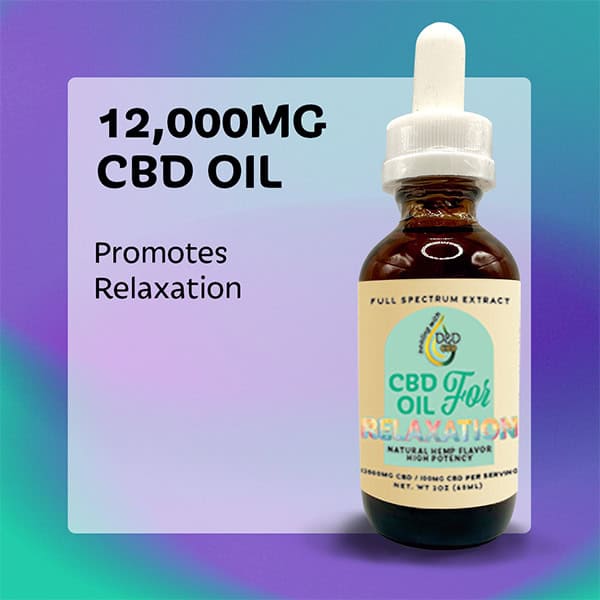
We’re based in East Northport and serve Nassau County, NY through free local delivery — no trip required. Our Broad-Spectrum Gummies are formulated specifically for relaxation and restful sleep without any THC. Our CBD oil tinctures are a strong option for people dealing with racing thoughts at bedtime. And the Ameo Entune CBD Patch — the only product on the market combining CBD with essential oils in a transdermal format — has become a go-to for customers dealing with the middle-of-the-night wake-up problem. One customer who spent three years searching for a comparable product called it “the gamechanger.” We tend to agree.
How to Find the Right Natural Sleep Aid for Your Situation
The best natural sleeping pill isn’t the most popular one — it’s the one that matches your specific sleep pattern, your lifestyle, and your standards for what goes into your body. That means looking past the marketing, asking for third-party test results, and understanding what each ingredient actually does before you commit to it.
If you’ve been cycling through options that haven’t worked, it’s worth considering whether you’ve been addressing the right part of the problem. Sleep onset, sleep maintenance, and sleep quality each respond to different approaches. Getting that match right is more than half the battle.
If you’re in Nassau County, NY and want to talk through your options with someone who actually knows this category — not a chatbot, not a call center — reach out to D&D CBD, Inc. We’ll help you figure out what fits.

