
If your knees, back, or hips seem to know when a storm is coming before your phone does, you’re not imagining it. Every October, right on cue, we hear from people describing flare-ups in joints that were manageable just weeks earlier. What changed is the season. On Long Island, where Atlantic weather systems roll through fast and barometric pressure swings can happen overnight, fall hits hard for people with arthritis, chronic pain, and old injuries. Here’s what’s actually happening — and what may help.
Why Cold Weather Makes Joint Pain Worse
The connection between fall weather and joint pain isn’t folklore. A review of 14 studies found that barometric pressure drops and increased humidity were consistently linked to more joint discomfort, while colder temperatures were associated with greater stiffness and pain. A separate survey of 200 people with osteoarthritis in the knee found that every 10-degree drop in temperature — combined with low barometric pressure — corresponded to a measurable rise in pain.
Your body is responding to real physical changes in its environment. This is especially relevant for Nassau County, NY, where the transition from humid summers to damp, cold nor’easter season happens quickly — and often without much warning.
What Barometric Pressure Actually Does to Your Joints
When barometric pressure drops — which happens before rain, storms, and cold fronts — the tissues around your joints expand slightly. That expansion puts pressure on nerves and surrounding structures that were already managing inflammation. For someone with healthy joints, it’s barely noticeable. For someone with arthritis, an old injury, or a chronic inflammatory condition like lupus, it can feel like the volume on their pain just got turned up.
Synovial fluid — the substance that lubricates your joints the way oil lubricates an engine — also changes in cold temperatures. It thickens and moves more sluggishly, making joints feel stiff and resistant, particularly first thing in the morning or after sitting for a long stretch. If you’ve ever stepped off the Long Island Rail Road after a long commute in November and felt like your lower back had locked up entirely, that’s partly why.
Reduced blood flow plays a role too. When temperatures drop, your body pulls circulation away from your extremities to protect your core. That means muscles and ligaments in your knees, hips, shoulders, and back receive less blood — and tighten up as a result. The combination of thickened synovial fluid, expanded joint tissue from pressure drops, and reduced blood flow creates a compounding effect that’s especially pronounced in people with pre-existing pain conditions.
What makes fall particularly difficult is the unpredictability. It’s not just the cold — it’s the rapid swings. A warm afternoon followed by a cold front overnight is harder on inflamed joints than a steady, cold winter day. Nassau County’s coastal geography, sitting between the Long Island Sound and the Atlantic, makes it especially exposed to these fast-moving pressure systems. People who’ve lived here for years often describe knowing a nor’easter is coming before it appears on any weather app — because their joints told them first.
Who Feels It Most — and Why Fall Is the Annual Turning Point
Not everyone experiences fall the same way. For people without chronic pain or inflammatory conditions, the season is just a change in wardrobe. But for a significant portion of Nassau County’s population — particularly adults over 45, people managing arthritis, lupus, fibromyalgia, or old sports injuries — fall is the annual turning point when manageable discomfort becomes something harder to ignore.
Arthritis is the most common culprit, but it’s far from the only one. People who’ve had surgeries, sports injuries, or repetitive strain from years of physical work often find that fall reawakens pain they’d mostly gotten under control during the warmer months. The same is true for people with inflammatory conditions like lupus, where joint pain and swelling are already part of the daily landscape — and cold, damp weather simply makes everything louder.
There’s also a behavioral layer. As temperatures drop, people move less. Outdoor walks get shorter. Exercise routines that kept muscles warm and flexible through the summer start to fade. That reduction in movement means muscles stiffen, circulation slows, and joints that were well-supported by surrounding muscle tone start to feel the difference.
Many people attribute their increased pain entirely to the weather, when in reality it’s a combination of the weather and reduced activity reinforcing each other. The good news is that understanding the mechanism — inflammation, nerve sensitivity, synovial fluid, circulation — opens the door to addressing it more directly than just waiting for spring.
How CBD for Pain Works — and What the Research Actually Shows
CBD interacts with the body’s endocannabinoid system, which plays a role in regulating pain sensation, immune response, and inflammation. It’s thought to work through multiple pathways — cannabinoid receptors, ion channels, and a compound called anandamide, which helps regulate how your body responds to pain signals. The result isn’t sedation or intoxication. It’s modulation — your body’s pain and inflammatory response being dialed back, not switched off.
A 2024 systematic review published in *Pharmaceuticals* found sufficient clinical and preclinical evidence that CBD is an effective and safe option for reducing pain, specifically citing its analgesic and anti-inflammatory properties. That’s a peer-reviewed conclusion from a body of clinical research.
CBD for Back Pain: What a 2024 Clinical Study Found
Back pain is one of the most common reasons people start researching CBD, and it’s also one of the most studied applications. A 2024 study published in the *Spine Journal* followed 319 adults with chronic low back pain over 12 weeks. Participants using full-spectrum CBD oil at 25–50mg daily reported an average 29% reduction in pain scores. The placebo group reported 14%. That’s nearly twice the improvement — without the gastrointestinal side effects that come with long-term NSAID use, and without the dependency risks associated with opioids.
For Nassau County, NY residents whose back pain is compounded by long commutes, desk work, or the physical demands of home ownership and yard work, this is meaningful. CBD’s interaction with CB2 receptors helps reduce inflammation in muscles, joints, and spinal structures — addressing the source of the pain rather than just masking the sensation. It also shows promise for neuropathic back pain, including sciatica, where nerve compression rather than simple muscle tension is driving the discomfort.
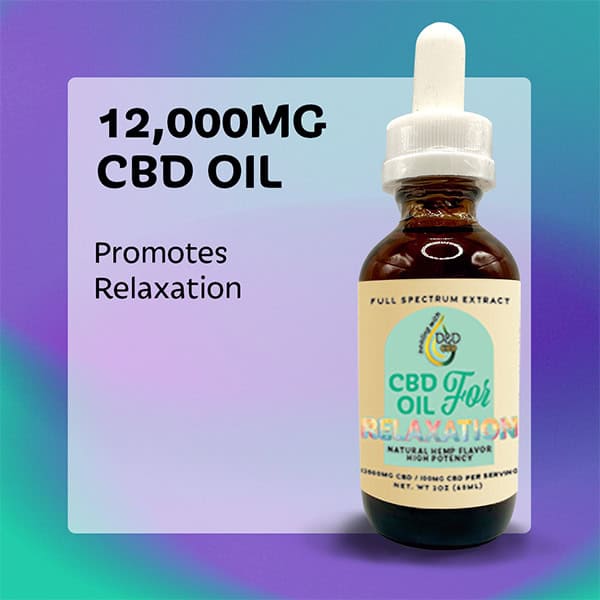
Our Full Spectrum CBD Oil and transdermal CBD Patch are both well-suited for people dealing with chronic back pain. The patch in particular — designed for 24-hour controlled release — is worth considering for anyone who needs consistent coverage throughout the day without remembering to re-dose. It’s a practical option for people who are commuting, working, or simply don’t want their pain management routine to interrupt their day.
Consistency matters. The Spine Journal results came from 12 weeks of daily use. That’s the same principle behind our subscription model — making it easier and more affordable to stay consistent, because that’s where the real results come from.
CBD for Nerve Pain and Muscle Pain: Understanding the Difference
Not all pain is the same, and CBD doesn’t address all of it through the same pathway. Understanding the difference helps you choose which format makes the most sense for you.
CBD for nerve pain, also called neuropathic pain, has a growing evidence base behind it. A 2017 review of 11 randomized controlled trials involving 1,219 patients found that CBD helped with chronic neuropathy pain in humans. More recently, a 2025 study found that a nano-formulated CBD compound relieved neuropathic pain by calming abnormal nerve activity in the brain and spinal cord — not through the typical cannabinoid receptor pathway, but by directly reducing excessive nerve signaling. For people dealing with sciatica, diabetic neuropathy, or post-surgical nerve pain, that distinction matters. It suggests CBD’s effect on nerve pain isn’t just a side effect of general relaxation — it’s a targeted mechanism.
CBD for muscle pain works somewhat differently. Muscle soreness and spasms are often tied to inflammation and tension rather than nerve dysfunction. CBD’s anti-inflammatory properties, combined with its potential effect on muscle tone, make it a reasonable option for people dealing with post-activity soreness, muscle spasms, or the general stiffness that comes from cold-weather tightening. This is where our Full Spectrum CBD Salve tends to shine — applied directly to the affected area, it allows for targeted delivery without waiting for an oil or capsule to move through your system. One of our customers who manages lupus described relief from joint pain and inflammation within 10 minutes of applying the salve. That’s not a guarantee, but it reflects what targeted topical application can do when the product is properly formulated and dosed.
Format matters. If your pain is localized — a specific knee, a tight shoulder, a spot on your lower back — a topical salve addresses it directly. If your pain is more systemic, or if you’re dealing with nerve involvement, a full-spectrum tincture or transdermal patch that delivers CBD consistently over time may be the better starting point. We’re happy to talk through which option makes the most sense for what you’re dealing with — that’s exactly the kind of conversation we have with people every day.
Finding the Right CBD for Pain Relief This Fall
Fall pain is real, it’s predictable, and it’s not something you have to just push through. The science behind why your joints flare up when the temperature drops and the pressure shifts is well-established — and so is the growing body of evidence behind CBD as a tool for managing inflammation, nerve sensitivity, and chronic pain.
What matters is using a product that’s actually what it says it is — properly dosed, third-party tested, and formulated to do the job. We take that seriously. Every product we carry comes with a publicly available Certificate of Analysis, and we hold active New York State OCM hemp licenses. No smokables, no flower, no ambiguity about what you’re putting in your body.
If you’re in Nassau County, NY and your joints are already telling you the season has changed, it’s worth having a real conversation about what might help. Reach out to D&D CBD, Inc. — we’re a family-owned business, and there’s always a real person on the other end.