If you’ve been thinking about trying CBD but keep getting stuck on the “what if it makes me feel weird?” question, you’re not alone. It’s one of the most common things we hear from people here in Nassau County, NY — and honestly, it’s a fair concern. The internet doesn’t make it easier. One article tells you CBD is completely harmless. Another lists side effects that sound genuinely alarming. Neither one tells you the whole story.
The truth is somewhere in the middle, and it’s actually pretty reassuring once you understand what’s going on. Here’s what the research says — and what it doesn’t.
What Are the Actual CBD Side Effects Worth Knowing About?
CBD does have side effects. Anyone who tells you otherwise is either uninformed or not being straight with you. But the side effects that show up in real research are a far cry from what most people imagine when they hear “side effects.”
The most commonly reported ones are dry mouth, mild drowsiness, and occasional GI discomfort — things like loose stools or an unsettled stomach, usually tied to the carrier oils in certain products rather than the CBD itself. A survey of 1,500 CBD users found that about 12% reported dry mouth as the most common adverse effect. Drowsiness showed up in roughly 15–25% of users in a 2020 meta-analysis — but almost always at doses well above what someone would take as a daily wellness supplement.
The key word in almost every piece of CBD side effect research is “dose-dependent.” That means the side effects aren’t inherent to CBD — they’re tied to how much you take.
Why Dose Matters More Than Most CBD Content Admits
Here’s the part that most CBD side effect articles skip over: the standard supplement dose for CBD — somewhere in the range of 15 to 25mg per day — is a very different thing from the clinical doses used in pharmaceutical research. Nearly all of the more significant side effects documented in studies occur at doses that are multiples of what a typical wellness user would ever take.
At supplement doses, the vast majority of people experience nothing they’d describe as a side effect at all. The ones who do typically notice mild, temporary things — a slightly dry mouth, a bit of drowsiness if they took it too close to bedtime, maybe some GI sensitivity in the first few days. These tend to resolve quickly, and they’re easy to manage by starting with a lower dose and adjusting from there.
This is worth understanding because it reframes the whole conversation. CBD isn’t a medication where you take a set amount and either tolerate it or you don’t. It’s more like any other wellness supplement — your body, your goals, and your starting dose all factor in. What works for one person at 25mg might be better for another person at 10mg.
There’s also a timing element that’s easy to overlook. If you take CBD oil or a tincture and feel a bit drowsy, that effect typically clears within four to six hours. Gummies or other edible formats tend to last a bit longer — six to eight hours — simply because they move through your digestive system rather than absorbing sublingually. Knowing this helps you plan: a sleep-focused CBN tincture taken at night is doing exactly what it’s supposed to. The same product taken at noon before a meeting is a different story.
The takeaway here is simple. Side effects from CBD at wellness doses are uncommon, mild when they occur, and manageable. The picture looks very different when you’re reading about high-dose clinical trials or pharmaceutical-grade CBD — and most of the alarming content online is drawing from exactly those sources without making that distinction clear.
The One CBD Side Effect That Actually Warrants a Conversation With Your Doctor
Most CBD side effects are dose-dependent and manageable on your own. There’s one exception, and it’s worth being direct about: drug interactions.
CBD is metabolized by a group of liver enzymes called the CYP450 system — specifically CYP3A4. This is the same pathway that processes a long list of common prescription medications, including blood thinners like warfarin, certain anti-seizure drugs, and some antidepressants. When CBD is present in your system, it can slow down how quickly your liver processes these medications, which can cause them to accumulate at higher levels than intended.
This isn’t a reason to avoid CBD if you’re on prescription medications. It’s a reason to have a quick conversation with your prescribing physician before you start. That’s not a hedge — it’s genuinely practical advice. Your doctor can look at your specific medication list and tell you whether there’s anything to watch for. Most of the time, there isn’t.
For Nassau County, NY residents managing chronic conditions — and given that the area’s adult population skews older and suburban, a lot of people here are managing something — this is probably the most important thing to take away from this entire page. Not because CBD is dangerous, but because the interaction risk exists at any dose, unlike most other CBD side effects that only appear at high doses. It’s the one area where “start low and see how you feel” isn’t the complete answer.
Everything else on the side effect list — dry mouth, drowsiness, GI discomfort, mild fatigue — is manageable without medical input. This one, if it applies to you, is worth a five-minute phone call to your doctor.
CBD Wellness Products: Why the Format You Choose Changes Everything
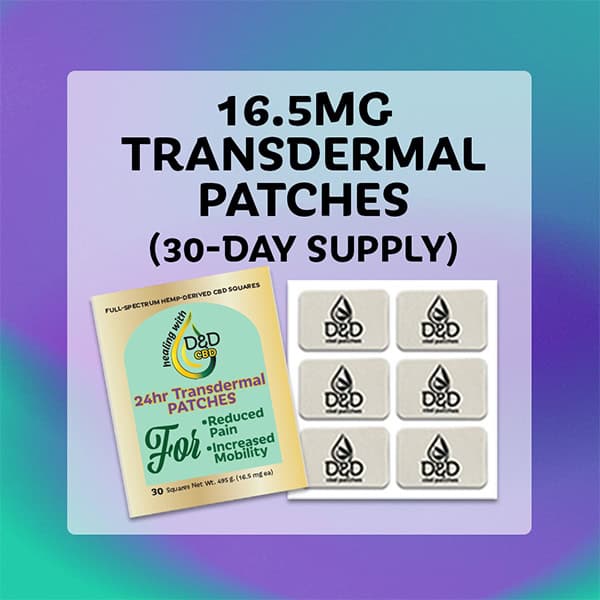
Not all CBD products carry the same side effect profile, and this is something almost no one talks about clearly. A lot of the alarming side effect content online — respiratory irritation, rapid onset dizziness, heightened exposure risks — is describing smokable and vape formats. We don’t carry those. Our product line is built entirely around wellness formats: tinctures, gummies, transdermal patches, topical salves, and pet products.
That’s not a coincidence. It’s a deliberate choice rooted in the belief that CBD belongs on the health side of the conversation, not the recreational side. And it has a direct impact on the side effect picture.
When you’re not inhaling anything, you’re not dealing with inhalation-related risks. When you’re using a properly dosed tincture or a 24-hour transdermal patch, the absorption is gradual and consistent — not a spike that can catch you off guard.
CBG Oil: What’s Different About the “Mother Cannabinoid”
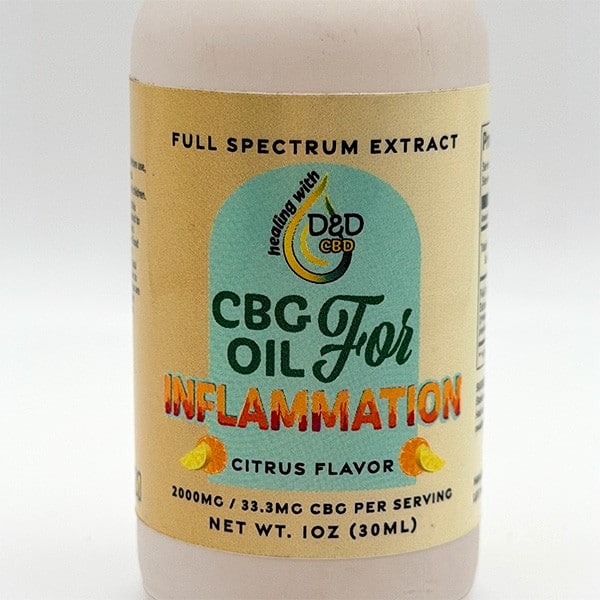
CBG — cannabigerol — is sometimes called the “mother of all cannabinoids” because it’s the precursor from which CBD, THC, and other cannabinoids develop as the hemp plant matures. It’s non-psychoactive, hemp-derived, and carries a side effect profile very similar to CBD: mild dry mouth and occasional drowsiness at higher doses, neither of which is common at standard supplement amounts.
Where CBG differs from CBD is in its primary use cases. While CBD tends to be associated with general wellness, anxiety support, and pain management, CBG is more closely linked to focus, mental clarity, and anti-inflammatory effects. Some users find it more energizing than CBD, particularly at lower doses — which makes it a better fit for daytime use than a sleep-focused product like CBN.
For someone in Nassau County, NY dealing with the kind of low-grade, chronic stress that comes with a long commute, a demanding job, and a packed schedule, CBG oil can be a useful addition to a wellness routine. It’s not a stimulant — it’s not going to make you jittery or wired. It’s more that it supports the kind of focused calm that makes the day feel more manageable.
One thing worth noting: CBG is typically available in products that combine it with CBD rather than as a standalone. That combination can actually enhance the overall effect through what’s sometimes called the entourage effect — the idea that cannabinoids work better together than in isolation. If you’re curious about whether CBG might be a better fit for your specific goals than CBD alone, that’s exactly the kind of question we’re set up to answer directly. No chatbot, no form — just a real conversation.
CBN Oil for Sleep: Is Drowsiness a Side Effect or the Whole Point?
CBN — cannabinol — is the cannabinoid most associated with sleep. It forms naturally as THC ages and oxidizes in the hemp plant, and it’s non-psychoactive despite that origin. Research on CBN is still developing, but a double-blind randomized controlled trial found that CBN reduced nighttime awakenings — which is meaningful for anyone who falls asleep fine but wakes up at 3am and can’t get back down.
Here’s where the “side effect” framing gets interesting: drowsiness is the most commonly noted effect of CBN. But when you’re taking it specifically to support sleep, drowsiness isn’t a side effect — it’s the intended outcome. This is a useful distinction to keep in mind when you’re reading general CBD side effect content. A lot of it lumps all cannabinoids together and lists drowsiness as a universal concern. Whether drowsiness is a problem or a feature depends entirely on what you’re taking, when you’re taking it, and why.
CBN’s side effect profile otherwise mirrors CBD and CBG: mild dry mouth, possible GI sensitivity at high doses, and the same drug interaction consideration via the CYP450 pathway. Nothing that puts it in a different risk category — just the same common-sense guidance around starting low, noting how you feel, and flagging it with your doctor if you’re on prescription medications.
For people in Nassau County, NY who are managing sleep disruption — and the area’s mental health data suggests a meaningful portion of the population is dealing with stress-related sleep issues — CBN is worth understanding as a targeted tool rather than a general wellness supplement. It’s not for everyone, and it’s not the right starting point for every situation. But for the specific problem of waking up in the middle of the night, it’s one of the more focused options available.
So Is CBD Actually Safe? Here’s the Honest Bottom Line
At standard wellness doses, CBD has a mild side effect profile that compares favorably to most pharmaceutical alternatives used for the same conditions. The most common effects — dry mouth, mild drowsiness — are temporary, dose-dependent, and manageable. The one area that warrants real attention is drug interactions, and that’s worth a quick check with your doctor if you’re on prescription medications.
What matters as much as the product itself is where it comes from. Third-party lab testing, publicly available Certificates of Analysis, and proper state licensing aren’t nice-to-haves in this space — they’re the baseline for knowing what you’re actually putting in your body. In a largely unregulated supplement market, those things separate a trustworthy product from a gamble.
If you’re in Nassau County, NY and you’ve been sitting on the fence about CBD, we’d genuinely welcome the conversation. D&D CBD, Inc. was built around the idea that you deserve honest answers and real transparency — not a sales pitch. Reach out and let’s figure out together whether CBD, CBG, CBN, or any combination of them makes sense for what you’re dealing with.