You’ve probably seen the shelf by now: CBD toothpaste, CBD mouthwash, and maybe a dental blog claiming CBD fights gum disease and protects your teeth. If you live in Suffolk County, NY and already use CBD, or you’re thinking about it, you want to know if any of that holds up.
Fair question. Some of the research is genuinely interesting. Some of what gets written about it goes well past what the research shows. We’re D&D CBD, Inc., a family-run hemp shop in East Northport, and we’d rather give you the straight version. Below you’ll find what the studies found, what they didn’t, and how to think about CBD, CBG and your teeth without skipping the dentist.
What Lab Studies Show About CBD And Tooth Decay
Short answer: the research is promising, but nobody has proven CBD prevents cavities in people who use it.
Tooth decay is driven by bacteria, especially one called Streptococcus mutans, which builds a sticky film on your teeth and turns sugar into acid. Researchers have been testing if cannabinoids can interfere with that process. Oral and dental diseases rank among the most common non-communicable diseases worldwide, so the interest makes sense.
Here in Suffolk County, plenty of people check with their dentist before trying anything new. We think that’s smart. “Promising but unproven” is the honest place to start.
What Do Lab Studies Say About CBD And Decay-Causing Bacteria?
Start with the study most people end up quoting. In 2022, researchers at the Hebrew University of Jerusalem’s Faculty of Dental Medicine tested CBD against S. mutans in the lab. At 7.5 micrograms per milliliter, CBD cut the metabolic activity of an established biofilm by about 80 percent. At 20 micrograms per milliliter and above, the bacteria barely bounced back 48 hours after the CBD was removed. CBD also helped block the drop in pH these bacteria cause. Below 2.5 micrograms per milliliter, it did nothing significant.
Now the part many dental blogs skip. That was a lab dish, not a mouth. The bacteria sat in a controlled setup with a measured amount of CBD touching them directly. Your mouth has saliva, food, a mix of different bacteria, and any CBD you take gets swallowed or diluted. A result in a dish tells researchers where to look next. It doesn’t tell you what a dropper of oil will do.
There is some human data. A small trial of CBD-infused lozenges found lower S. mutans levels in saliva compared with a control group, and the difference was statistically significant. The authors still described the finding as potential, and so do we. Fewer bacteria in saliva is not the same as fewer cavities over five years.
When you read “CBD kills cavity bacteria,” translate it to “CBD slowed cavity bacteria under controlled lab conditions.” That’s real and worth following. It’s also a long way from a treatment.
Do CBG And Other Minor Cannabinoids Do Anything For Oral Health?
Most people only know CBD, but the oral research reaches further. Cannabigerol, or CBG, has been studied against S. mutans by an Israeli research group. The papers report that it stops free-floating S. mutans from multiplying, changes the bacteria’s membrane properties, and shows anti-biofilm activity. Most Long Islanders know CBD. Few know CBG, which is sometimes called the mother cannabinoid.
Then there’s the mouthwash test. In 2020, the Journal of Cannabis Research published a lab comparison of CBD and CBG mouthwashes, each under 1 percent cannabinoid by weight, using dental plaque collected from 72 adults between 18 and 83. The CBD rinse averaged an 18.1 mm zone of inhibition and the CBG rinse 17.7 mm. The benchmark, 0.2 percent chlorhexidine, averaged 16.8 mm. Two common over-the-counter mouthwashes landed at about zero.
Before you toss your mouthwash, remember what that test measured. It showed how well each liquid held back bacteria from collected plaque, not how many cavities anyone avoided. The CBD and CBG rinses were also research formulations, not something you can pick up off a shelf.
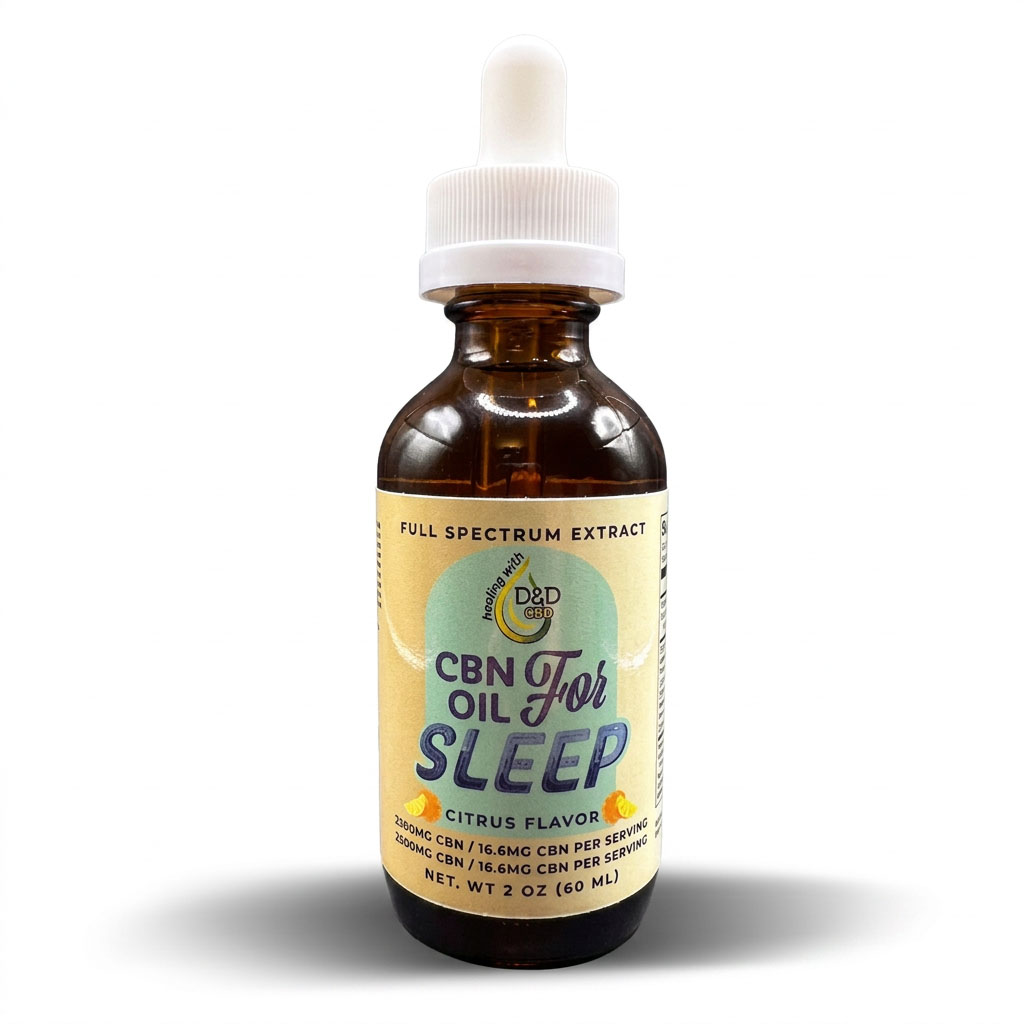
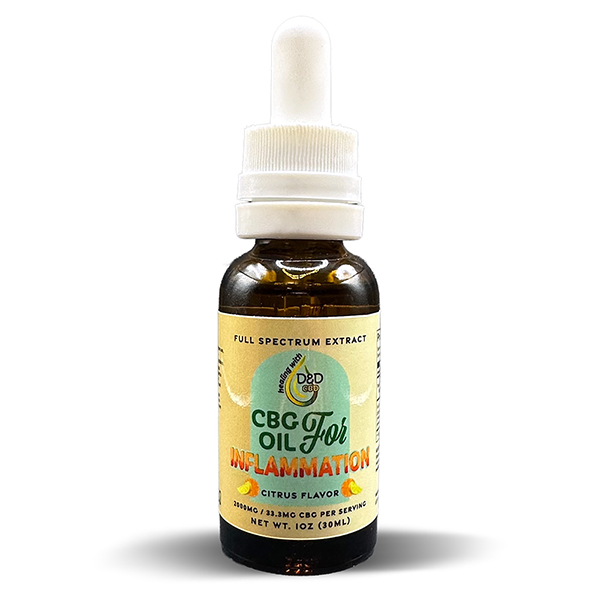
We carry CBD, CBN and CBG oils, and we’re glad this research exists. But we don’t sell a dental product, and we won’t pretend an oil is a mouthwash. What the research does tell you is that scientists are looking well beyond CBD alone.
CBD And Your Teeth: Fitting It Into Your Routine Without Cutting Corners
If you already take CBD, the more useful question may be what it’s doing around your teeth. Nothing in the research says CBD replaces brushing, flossing, fluoride or your cleaning appointment. At best it’s a possible extra, and the evidence for even that is early.
Format matters more than people expect. An oil held under your tongue is a different experience for your mouth than a gummy that sits against your teeth. The studies used set concentrations in controlled conditions, and a bottle of consumer oil wasn’t designed or tested as a dental product. Think of CBD as part of your wellness routine and your toothbrush as part of your oral health routine. They can sit side by side, but one doesn’t stand in for the other.
Do CBD Oil And CBD Gummies Hurt Your Teeth?
We haven’t come across research showing that CBD oil itself damages teeth. What we do know is that sugar feeds the same bacteria this research is aimed at. Many gummies, CBD or not, contain sugar, and they tend to stick around on your teeth. If you take gummies, read the ingredient label, brush afterward, and keep your dental visits on the calendar. That goes for ours too.
Oils are a different situation. Held under the tongue, they don’t leave a sugary coating on your molars, though it’s still smart to check the label for added sweeteners. And if the “will I feel high?” question is nagging at you, the CDC says CBD doesn’t cause a high, and our hemp-derived products contain less than 0.3 percent delta-9 THC.
Then there’s the medical side. The CDC also says using CBD isn’t risk-free and that scientists are still learning how it affects the body. The FDA has approved only one CBD product, a prescription drug for certain seizure disorders, and it warns that some CBD products carry claims nobody has proven. If you take prescription medication, check with your doctor before adding CBD to your day.
One more habit worth having: tell your dentist you use CBD. It takes ten seconds, and it’s useful information for them to have. A lot of Suffolk County families have a dentist they’ve seen for years. Bring your questions, and if you like, the lab report for your product, and let them weigh in on what makes sense for your mouth.
How Do You Choose A Trustworthy CBD Shop In Suffolk County, NY?
Suffolk County, NY has plenty of places to buy cannabis products, and they aren’t all the same thing. Some are state-licensed adult-use dispensaries that sell CBD alongside THC products. Some are smoke and vape shops. And some are small hemp wellness brands, which is what we are. We’re not a recreational dispensary.
Whoever you buy from, a few questions are fair. Can you see a third-party lab report, called a Certificate of Analysis, for the exact product in your hand? Does it show the THC level, and is it at or under 0.3 percent delta-9? New York requires CBD sellers to hold a cannabinoid hemp retail license from the Office of Cannabis Management, so ask about that too. And the label should state how many milligrams are in the bottle, because dose is what all of this research is about. We make lab results available to review for our products, and we’re glad when people ask.
We’re at 514 Larkfield Road in East Northport, NY, in the Town of Huntington. Dean and Debbie Nichol founded D&D CBD, Inc. in 2019, and their son Brandon joined as a partner in September 2024. We’ve been featured in The Northport Observer and we belong to the Huntington and Northport Chambers of Commerce. Customers in Huntington, Nesconset and nearby communities send us questions all the time, and we also offer local delivery. When you reach out, you’re talking to the family, not a call center.
What’s Next? Your Guide To CBD And Oral Health In Suffolk County
Here’s the short version. Lab research on CBD and CBG against the bacteria behind tooth decay is real and worth watching. Early human data exists, but nobody has shown that CBD prevents cavities, and nothing replaces brushing, flossing, fluoride and your dentist. Be wary of anyone who skips that caveat, including the occasional dental blog.
If you’re curious about CBD, CBG or CBN as part of your daily wellness routine, you deserve a seller who’ll tell you what’s known and what isn’t. That’s how we run D&D CBD, Inc. Ask us about our lab reports or which format fits your routine, and bring your dentist into the conversation too. Stop by our East Northport shop today to find the right wellness fit for your lifestyle.