If you’ve spent more than five minutes on a CBD website, you’ve probably hit a wall of terminology that raises more questions than it answers. Full spectrum. Broad spectrum. Isolate. Entourage effect. It starts to feel like you need a chemistry degree just to buy a wellness product.
You don’t. The difference is actually straightforward once someone explains it plainly — and once you know it, the right choice for your situation becomes obvious pretty quickly. Whether you’re dealing with chronic pain, poor sleep, daily stress, or you’re just trying to figure out what won’t get flagged on a workplace drug test, this breakdown is for you.
Full Spectrum CBD Oil: What It Is and Why It Works the Way It Does
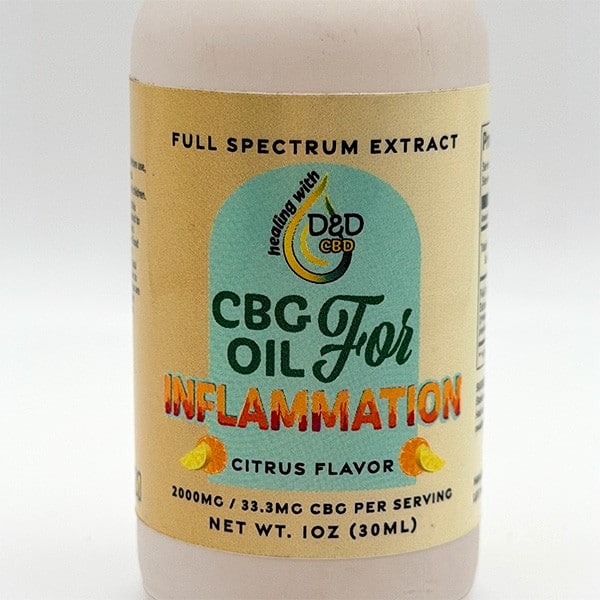
Full spectrum CBD oil contains the full range of naturally occurring compounds found in the hemp plant. That includes CBD, trace amounts of THC (no more than 0.3% by law under the 2018 Farm Bill), other minor cannabinoids like CBG and CBN, terpenes, and flavonoids. Nothing is stripped out or removed during processing.
The reason this matters is something called the entourage effect. When all of these compounds are present together, they work synergistically — each one amplifying the others in ways that isolated CBD simply can’t replicate on its own. Israeli researcher Raphael Mechoulam first proposed this theory in 1998, and the evidence supporting it has only grown since. Think of it like a full orchestra versus a single instrument. Both make music, but one fills the room.
Will Full Spectrum CBD Make You Feel High or Fail a Drug Test?
This is the question we hear most often, and it deserves a straight answer. The trace THC in a federally legal full spectrum hemp product — 0.3% or less — is not enough to produce any psychoactive effect. You will not feel high. That amount is pharmacologically insignificant when it comes to intoxication.
The concern isn’t about feeling high; it’s about drug testing. Here’s the honest truth: if you use full spectrum CBD consistently over time, THC can accumulate in your system at low levels. Most standard workplace drug tests aren’t testing for CBD — they’re testing for THC metabolites. Even at trace concentrations, regular full spectrum use carries a small but real risk of triggering a positive result, depending on the test’s sensitivity, how much you’re taking, and how frequently.
For many Nassau County residents, this is a legitimate consideration. The county’s professional workforce is substantial, and major employers like NYU Langone Hospital–Long Island in Mineola, Nassau University Medical Center in East Meadow, and North Shore University Hospital in Manhasset maintain active drug testing policies. If you work in healthcare, education, government, law enforcement, or any other field with regular testing, broad spectrum is the smarter starting point.
What full spectrum CBD is genuinely well-suited for is anyone who wants maximum therapeutic impact and doesn’t have drug testing concerns. The complete cannabinoid and terpene profile makes it the most effective option for chronic pain, inflammation, sleep disruption, and anxiety — the conditions that bring most people to CBD in the first place. One of our customers, a chronic joint pain sufferer who had seen multiple doctors without lasting relief, described it simply: “I finally felt like my old self again.”
CBD Isolate vs. Full Spectrum: Why “Purer” Doesn’t Mean “Better”
CBD isolate is the most refined form of CBD available — typically 99% pure CBD with everything else removed. No other cannabinoids, no terpenes, no flavonoids, no THC whatsoever. It sounds like the obvious choice for people who want something clean and simple, and it’s often the cheapest option on the market.
But purity and effectiveness aren’t the same thing. Without the supporting cast of compounds that make the entourage effect possible, isolated CBD tends to underperform — especially for people dealing with pain, inflammation, or sleep issues that require a more sustained response. If you’ve tried CBD before and found it did nothing for you, there’s a real chance you were using an isolate-based product without knowing it. Labels aren’t always clear, and many low-cost CBD products are isolate-based even when they don’t say so outright.
The research backs this up. Studies have consistently found that whole-plant extracts outperform isolated CBD for most therapeutic applications. According to Brightfield Group data, full spectrum and broad spectrum products now represent the majority of the CBD market, with full spectrum alone accounting for over 50% of total sales.
So if you’re weighing CBD isolate against full spectrum, the question isn’t which one is “purer.” It’s which one actually works better for what you’re trying to address. For most people managing real, ongoing health concerns, the answer is full spectrum — or broad spectrum if THC is off the table entirely.
Broad Spectrum CBD vs. Full Spectrum: The Drug-Test-Safe Middle Ground
Broad spectrum CBD sits between full spectrum and isolate. It retains the full range of cannabinoids and terpenes found in the hemp plant — including CBD, CBG, CBN, and others — but THC is removed during processing, typically to non-detectable levels. That means you still get the entourage effect. You still get the synergistic benefit of multiple compounds working together. You just don’t have THC in the equation.
For a lot of people in Nassau County, that distinction is everything. The county’s professional workforce is large and diverse, and employer drug testing is a real part of life for many residents. Broad spectrum gives you the therapeutic depth of a whole-plant product without the drug-testing risk that comes with even trace THC.
Who Should Choose Broad Spectrum CBD — and What “Non-Detectable THC” Actually Means
“Non-detectable” doesn’t mean zero in an absolute scientific sense. It means THC falls below the detection threshold of standard lab testing methods — typically below 0.01%. For the vast majority of people using broad spectrum products at normal doses, this creates no meaningful drug testing risk.
That said, if you’re in a profession with zero-tolerance testing — meaning any detectable THC at any level disqualifies you — the only truly safe option is CBD isolate, not broad spectrum. It’s a small distinction, but it matters depending on your specific situation.
For everyone else who simply wants to avoid THC as a personal preference, or who wants the clearest possible conscience when it comes to workplace testing, broad spectrum is the practical answer. It doesn’t compromise on quality. It doesn’t shortchange you on the entourage effect. It just removes the one compound that causes hesitation for a significant portion of the population.
Our broad spectrum gummies — launched in 2025 — were developed specifically with this in mind. They’re formulated to be one of our most potent products, delivering a full cannabinoid and terpene profile without any THC. If you’ve been holding off on trying CBD because of drug testing concerns, this is the product that removes that barrier without asking you to settle for a weaker option.
We hold active OCM hemp licenses (OCM-HMPD-24-01160 and OCM-HMPR-26-13111-001), which means every product we sell has been manufactured and sold in full compliance with New York State law. Hemp-derived CBD products are not the same as what you’d find at a recreational cannabis dispensary. They don’t produce psychoactive effects, and they’re regulated under a completely different legal framework — the federal 2018 Farm Bill and the Office of Cannabis Management’s hemp licensing program.
How to Actually Choose Between Full Spectrum and Broad Spectrum for Your Situation
The right choice depends on two things: what you’re trying to address, and whether drug testing is a factor in your life. Everything else — delivery format, potency, product type — comes after that.
If chronic pain, inflammation, or serious sleep disruption is what brought you here, and drug testing isn’t a concern, full spectrum is generally the stronger option. The complete cannabinoid profile, including trace THC, contributes meaningfully to the entourage effect, and the research consistently shows that whole-plant extracts outperform partial ones for these kinds of conditions. Our Full Spectrum CBD Salve has generated some of the most specific, condition-matched feedback we’ve received — customers who had tried multiple other products before finding something that actually worked for their back pain or knee discomfort.
If you’re managing stress, anxiety, or mild sleep issues, and you have any drug testing exposure at all, broad spectrum is the smarter starting point. You’re not giving up much therapeutically, and you’re eliminating the one variable that could cause a real problem in your professional life. For Nassau County residents grinding through long LIRR rides or stop-and-go traffic on the LIE every day, that daily stress accumulates — and broad spectrum CBD can take the edge off without adding any new risk to your day.
A few practical things to look for regardless of which type you choose: always ask for a Certificate of Analysis from a third-party lab. A COA tells you exactly what’s in the product — the cannabinoid profile, the actual THC level, and whether the product is free of pesticides and heavy metals. Any reputable CBD company should be able to provide this without hesitation. We make ours publicly available on our website because transparency isn’t optional — it’s the whole point.
And if you have a pet, this applies to them too. Dogs have an endocannabinoid system just like we do, and the full spectrum vs. broad spectrum question is just as relevant when you’re choosing a CBD product for them. We carry CBD oils and treats for pets with the same quality standards and third-party testing we apply to our human product line.
Which CBD Type Is Right for You? Here’s the Short Version
Full spectrum CBD gives you the complete hemp plant — every cannabinoid, every terpene, trace THC included. It’s the strongest option for chronic pain, inflammation, and serious sleep issues, and it’s the right choice if drug testing isn’t part of your life. Broad spectrum CBD keeps everything except the THC, which still delivers a meaningful entourage effect while removing the drug-testing variable. Isolate is the cleanest option for zero-tolerance situations, but it’s also the least therapeutically complete.
Most people fall clearly into one category once they think it through. The confusion usually comes from not having anyone explain it plainly — or from landing on a product page that’s more interested in selling than in actually helping you decide.
If you’re still not sure which type fits your situation, or you want to talk through a specific health concern before choosing a product, we’re here for that conversation. D&D CBD, Inc. is a family-owned operation, and when you reach out, you get a real person — not a chatbot, not a form letter. We offer free local delivery throughout Nassau County, NY, and we’re always available by appointment if you’d rather talk in person or virtually. Reach out and let’s figure out what actually makes sense for you.


