
Nearly 80% of Americans struggle to sleep at least once a week. If you’re in Nassau County — commuting into the city, managing a full household, carrying the kind of low-grade stress that doesn’t announce itself but never quite goes away — that number probably doesn’t surprise you. What might surprise you is how many people try CBD for sleep, decide it doesn’t work, and move on. Sometimes they’re right. But often, they just had the wrong product, the wrong cannabinoid, or both. Here’s what’s actually going on — and what to look for if you want sleep support that does something real.
How CBD Works for Sleep (And Why It’s Not a Sedative)
CBD doesn’t knock you out. That’s not how it works, and any brand telling you otherwise is overselling it. What CBD does is interact with your endocannabinoid system — a network in your body that helps regulate pain, mood, stress response, and sleep cycles. When that system is running well, sleep tends to follow. When it’s dysregulated — usually because of chronic stress, anxiety, or physical discomfort — sleep becomes a battle.
One of the more interesting things CBD does is inhibit an enzyme called FAAH, which normally breaks down a compound called anandamide. When anandamide sticks around longer, people often describe a quieting of mental noise — not sedation, but a release of the tension that was keeping them awake. That’s the mechanism behind why so many CBD users say it helps them fall asleep faster, even though it isn’t technically a sleep drug.
What the Research Actually Says About CBD and Sleep
The research is more encouraging than the skeptics suggest — but it’s also more nuanced than the enthusiasts will admit. A 2019 case series published in The Permanente Journal found that 66.7% of patients with anxiety-related sleep complaints reported improved sleep scores within the first month of using CBD. That’s a meaningful number, and it tracks with what a lot of people experience in practice: CBD tends to work best for sleep when anxiety or stress is part of what’s driving the problem.
More than 60% of people who use CBD say they take it primarily to manage anxiety. Since anxiety and poor sleep feed into each other — one makes the other worse, and vice versa — that overlap matters. Calming the nervous system down during the day, or in the hour before bed, often has a downstream effect on how well you sleep.
There’s also evidence that CBD may reduce cortisol levels by influencing the gene responsible for the corticotropin-releasing hormone — one of the main chemical signals that keeps your nervous system in a state of alert. For Nassau County residents who spend 36 minutes or more commuting each way, often in traffic or packed LIRR cars, cortisol isn’t an abstract concept. It’s the thing that makes it hard to decompress when you finally get home.
That said, CBD alone isn’t always enough for sleep — especially if your primary issue is staying asleep rather than falling asleep. That’s where CBN comes in.
Does the Type of CBD Product You Use Actually Matter?
It matters more than most people realize. A 2017 study found that only 31% of CBD products on the market were accurately labeled. That means roughly two out of three products you might buy from a convenience store, a gas station, or an unlicensed online seller contain something different from what’s on the label — sometimes more CBD, sometimes less, sometimes neither. That’s not a fringe problem. It’s the norm in an unregulated corner of the market.
This is why third-party lab testing and Certificates of Analysis (COAs) aren’t optional extras — they’re the baseline for knowing what you’re actually taking. A legitimate COA from an ISO-accredited lab will confirm cannabinoid potency, check for pesticides, heavy metals, residual solvents, and microbial contamination. It should be batch-specific, publicly accessible, and no more than 12 months old. If a brand can’t show you that, you’re guessing.
In New York, there’s an additional layer of accountability: hemp retailers and distributors are required to hold licenses from the New York State Office of Cannabis Management. We carry both a hemp distributor license (OCM-HMPD-24-01160) and a hemp retailer license (OCM-HMPR-26-13111-001). That’s not something every seller operating in Nassau County can say.
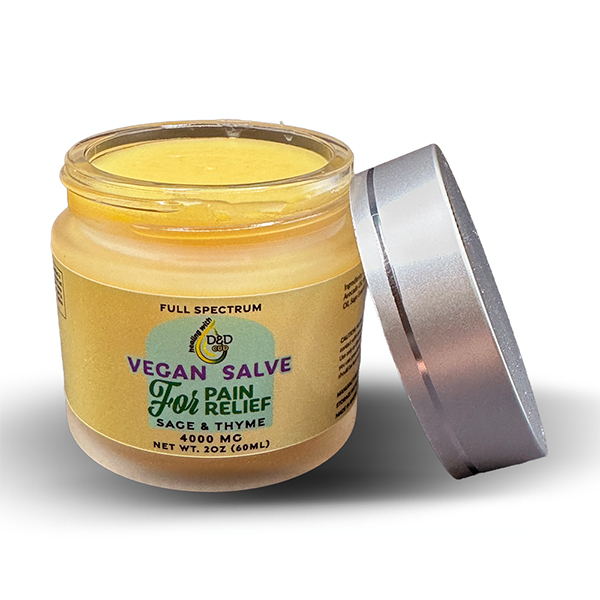
The format of the product also matters. Oils and tinctures tend to absorb faster than gummies, which makes them useful for people who want quicker onset before bed. Transdermal patches deliver cannabinoids slowly over time, which can support sustained relief through the night. Gummies are convenient and consistent in dosage. The right format depends on your situation — which is why we always recommend talking to someone before you buy rather than just grabbing what looks good.
CBN Oil for Sleep: The Cannabinoid Most People Haven’t Tried Yet
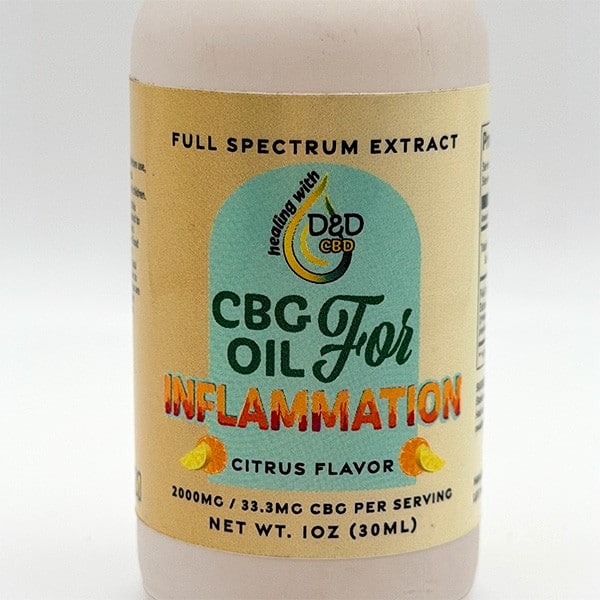
If you’ve used CBD for sleep and felt underwhelmed, CBN might be the answer you haven’t found yet. CBN — cannabinol — is a naturally occurring cannabinoid that forms when THC breaks down through exposure to oxygen and light over time. It’s non-psychoactive, federally legal under the 2018 Farm Bill, and increasingly recognized as one of the more effective natural sleep aids available.
Where CBD addresses the anxiety and cortisol side of sleeplessness, CBN works differently. It has direct sedative properties — it helps promote feelings of drowsiness and supports deeper, more restful sleep, not just the ability to fall asleep. For people who wake up at 2 or 3am and can’t get back down, that distinction is significant.
What the Research Says About CBN Oil for Sleep
The research on CBN for sleep is still developing, and it’s worth being honest about that. Most of the early studies were conducted in the 1970s and 1980s, and the sample sizes were small. But more recent evidence is more compelling. A 2024 double-blind, randomized, placebo-controlled trial involving 321 participants found that 20mg of CBN nightly significantly reduced nighttime awakenings compared to placebo — and did so without causing any daytime fatigue. That last point is worth sitting with, because daytime grogginess is the number one complaint people have about conventional sleep medications.
In a separate, larger trial of over 1,000 participants, 50mg of CBN showed sleep improvements that were statistically equivalent to standard sleep medications. Again, without the morning-after fog.
There’s also evidence that CBN and CBD work better together than either does alone. One study found that participants using a combination of CBN, CBD, and THC achieved an extra 72 minutes of sleep per night. We don’t carry THC-dominant products — that’s a deliberate choice — but the principle holds: the cannabinoids in our product line are designed to complement each other, not compete.
For Nassau County residents who are health-conscious and already wary of pharmaceutical sleep aids, CBN offers something genuinely different. It’s not melatonin. It’s not a sedative that leaves you foggy. It’s a cannabinoid that works with your body’s own regulatory system to support the kind of sleep that actually restores you.
CBD and CBN vs. Natural Sleep Remedies: How They Compare
The natural sleep remedies category has expanded significantly in recent years. Melatonin, magnesium, L-theanine, valerian root — there are more options than ever, and that’s genuinely good news for people who don’t want to rely on prescription medications. But not all of them address the same problem.
Melatonin works by signaling to your body that it’s time to sleep — it’s a timing tool, not a stress or anxiety tool. If your issue is that you can’t fall asleep because your mind is still running at full speed when you hit the pillow, melatonin alone usually isn’t enough. Magnesium and L-theanine support relaxation and can take the edge off a wired nervous system, but they don’t have the same reach into the endocannabinoid system that CBD and CBN do.
What makes CBD and CBN stand out in this category is that they address multiple causes of poor sleep simultaneously — anxiety, cortisol, physical discomfort, and the ability to stay asleep — rather than targeting just one. For someone dealing with chronic stress, pain, or the kind of hypervigilance that comes from years of high-pressure work, that broader action matters.
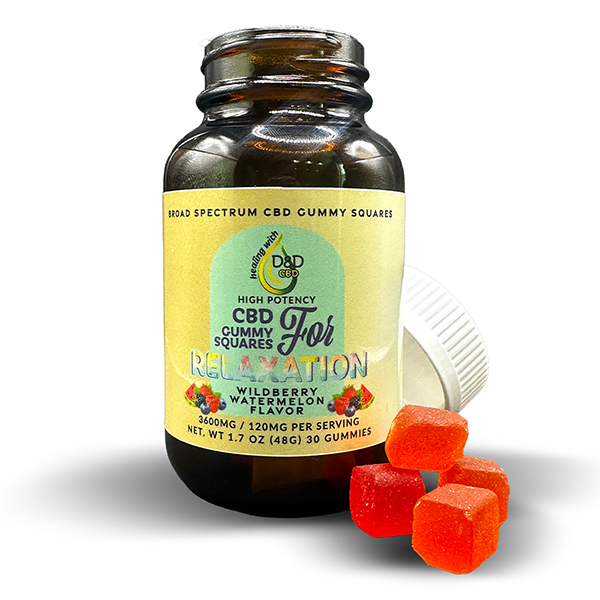
We also carry broad-spectrum gummies, which are formulated without THC and are a good option for people who are drug-tested or simply want to avoid any trace of THC in their system. Nassau County has a large professional workforce — finance, healthcare, law enforcement, education — and drug testing is a real concern for many of our customers. Broad-spectrum products give those buyers a clear path to using CBD and CBN without that risk.
Consistency matters more than any single dose with natural sleep remedies. The endocannabinoid system responds to regular, sustained input — which is why we offer subscription pricing for customers who want to build a real routine without paying full price every month.
Finding the Right CBD for Sleep in Nassau County, NY
If there’s one thing to take away from all of this, it’s that “CBD for sleep” isn’t one thing. The cannabinoid you use, the quality of the product, the format, the dose, and the consistency of your routine all affect whether it works. Most people who’ve tried CBD and been disappointed got one or more of those variables wrong — and that’s fixable.
We’re a family-owned business, and every person who reaches out talks to a real member of our family. Not a chatbot, not a customer service queue — Dean, Debbie, or Brandon. We’ll ask about your situation, explain what we carry, and help you figure out what actually makes sense for you.
If you’re in Nassau County and you’re done guessing, D&D CBD, Inc. is here when you’re ready to talk.