If you’ve been lying awake long enough to memorize the ceiling, you already know that “just try melatonin” isn’t always the answer. For a lot of people in Nassau County, NY — where long LIRR commutes, high-pressure careers, and months of northeastern darkness conspire against a decent night’s rest — sleep disruption isn’t occasional. It’s chronic. And once you’ve built a tolerance to the usual over-the-counter options, or decided you’re done with prescription sleep aids and their next-morning fog, the question becomes: what actually works? That’s what this post is here to answer.
Natural Sedatives: What They Are and How They Work
The term “natural sedative” sounds simple, but the mechanisms behind these compounds are surprisingly specific. Most of them work by influencing one of two systems in the body: the GABAergic system, which is responsible for calming neural activity, or the endocannabinoid system (ECS), which regulates sleep, mood, pain, and stress response. Some work on both.
Understanding which system a supplement targets helps explain why certain products work for some people and not others. Anxiety-driven insomnia — the kind where your brain won’t stop running through tomorrow’s to-do list — responds differently than pain-driven insomnia or early-morning waking. Matching the supplement to the mechanism is where most people go wrong, and why a one-size-fits-all approach to natural sleep support rarely holds up over time.
Which Natural Sedatives Have the Strongest Research Behind Them?
Melatonin consistently earns the highest evidence ranking among natural sleep supplements, and for good reason. It’s the most studied, the most widely available, and the most effective for sleep onset — particularly when circadian rhythms are disrupted by shift work, travel, or the shortened daylight hours that hit Nassau County, NY hard from October through March. If your primary problem is falling asleep, melatonin has the most clinical support behind it.
Magnesium glycinate comes in close behind. It’s particularly effective for people who are deficient — which is more common than most people realize — and research supports its role in improving overall sleep quality rather than just sleep onset. It’s gentle, well-tolerated, and pairs well with other compounds.
Valerian root has a longer history of use than almost anything else in this category, and while the evidence is more mixed than melatonin’s, the hypothesis behind it is solid: valerian appears to increase GABA activity in the brain, reducing the neural excitability that keeps people awake. Hops, often combined with valerian, shows similar sleep-quality benefits and adds a modest synergistic effect when the two are taken together.
L-theanine, an amino acid found in green tea, promotes relaxation without sedation — meaning it takes the edge off without making you feel knocked out. It’s best used in combination with other compounds rather than on its own, and it’s particularly useful for people who find that anxiety is the main driver of their sleep problems.
Then there’s CBD and CBN. CBD interacts with the endocannabinoid system in a way that doesn’t produce a high — it doesn’t bind directly to cannabinoid receptors the way THC does. Instead, it appears to prevent your body’s natural endocannabinoids from breaking down too quickly, letting them do their job more effectively. It also influences serotonin receptor activity, which matters because anxiety and sleep are deeply connected. A 2019 study published in The Permanente Journal found that 66.7% of patients reported improved sleep scores after one month of CBD use. CBN, a lesser-known cannabinoid, adds a pain-relieving dimension that makes it especially relevant for people whose sleep problems are rooted in physical discomfort rather than just mental restlessness.
Why Most People Get the Dosage and Format Wrong
One of the most common reasons natural sleep supplements fail isn’t the supplement itself — it’s how it’s delivered and dosed. A low-dose CBD isolate gummy from an unlicensed retailer is not the same thing as a full-spectrum tincture with a verified cannabinoid profile. The difference matters more than most people expect.
Full-spectrum hemp products contain the complete matrix of cannabinoids, terpenes, and flavonoids found in the plant — not just isolated CBD. This produces what researchers call the entourage effect, where the full combination of compounds works more synergistically than any single compound alone. If you tried a CBD product once and wrote it off because it didn’t do anything, there’s a reasonable chance you were using an isolate product at a dose that was too low to have a meaningful effect.
Delivery format matters too. Tinctures taken sublingually (under the tongue) absorb faster than capsules or gummies, which have to pass through the digestive system first. Transdermal patches work differently again — they deliver cannabinoids continuously through the skin over an extended period, which means no peaks and valleys in absorption. For sleep specifically, that kind of steady-state delivery has a real practical advantage: you’re not waking up at 3am because your supplement wore off at midnight.
There’s also the question of what’s actually in the product. The CBD market is largely unregulated at the federal level, which means product quality varies enormously. Third-party Certificates of Analysis — COAs from ISO-accredited labs that verify cannabinoid content and confirm the absence of pesticides, heavy metals, and residual solvents — are the only consumer-accessible way to know what you’re actually taking. If a brand won’t show you their COA, that tells you something.
Best Herbs for Sleep That Are Actually Worth Your Time
Herbal sleep remedies have been used for centuries, but not all of them have held up under modern clinical scrutiny. A 2024 literature review published in Psychiatry Investigation confirmed that several botanicals show genuine evidence for improving sleep quality through neurotransmitter modulation and sleep-wake cycle regulation — but the evidence is not equal across all of them.
Valerian root and hops are the strongest performers in the herbal category, particularly for sleep maintenance rather than just sleep onset. German chamomile has mild anxiolytic effects and reasonable clinical support for mild sleep disruption, though it’s not going to move the needle for someone dealing with serious chronic insomnia. Ashwagandha works primarily by reducing cortisol and stress response — it’s not a sedative in the traditional sense, but lowering baseline stress can meaningfully improve sleep onset over time.
How Herbs and Cannabinoids Work Together for Sleep
The most effective natural sleep approaches tend to be multi-compound rather than single-ingredient. This is true of herbal formulations — valerian plus hops outperforms either alone — and it’s equally true of hemp-derived cannabinoids. A product that combines CBD, CBN, and CBG doesn’t just give you three separate compounds; it gives you a cannabinoid profile that addresses sleep from multiple angles simultaneously.
CBG, or cannabigerol, supports mood regulation and may help reduce anxiety — which makes it a meaningful addition for people whose sleep problems are tied to mental stress rather than physical discomfort. CBN brings pain-relief properties into the equation. CBD handles the broader ECS interaction and serotonin pathway influence. Together, they cover more ground than any one of them could alone.
This is why the conversation about “which herb is best for sleep” is slightly the wrong framing. The better question is: what’s driving your specific sleep problem, and which combination of compounds addresses that mechanism? Someone waking up at 3am in pain needs something different than someone who can’t fall asleep because their mind won’t stop. Someone dealing with seasonal disruption from Nassau County, NY’s short winter days — when natural melatonin production is already suppressed by reduced light exposure — may benefit from a different approach than someone whose insomnia is purely stress-related.
Passionflower is another botanical worth mentioning. It’s less commonly discussed than valerian but has reasonable evidence for reducing anxiety and improving sleep quality, likely through GABA modulation similar to valerian. It’s often found in combination formulas alongside chamomile and lemon balm for a broader calming effect without heavy sedation.
The practical takeaway is this: if you’ve tried one herb and it didn’t work, that’s not evidence that natural sleep support doesn’t work for you. It may simply mean you tried the wrong compound for the wrong mechanism at the wrong dose. Starting with a clear-eyed look at what’s actually disrupting your sleep — anxiety, pain, early waking, difficulty falling asleep — points you toward the right category of solution much more reliably than just grabbing whatever’s on the shelf.
Natural Ways to Help You Sleep Beyond Just Taking a Supplement
Supplements work best when they’re not doing all the work alone. Natural ways to help sleep tend to compound — meaning that consistent sleep timing, light exposure management, and stress reduction amplify what a well-chosen supplement can do, rather than being alternatives to it.
Light exposure is particularly relevant in Nassau County, NY. The northeastern climate means significantly shorter days from October through March, and that reduction in natural light directly suppresses melatonin production and disrupts circadian rhythm regulation. Getting outside in the morning — even on a grey day — gives your body the light cues it needs to calibrate its internal clock. Managing blue light exposure in the evening, particularly from screens, helps the other end of that process.
Cortisol timing matters more than most people realize. Cortisol is supposed to peak in the morning and taper through the day, reaching its lowest point at night. Chronic stress — the kind that comes with long commutes, demanding work, and the general pace of suburban New York life — flattens that curve and keeps cortisol elevated into the evening. Ashwagandha’s primary value in a sleep context is addressing this: it’s not a sedative, but by reducing the cortisol load that keeps the nervous system activated at night, it creates better conditions for sleep to happen naturally.
Magnesium glycinate fits into this picture as well. Many people are deficient without knowing it, and magnesium plays a direct role in GABA activity — the same calming neurotransmitter pathway that valerian root targets. Taking magnesium glycinate in the evening is one of the most straightforward, well-supported additions to a natural sleep routine, and it pairs cleanly with CBD without any known interaction concerns.
One thing worth being honest about: if you’re on medications — particularly blood thinners, sedatives, or SSRIs — it’s worth a conversation with your doctor before adding CBD or herbal supplements to your routine. Not because these compounds are dangerous, but because interactions are possible, and a physician who knows your full picture is the right person to help you navigate that.
Finding Natural Sleep Support That’s Actually Trustworthy in Nassau County, NY
The best natural sleep supplements aren’t the ones with the most impressive packaging or the biggest claims — they’re the ones backed by real evidence, third-party verified quality, and a clear explanation of what’s in them and why it works. That standard eliminates a lot of what’s on the market.
For Nassau County, NY residents who’ve been down the prescription road, or who’ve tried melatonin and moved on, or who are dealing with the specific kind of sleep disruption that comes with long commutes, seasonal darkness, and high-pressure daily life — a full-spectrum hemp approach with a verified cannabinoid profile is worth a serious look. Not as a miracle, but as a well-supported, transparent option from a brand that will actually answer your questions.
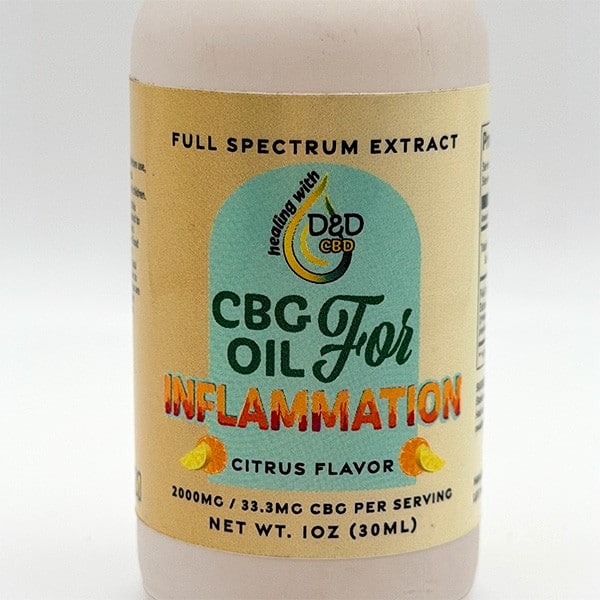
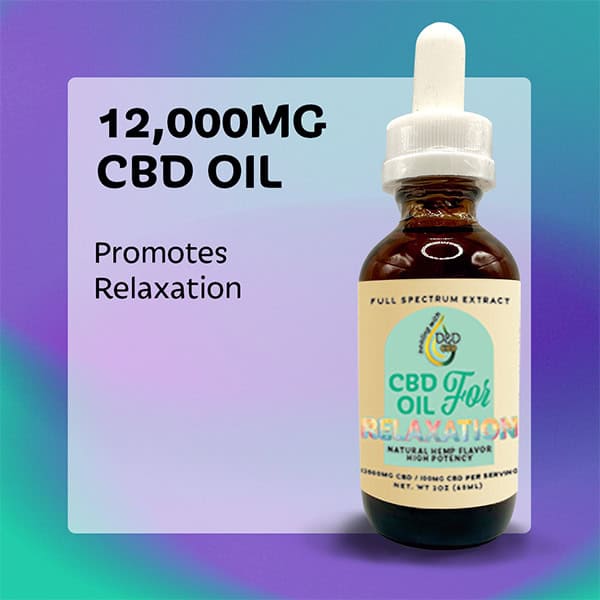
We at D&D CBD, Inc. are a family-owned, OCM-licensed hemp wellness brand serving Nassau County, NY with products that are third-party lab tested, openly documented, and backed by the kind of personal accountability that larger brands simply can’t offer. Reach out directly — a real person will respond.