
You’ve probably already tried melatonin. Maybe it helped you fall asleep, but you were wide awake at 3am anyway. Or maybe it worked for a week and then stopped. Or it left you dragging through the next morning feeling worse than if you’d taken nothing at all. That experience is more common than you’d think — and it’s exactly why people start searching for something different.
Melatonin isn’t a bad supplement. It just isn’t designed to do what most people are using it for. Understanding that distinction opens the door to options that actually address the problem. Here’s what you need to know.
Best Rated Natural Sleep Aid Options That Skip Melatonin Entirely
Melatonin is a hormone your body already produces. It signals to your brain that it’s time to sleep — it regulates timing, not depth or quality. That’s why it can be genuinely useful for jet lag or shift work, where the goal is to shift your internal clock. But if you’re lying awake with a racing mind, or waking up at 3am and staring at the ceiling, melatonin isn’t addressing the actual problem.
The best natural sleep aids without melatonin work differently. They target the nervous system, the stress response, or specific sleep-disrupting mechanisms rather than just nudging your body clock. That’s a meaningful distinction, especially for the kind of sleep issues that tend to persist for months or years.
Herbal Sleep Aids Without Melatonin: What the Research Actually Says
Herbal options have been used for sleep for centuries, and a few of them have solid modern research backing them up. Valerian root is probably the most studied — it appears to increase levels of GABA, a calming neurotransmitter in the brain, which helps quiet the kind of mental overactivity that keeps people awake. Chamomile works through a similar pathway and has a long history as a gentle, reliable wind-down aid.
Passionflower also raises GABA levels and has shown real promise in clinical settings for reducing anxiety-driven insomnia. Ashwagandha takes a different approach. It’s an adaptogen, meaning it works by reducing cortisol — the stress hormone that tends to spike at night for people under chronic pressure. If your sleep problems are tied to stress and anxiety rather than a simple inability to feel tired, adaptogens like ashwagandha can address the root cause more directly than a standard sleep supplement.
Lemon balm is another one worth knowing about. It’s often paired with valerian root because they complement each other well, and it has a calming effect that doesn’t leave most people feeling sedated the next morning.
One important caveat: the herbal supplement industry is not FDA-regulated, which means the quality and potency of these products varies enormously from one brand to the next. A valerian root capsule from a poorly manufactured product might contain almost none of the active compound you’re actually paying for. Third-party lab testing — specifically Certificates of Analysis, or COAs — is the only reliable way to verify what you’re getting. That’s not a small detail. It’s the difference between a supplement that works and one that doesn’t.
CBD and CBN for Sleep: How These Cannabinoids Work Without Melatonin
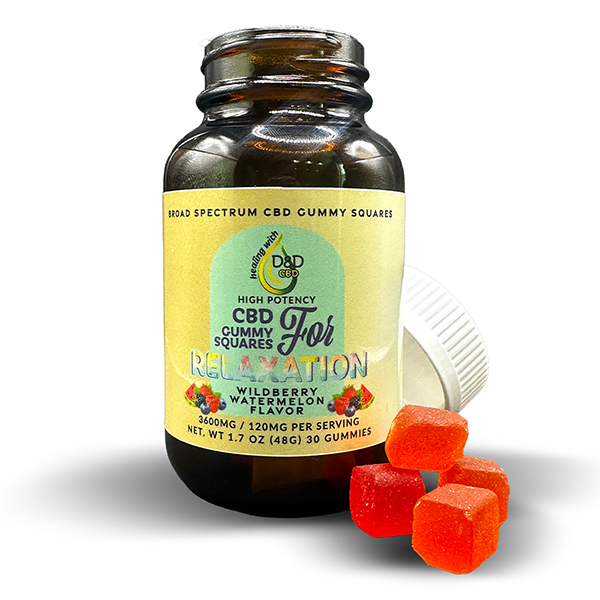
CBD has become one of the most talked-about natural sleep aids in recent years, and the research is catching up to the conversation. In one study of 72 participants, 66.7% reported improved sleep quality after using CBD. That’s a meaningful number, and it tracks with what a lot of people experience in practice — not a knockout effect, but a genuine reduction in the anxiety and physical tension that makes sleep difficult in the first place.
CBD works through the endocannabinoid system, or ECS — a network of receptors throughout the body that plays a significant role in regulating mood, stress response, and sleep-wake cycles. When the ECS is functioning well, falling asleep and staying asleep tends to be easier. CBD appears to support that system rather than override it, which is part of why it doesn’t produce the grogginess that some other sleep aids do.
CBN — cannabinol — is a lesser-known cannabinoid that’s getting more attention specifically for sleep. A 2023 study found that 20mg of CBN isolate successfully reduced nighttime wakefulness, which is a different outcome than simply helping people fall asleep faster. For anyone whose main complaint is waking up in the middle of the night, that’s a significant finding. CBN and CBD are often combined in sleep-specific formulations because they appear to complement each other.
It’s also worth noting what CBD doesn’t do. Hemp-derived CBD contains less than 0.3% THC by federal law. It’s non-psychoactive. It won’t make you feel high or impaired. For Nassau County, NY residents with demanding jobs, early LIRR commutes, or professional drug testing requirements, that matters. Broad-spectrum and isolate CBD products are specifically formulated to minimize THC content further for anyone with those concerns.
Top Rated Natural Sleep Aid Ingredients: A Practical Comparison
Not every natural sleep aid works the same way, and not every sleep problem has the same cause. That’s why comparing ingredients side by side is more useful than just grabbing whatever has the best packaging. The options that tend to perform best — both in research and in real-world use — each address a specific piece of the sleep puzzle.
L-theanine, an amino acid found naturally in green tea, promotes calm without sedation. It takes the edge off mental overactivity without making you feel drugged or sluggish. Magnesium — particularly magnesium glycinate — relaxes muscles, calms the nervous system, and is actually a precursor to your body’s own melatonin production. Getting enough magnesium doesn’t replace melatonin; it helps your body make the right amount on its own.
What Makes a Natural Sleep Supplement Worth Buying?
The supplement aisle — whether physical or digital — is overwhelming. Every product claims to be the best natural sleep aid supplement. Most of them lead with the same language: “all-natural,” “non-habit-forming,” “wake up refreshed.” The claims are almost identical across brands, which makes it genuinely hard to tell what’s actually different.
A few things actually matter. Third-party lab testing is the most important one. Because the FDA doesn’t regulate herbal supplements, a product can legally contain far less of an active ingredient than the label claims — or include contaminants the label doesn’t mention at all. A COA from an independent lab is the only way to verify that what’s on the label matches what’s in the bottle. Any brand worth buying should make these documents publicly available, not just mention them in passing.
Ingredient transparency matters too. You should know exactly what’s in the product, why each ingredient is included, and at what dose. Proprietary blends that list ingredients without quantities are a red flag — they make it impossible to evaluate whether you’re getting a clinical dose or a trace amount.
Formulation type affects how the product works in your body. A tincture (oil drops taken under the tongue) absorbs faster than a gummy, which has to pass through the digestive system first. A patch delivers a slow, sustained release over several hours — which can be particularly effective for sleep maintenance rather than just sleep onset. Knowing what kind of sleep problem you’re dealing with helps you choose the right delivery method, not just the right ingredients.
Finally, consistency matters more than most people realize. Natural sleep aids generally work better over time than in a single dose. A supplement that fits into a sustainable routine — one you’ll actually take every night — is more valuable than the most scientifically impressive formula you use twice and forget about.
Why Nassau County, NY Residents Are Looking for Melatonin-Free Sleep Solutions
Sleep problems in Nassau County, NY tend to follow a specific pattern. The commute into the city — whether it’s the LIRR, the Long Island Expressway, or the Northern State Parkway — means early mornings and long days. By the time most people get home, decompress from traffic or a packed train, and handle whatever the evening brings, the window to actually wind down before a reasonable bedtime is already gone. The nervous system is still running at full speed when the lights go out.
That’s not a willpower problem. It’s a physiology problem. Chronic stress elevates cortisol, which directly interferes with sleep quality. A racing mind at 11pm isn’t a character flaw — it’s what happens when the body doesn’t have time or space to downshift. And that’s precisely the situation where melatonin tends to underperform. Melatonin can nudge you toward sleep, but it doesn’t do much for the underlying tension that’s keeping you awake.
Nassau County’s population also tends to be health-literate and research-oriented. People here have usually already read the labels, tried a few things, and formed opinions. They’re not looking for a sales pitch — they’re looking for something that will actually work and that they can trust. That’s why the question of sourcing, testing, and transparency matters so much in this market specifically.
At D&D CBD, Inc., we’re based in East Northport and offer free local delivery throughout Nassau and Suffolk County. We’re a family-owned operation — Dean and Brandon Nichol run things directly, which means when you have a question about which product is right for your specific situation, you’re talking to someone who actually knows the answer. Not a chatbot. Not a generic FAQ page. Every one of our products is third-party lab tested with COAs available on our site, and we hold active New York State OCM licenses (OCM-HMPD-24-01160 and OCM-HMPR-26-13111-001), so you know exactly what you’re buying and from whom.
One customer who had been dealing with chronic pain for a decade told us she was shocked to sleep 7.5 hours straight — and that even morphine hadn’t done that for her. We’re not making medical claims. We’re just sharing what real people in this community have experienced. For anyone who’s been through the cycle of trying things that don’t work, that kind of outcome speaks for itself.
How to Choose the Best Natural Sleep Aid Without Melatonin for You
The short version: melatonin works for some people in some situations, but it’s not the right tool for most chronic sleep problems. The options that tend to work better — CBD, CBN, valerian root, magnesium, L-theanine, adaptogens — each address different pieces of the puzzle, and the right choice depends on what’s actually keeping you awake.
Quality matters more than brand recognition. Third-party testing, transparent ingredients, and the right delivery format for your specific sleep issue are what separate a supplement that works from one that sits in a drawer after two weeks. And consistency is what turns a good supplement into a real solution.
If you’re not sure where to start, that’s a reasonable place to be. There’s a lot of noise in this space. We at D&D CBD, Inc. offer in-person appointments at our East Northport location as well as free local delivery throughout Nassau and Suffolk County — and we’re happy to have a real conversation about what’s going on with your sleep and what’s most likely to help. No pressure, no guesswork, just an honest answer from people who know their products and stand behind them.