
You’ve probably already tried something. Maybe melatonin from the drugstore. Maybe a sleep tea. Maybe a prescription you weren’t thrilled about. And if you’re reading this, none of it solved the problem — or at least not reliably. That’s where most people are. The market for natural sleep remedies is enormous, the claims are everywhere, and it’s genuinely hard to know what’s worth your time and money. This guide cuts through that. We ranked the most common natural remedies for insomnia by what the research actually supports, not by marketing budgets or trending hashtags. Start here.
Top Rated Sleep Supplements: What the Evidence Actually Says
Not all natural sleep supplements are created equal, and the evidence behind them varies more than most people realize. Some have decades of clinical research behind them. Others have one promising study and a lot of enthusiastic packaging. Knowing the difference matters — especially if you’ve already tried one thing and written off the whole category because it didn’t work.
The most consistently supported options are melatonin, magnesium glycinate, valerian root, and CBD. Each works through a different mechanism, which is actually useful — because what keeps you awake might not be the same thing keeping your neighbor awake. A supplement that targets cortisol isn’t going to do much if your problem is pain. One that helps you fall asleep might not help you stay asleep. The evidence rankings that follow reflect that nuance.
Melatonin and Magnesium: The Two Most Researched Starting Points
Melatonin has the strongest clinical backing of any natural sleep supplement, particularly for sleep onset — meaning how long it takes you to fall asleep in the first place. It’s also well-studied for jet lag and shift work recovery. What most people get wrong about melatonin is the dose. Research consistently shows that 0.5 to 3 milligrams is often just as effective as the 5 or 10 milligram doses commonly sold in stores, and higher doses are more likely to cause morning grogginess or interfere with your body’s own melatonin production over time. More is not better here.
If melatonin hasn’t worked for you, it’s worth asking whether the dose was actually appropriate before concluding the compound doesn’t work.
Magnesium glycinate is the second most evidence-backed option, and it works through a completely different pathway. Magnesium is a precursor to melatonin, meaning your body needs it to produce melatonin on its own. It also plays a direct role in regulating cortisol and relaxing the nervous system — which is why it tends to be more helpful for people whose sleep problems are rooted in stress or physical tension rather than a disrupted sleep schedule. The glycinate form is better absorbed and gentler on digestion than other forms of magnesium, which is why it’s the one most commonly recommended for sleep specifically.
Together, these two supplements address the most common physiological reasons people struggle to fall asleep or stay asleep. They’re not glamorous, but the research behind them is real, and they’re a reasonable first step for anyone starting from scratch with natural sleep support.
Valerian Root and CBD: The Options Worth Considering When the Basics Aren’t Enough
Valerian root has been used for sleep and anxiety for centuries, and the modern research — while more mixed than melatonin’s — does support its use, particularly for chronic insomnia rather than the occasional rough night. Studies have used doses ranging from 160 to 600 milligrams per day, and the proposed mechanism involves compounds that inhibit GABA reuptake, producing a calming effect on the nervous system similar in some ways to how anti-anxiety medications work, but without the same dependency profile. It tends to take a few weeks of consistent use before the effects become noticeable, which is why people who try it once or twice and stop often don’t see results.
CBD is where it gets more nuanced — and where a lot of people have been burned by low-quality products. The research on CBD and sleep is still developing, but the more useful framing is this: CBD doesn’t sedate you the way a sleeping pill does. What it appears to do well is reduce the anxiety and physical discomfort that prevent sleep in the first place. For people whose insomnia is driven by a racing mind, chronic pain, or stress that won’t quiet down at night, that distinction matters enormously.
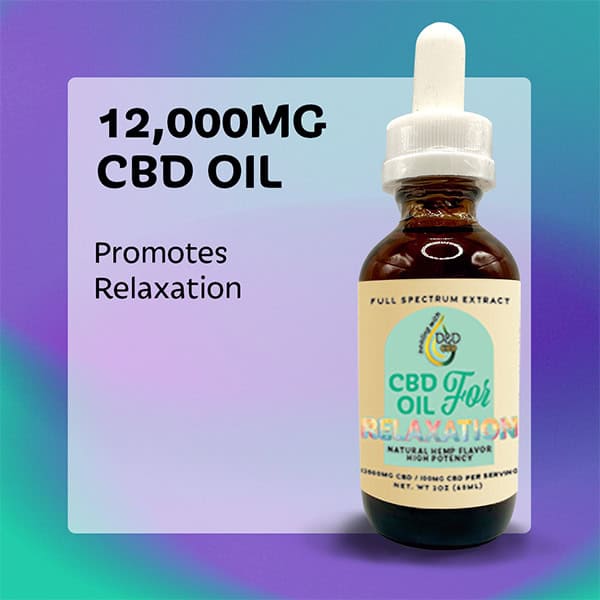
Several of our customers have described the shift as their mind finally being able to stop running — not being knocked out, but being calm enough to actually rest. The catch with CBD is product quality. Independent testing has repeatedly found that many products on the market contain significantly less CBD than their labels claim. That’s not a reason to avoid CBD — it’s a reason to be selective about where you buy it. Third-party lab testing with publicly available Certificates of Analysis is the minimum standard worth holding any CBD product to, and it’s something we take seriously at D&D CBD, Inc. Every product we carry is third-party tested, and the COAs are available for you to review. That transparency isn’t common in this industry. It should be.
Best Natural Sleep Aid for Nassau County Residents Dealing with Chronic Stress
Nassau County, NY has a particular relationship with sleep deprivation. A large portion of the county commutes into New York City via the LIRR — often 45 to 90 minutes each way — and arrives home late, wound up, and expected to be functional again in the morning. That kind of schedule doesn’t just create tired people. It creates people whose nervous systems are chronically activated, whose cortisol stays elevated well into the evening, and whose bodies genuinely struggle to downshift into sleep even when they’re exhausted.
That’s a different problem than occasional jet lag or a stressful week at work. It’s structural, it’s ongoing, and it doesn’t respond well to a single low-dose melatonin gummy. The best natural sleep aid for this population is one that addresses the underlying state — the stress load, the tension, the activated nervous system — not just the symptom of lying awake.
How to Treat Insomnia Naturally When Stress Is the Root Cause
When stress is the primary driver of insomnia, the most effective natural approaches work on the nervous system rather than directly on sleep itself. Magnesium glycinate is useful here because of its cortisol-regulating effect. L-theanine, an amino acid found in green tea, has shown promise for reducing anxiety-related sleep disruption, particularly when combined with other compounds rather than used alone.
Passionflower has some research behind it for GABA activity and may help with the kind of anxious, racing-mind insomnia that wakes people at 3 a.m. and won’t let them back down. Full-spectrum CBD addresses this category well because it works on the endocannabinoid system — a regulatory network throughout the body involved in stress response, pain perception, and mood. The “full-spectrum” distinction matters because it means the product contains multiple cannabinoids, terpenes, and flavonoids that work together synergistically, rather than isolated CBD alone. This is what’s often described as the entourage effect, and it’s why full-spectrum formulations tend to outperform CBD isolate for people dealing with complex, multi-layered sleep issues.
What Makes a CBD Sleep Product Actually Worth Buying in Nassau County, NY
The CBD market is crowded, and most of the noise in it comes from products that either don’t contain what the label says or are sold by companies with no real accountability to the people buying from them. If you’ve tried CBD for sleep and felt nothing, there’s a reasonable chance the product was underdosed, low-quality, or both. That’s not a verdict on CBD as a category — it’s a quality problem specific to that product.
What separates a product worth buying from one that isn’t comes down to a few concrete things. Third-party lab testing with batch-matched Certificates of Analysis is the baseline — it confirms actual cannabinoid content and tests for heavy metals, pesticides, and contaminants. Full-spectrum formulation is preferable to isolate for the reasons described above. And the company selling it should be able to tell you exactly what’s in the product and stand behind it with real accountability.
At D&D CBD, Inc., we carry oils, gummies, salves, and patches — all third-party tested, all with COAs available. We don’t carry smokables or flower products. That’s a deliberate choice. We’re on the wellness side of this industry, and the people we work with are looking for clean, health-focused options. Many of our customers are dealing with serious things: chronic pain, anxiety, disrupted sleep from illness or caregiving. One of our most cited testimonials comes from a customer who described results that even years of prescription pain management hadn’t achieved.
We’re based in East Northport and offer free local delivery across Nassau County, NY. If you’d prefer to talk through options before buying, we’re available by appointment — and when you reach out, you’re talking to a real person, not a chatbot. Our products are rated 5.00 out of 5 stars across our featured line, and we have over 50 five-star Google reviews, each one personally responded to by our team. First-time customers get 10% off their order through our newsletter signup, and subscription pricing brings that savings ongoing. If you’ve been on the fence, that’s a low-risk way to try something that might finally make a difference.
FAQs: Natural Cures for Insomnia — What Nassau County Residents Ask Most
**Does CBD actually help with insomnia?** The research is still developing, but the evidence points to CBD being most effective for sleep problems rooted in anxiety, stress, or chronic pain — which covers a large portion of the insomnia cases we hear about from Nassau County, NY customers. It doesn’t sedate you directly; it reduces what’s keeping you awake. For many people, that’s the more useful intervention.
**Is CBD legal to buy in New York for sleep?** Yes. Hemp-derived CBD with less than 0.3% THC is federally legal under the 2018 Farm Bill, and New York State has its own licensing framework for hemp retailers. D&D CBD, Inc. holds two active OCM licenses (OCM-HMPD-24-01160 and OCM-HMPR-26-13111-001) and operates in full compliance with New York State regulations. If you’re shopping locally in Nassau County, NY, that licensing means you’re buying from a regulated, accountable source.
**What if I’ve already tried melatonin and it didn’t work?** Melatonin primarily addresses sleep onset and circadian rhythm — it’s not designed for stress-driven or pain-driven insomnia. If melatonin hasn’t worked for you, it may simply be the wrong tool for your specific situation. Magnesium glycinate, valerian, or full-spectrum CBD may be more appropriate depending on what’s actually keeping you awake.
**Are natural sleep aids safe for long-term use?** Most of the options covered here — melatonin at appropriate doses, magnesium, valerian, and CBD — do not carry the dependency or tolerance profiles associated with prescription sleep medications or OTC antihistamines. That said, if you’re on other medications, it’s worth checking with your doctor before adding anything new, particularly CBD, which can interact with certain drugs.
If you’re in Nassau County, NY and you’re tired of guessing, D&D CBD, Inc. is worth a conversation. We’ve helped a lot of people finally get some rest — and we’re straightforward about what we carry and why.