You’ve probably heard about CBD from a friend, a coworker on the LIRR, or maybe a late-night search after another restless night. And you’re not here because you’re sold on it — you’re here because you’re not sure yet. That’s a reasonable place to be. The CBD market is crowded, the claims are everywhere, and it’s genuinely hard to know what’s real. This guide isn’t going to tell you CBD is a miracle. What it will do is give you an honest look at what CBD wellness actually involves, who tends to benefit most, and how to tell whether a product is worth your time and money.
What Is a CBD Daily Routine — and Why Does It Matter?
CBD isn’t a one-and-done kind of thing. Most people who see real results aren’t using it occasionally when something hurts — they’re using it consistently, as part of a daily routine. That distinction matters more than most brands will tell you.
The body has an endocannabinoid system that plays a role in regulating stress, sleep, pain signals, and mood. CBD interacts with that system, but it tends to work best when it’s given something to work with over time. Think of it less like taking ibuprofen for a headache and more like taking a daily supplement — the effects build with consistency.
Research backs this up. A study published in the Journal of Cannabis Research found that 54% of CBD users take less than 50mg daily, and 72.6% take it sublingually — meaning under the tongue, where it absorbs quickly into the bloodstream. That’s not a recreational pattern. That’s a wellness routine.
What Are the Real CBD Health Benefits People Are Experiencing?
The top reasons people turn to CBD aren’t vague — they’re specific, and they show up consistently across multiple studies. Stress relief leads the list at 65.3%, followed by sleep problems at 51.7%, overall well-being at 52.5%, improved mood at 44.9%, and anxiety relief at 40.9%, according to a study published in PMC/NCBI. Nearly 70% of people in that same study reported finding CBD products effective.
For Nassau County, NY residents specifically, those numbers map onto real life in a recognizable way. Long commutes on the LIRR, high-pressure jobs, the financial weight of living in one of the more expensive counties in the country — stress and sleep disruption aren’t abstract problems here. They’re Tuesday.
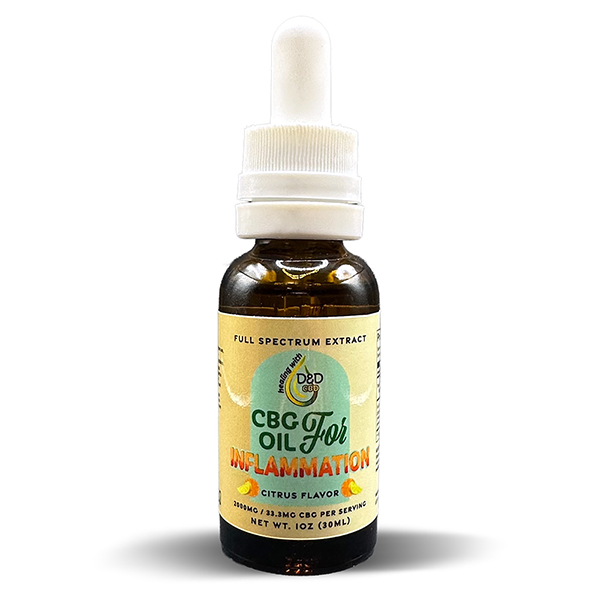
Beyond stress and sleep, a significant portion of CBD users are dealing with chronic pain and inflammation. Joint discomfort, recovery from an active lifestyle, the kind of persistent aches that conventional options haven’t fully addressed — these are the situations where CBD tends to generate the strongest testimonials. One of our customers described using a transdermal patch after a bee sting and finding that six hours later the swelling, redness, and itching had completely resolved. Another came to us after ten years of chronic pain. A third reported restored range of motion in her neck — a longstanding problem area — and described it as a game-changer.
These aren’t cherry-picked outliers. They’re the kinds of outcomes that happen when someone finds the right product, uses it consistently, and gives it time to work. That said, CBD is not a treatment for any disease, and we don’t claim otherwise. What it can do — for many people, in many situations — is meaningfully support the body’s ability to manage the things that wear on it every day.
One thing worth noting: the CBD wellness space is not the same as the recreational cannabis market. Hemp-derived CBD contains less than 0.3% THC by federal law. It is non-psychoactive. It will not get you high. For Nassau County, NY professionals, parents, and athletes who’ve been hesitant because of that concern, this is a meaningful distinction — and one that often gets lost when CBD is sold alongside THC products in a dispensary setting.
Full-Spectrum, Broad-Spectrum, or Isolate — Which One Is Right for You?
If you’ve spent any time researching CBD, you’ve probably run into these three terms and walked away more confused than when you started. Here’s a straightforward breakdown.
Full-spectrum CBD contains all the naturally occurring compounds in the hemp plant, including trace amounts of THC (under 0.3%). Many people find full-spectrum products more effective because of what’s called the “entourage effect” — the idea that cannabinoids and terpenes work better together than in isolation. If you’re not subject to drug testing and want the most complete hemp experience, full-spectrum is worth considering.
Broad-spectrum CBD contains multiple cannabinoids and terpenes but has the THC removed. It’s a middle ground — you still get some of the entourage effect, but without the THC exposure. This is often the right choice for people who are concerned about drug testing or who simply prefer to avoid THC entirely.
CBD isolate is pure CBD — nothing else. It’s the most straightforward option and the easiest to dose precisely, though it lacks the additional plant compounds that may enhance effectiveness. For someone just starting out who wants to keep things simple, isolate can be a good entry point.
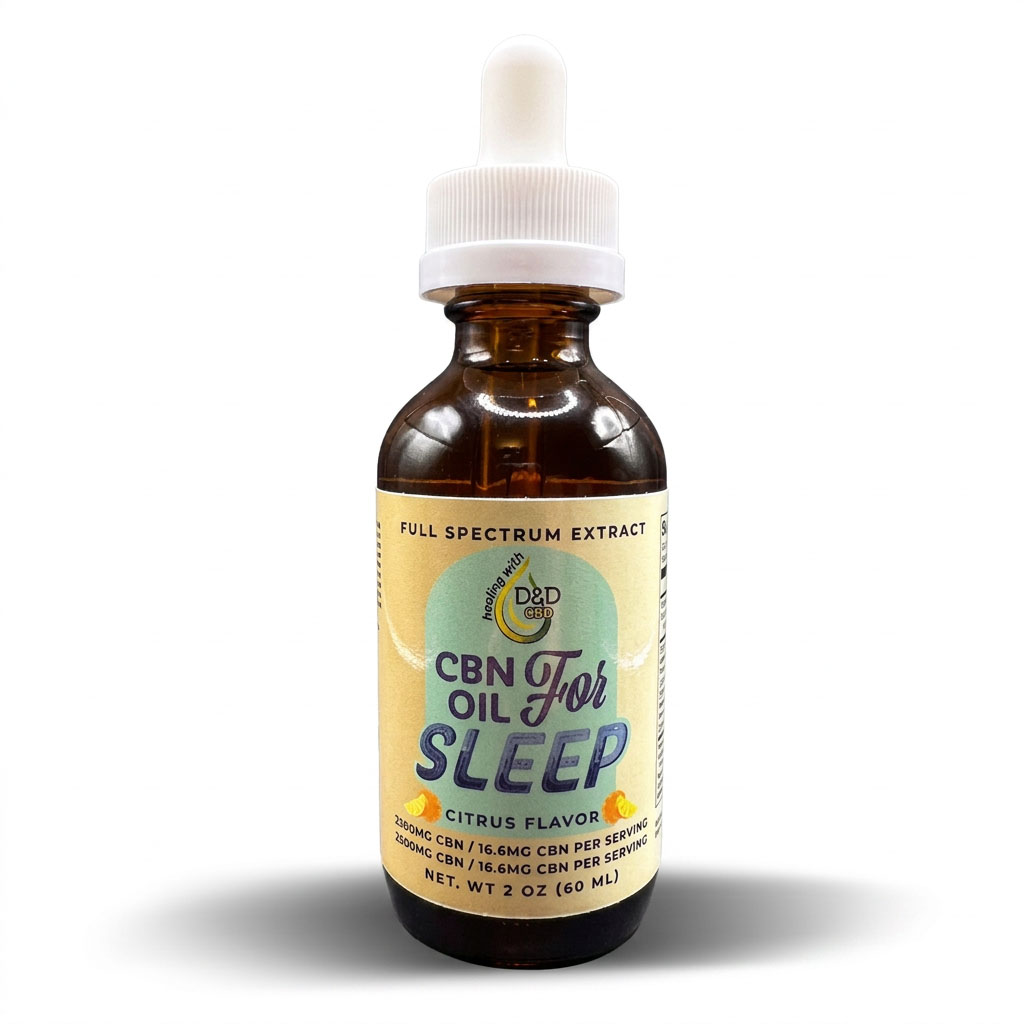
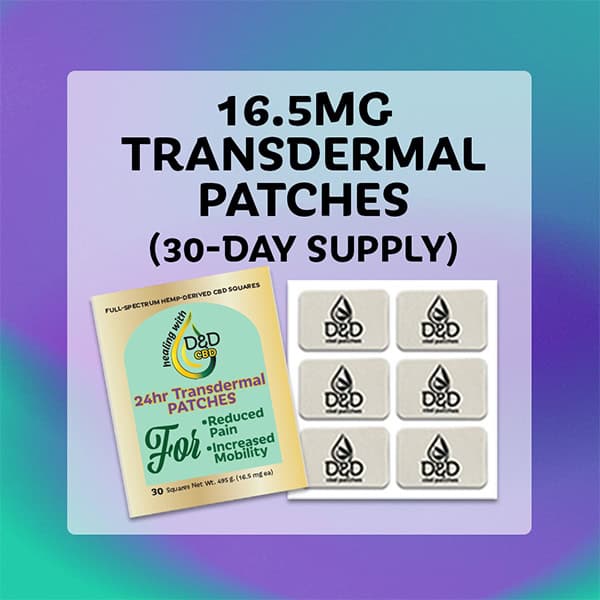
The format matters too. Oils and tinctures absorb quickly and allow you to adjust your dose easily. Gummies are convenient, discreet, and consistent. Topicals and transdermal patches work directly at the site of discomfort — the patch technology we carry, for example, delivers CBD through the skin over hours, which is particularly useful for localized pain or inflammation. Pet products are formulated specifically for animal physiology and dosing — not repurposed human products.
The honest answer to “which one is right for you” is that it depends on your goals, your lifestyle, and your body. That’s exactly why we offer in-person and virtual appointments — so you’re not guessing.
How to Build a CBD Routine That Actually Works
Starting a CBD routine doesn’t need to be complicated, but it does require a little intention. The biggest mistake most people make is treating it like a test — taking it a few times, not noticing an immediate dramatic shift, and writing it off. CBD typically takes time to build in your system, and the right dose varies significantly from person to person.
A reasonable starting point is a low daily dose — taken at the same time each day — for at least two to four weeks before drawing conclusions. Morning use tends to support focus and stress management throughout the day. Evening use tends to support sleep and recovery. Some people use both. The format you choose will also influence timing: tinctures absorb faster than gummies, patches provide sustained release over hours, and topicals work best applied directly to the area of concern.
Consistency is the variable most people underestimate. The research supports it, and so does the experience of our customers who’ve become what they describe as lifelong users.
How Do I Know If a CBD Product Is Actually What It Claims to Be?
This is the right question to ask, and the fact that you’re asking it puts you ahead of most buyers. The CBD market has a well-documented problem with mislabeling — products that don’t contain the CBD potency listed, or that contain undisclosed contaminants. It’s not a fringe issue. It’s one of the primary reasons consumer trust in the industry has been slow to build.
The solution is straightforward, even if most brands don’t make it easy: look for a Certificate of Analysis, or COA, from a third-party laboratory. A COA verifies the actual cannabinoid content of the product, confirms that THC levels are within legal limits, and checks for pesticides, heavy metals, and microbial contaminants. If a brand won’t show you their COA — or makes it difficult to find — that tells you something.
Every product we carry at D&D CBD, Inc. comes with a publicly accessible COA. Not available upon request. Not buried in a PDF on page four of the site. Right there, readable, before you buy. We hold active New York State OCM licenses — OCM-HMPD-24-01160 and OCM-HMPR-26-13111-001 — which means our operation is regulated and accountable under New York’s hemp framework, not operating in a gray zone.
For Nassau County, NY consumers navigating a market that now includes recreational dispensaries, licensed hemp processors, and everything in between, this kind of transparency isn’t a nice-to-have. It’s how you protect yourself from wasting money on a product that doesn’t deliver what it promises. New York’s OCM licensing framework exists precisely to create accountability in this space, and we take that seriously. If you want to verify our licenses directly, you can — they’re public record.
The broader point is this: the quality of what you put in your body matters, and in a market with this much variability, the brands worth trusting are the ones that make verification easy. We do.
Is CBD Wellness Legal and Safe in Nassau County, NY?
Yes — and the answer is clearer than most people realize. Hemp-derived CBD has been federally legal since the 2018 Farm Bill, which distinguished hemp (under 0.3% THC) from marijuana and removed it from the federal controlled substances list. New York State has its own regulatory framework through the Office of Cannabis Management, which oversees licensed hemp processors and distributors. Forty-seven out of fifty U.S. states permit CBD usage to varying degrees, and New York is among the more regulated — which, for consumers, is actually a good thing.
On the safety question: CBD is generally well-tolerated, and the research on it continues to grow. A study cited by Precedence Research found that CBD significantly reduced anxiety symptoms in 79.2% of participants. Harvard Health and WebMD both acknowledge its potential while noting that product quality varies — which circles back to the importance of third-party testing.
The question we hear most from Nassau County, NY residents isn’t really “is it legal?” — it’s “is this going to affect my job or my drug test?” That’s a fair concern, especially for professionals in industries with testing requirements. Broad-spectrum and isolate products minimize THC exposure significantly. Full-spectrum products contain trace THC, and while the amount is small, it’s worth factoring in if testing is a real concern for you. This is exactly the kind of conversation we have during consultations — not to upsell you, but to make sure you’re choosing the right product for your actual situation.
One more thing worth saying clearly: CBD wellness and recreational cannabis are not the same thing. We don’t sell smokable hemp flower. We don’t carry THC products. Everything we offer — oils, gummies, salves, transdermal patches, pet products — is designed for wellness consumption. That’s a deliberate choice, and it reflects what we believe CBD is best suited for. If you’re a Nassau County, NY resident who’s been hesitant because the CBD conversation keeps getting tangled up with the recreational cannabis market, we understand that hesitation. And we think the distinction matters.
Finding the Right CBD Wellness Approach for Your Life
CBD wellness isn’t right for everyone — but for a lot of people dealing with stress, sleep issues, chronic discomfort, or inflammation, it’s worth an honest look. The key is approaching it with the right expectations: consistent daily use, a quality product you can verify, and a format that fits your life.
What separates a good experience from a frustrating one usually comes down to the product and the guidance behind it. Not every brand will take the time to help you figure out what actually makes sense for your situation. We do — because that’s how this was built, and it’s how we operate.
If you’re in Nassau County, NY and ready to have a real conversation about whether CBD wellness fits your health goals, D&D CBD, Inc. is here for it. In person, virtually, or via local delivery — however works best for you.