Most people searching for CBD oil in New York aren’t new to the idea. They’ve done some reading, maybe tried something that didn’t work, and now they’re trying to figure out why — or whether they can actually trust what they’re buying. That’s a reasonable place to be. The CBD market in New York is large, loosely understood by most consumers, and full of products ranging from genuinely effective to essentially useless. This guide is for the buyer who wants to cut through that noise. By the end, you’ll know what New York law actually requires, how to read a Certificate of Analysis, and what separates a licensed wellness retailer from everything else out there.
What CBD in New York Actually Requires From Sellers
New York is one of the most regulated CBD markets in the country — which is either reassuring or confusing, depending on how much you know about it. Hemp-derived CBD became federally legal under the 2018 Farm Bill, but New York adds a separate layer of state-level requirements on top of that. Any business selling CBD products in New York — online or in person — is required to hold a Cannabinoid Hemp Retail License issued by the Office of Cannabis Management, or OCM.
That license isn’t automatic or symbolic. It comes with real obligations: mandatory third-party lab testing for every product, compliance with cannabinoid content regulations, age verification, and a prohibition on selling smokable forms. As of December 2023, all products sold by licensed retailers must be tested by OCM-approved laboratories before they can hit shelves. The OCM issued 3,265 Cannabinoid Hemp Licenses and Permits as of its 2024 Annual Report — but a significant portion of what gets sold in gas stations, smoke shops, and unlicensed online stores operates entirely outside that framework.
How to Tell if a CBD Retailer in New York Is Actually Licensed
This is the question most buyers never think to ask — and it’s the one that matters most. A 2023 study found that 50% of randomly selected CBD products purchased from large chain retailers had meaningful inconsistencies between their Certificates of Analysis and their product labels. Most contained less CBD than advertised. That’s not a fringe problem. It’s a widespread one, and it exists precisely because so many sellers operate without the oversight that licensing requires.
The simplest way to verify a retailer is to ask for their OCM license number and look it up. A legitimate licensed retailer will have it and won’t hesitate to show it. We display ours directly on our homepage — OCM-HMPD-24-01160 (Hemp Processor/Distributor) and OCM-HMPR-26-13111-001 (Hemp Retailer) — because we think that’s the baseline level of transparency any buyer deserves.
Beyond the license number itself, look at how the retailer talks about their products. Do they explain the difference between full-spectrum, broad-spectrum, and isolate? Do they make lab results available without you having to ask? Are they willing to help you figure out what’s actually right for your situation — or are they just pointing you toward whatever’s most expensive? These aren’t trick questions. They’re the kind of thing a knowledgeable, accountable retailer should handle without blinking.
For Nassau County, NY residents specifically, this matters in a practical way. The county’s health-conscious, suburban buying demographic is a target for both excellent products and genuinely bad ones. The same area that has some of the highest household incomes in the country also has plenty of gas stations and online storefronts selling CBD that’s never been near an OCM-approved lab. Knowing how to tell the difference isn’t paranoia. It’s just smart buying.
CBD Certificate of Analysis: What It Is and Why It Matters
A Certificate of Analysis, or COA, is a document produced by a third-party laboratory that independently verifies what’s actually in a CBD product. It’s not a marketing document. It’s a lab report — and it should be specific to the batch you’re buying, not a generic document the brand created once and reuses indefinitely.
A legitimate COA will show you the cannabinoid profile: how much CBD is in the product, whether the THC content is at or below the legal 0.3% threshold, and whether other cannabinoids like CBG or CBN are present and at what levels. It will also include testing for contaminants — pesticides, heavy metals, residual solvents — because those are the things that turn a wellness product into a health risk. The lab that produces the COA should be ISO 17025-accredited and DEA-registered. If it isn’t, the results aren’t worth much.
Here’s the part most buyers skip: the batch number on the COA should match the batch number on the product you’re holding. If a retailer can only provide a COA with no batch reference, or one dated more than a year ago, that’s a meaningful red flag. It means the product you’re buying may not have been tested under the same conditions — or at all.
We make all of our COAs publicly available on our website because we think the buyer should be able to verify this before they spend a dollar, not after. If you’ve ever purchased CBD and wondered whether it actually contained what the label said, a COA is how you stop wondering. It’s also how you recognize the difference between a brand that takes product integrity seriously and one that’s banking on the fact that most buyers won’t check.
For anyone in Nassau County, NY managing a chronic condition — whether that’s back pain from years of commuting, post-surgical recovery, sleep disruption, or supporting a family member through a difficult diagnosis — this isn’t an academic exercise. The product either works or it doesn’t, and the COA is the closest thing you have to a guarantee that what’s in the bottle matches what you need.
What to Look for in a Licensed CBD Retailer Near Nassau County
Licensing and lab testing are the floor, not the ceiling. Once you’ve confirmed a retailer is OCM-licensed and provides verifiable COAs, the next question is whether they can actually help you make a good decision — not just sell you something.
That’s a harder thing to evaluate online, but there are signals. Does the retailer explain what different product formats do and when each one makes sense? Do they carry options for different needs — tinctures for systemic relief, topicals for localized pain, patches for extended release, products for pets? Are they reachable by a real person when you have a question? And do they have a track record in the community they serve, not just a website with good photography?
Why “No Smokables” Is Actually a Feature, Not a Limitation
New York law already prohibits licensed cannabinoid hemp retailers from selling smokable forms — no pre-rolls, no flower, no cigarettes, no rolling papers. We don’t sell any of that, and not just because the law says so. We built this business specifically for people who want the therapeutic side of CBD without any association with recreational cannabis culture. That’s a real distinction that matters to a lot of buyers in Nassau County, NY.
There’s a meaningful difference between a CBD wellness retailer and a cannabis dispensary, and it’s not just about what’s on the shelves. It’s about who the business is built for. If you’re a 60-year-old managing arthritis in Garden City, or a caregiver in Rockville Centre trying to help a parent sleep through the night, or a professional in Mineola who’s been dealing with neck pain since a car accident three years ago — you’re probably not looking to walk into a dispensary. You want to talk to someone who understands what you’re dealing with and can point you toward something that’s been tested, regulated, and actually designed for your situation.
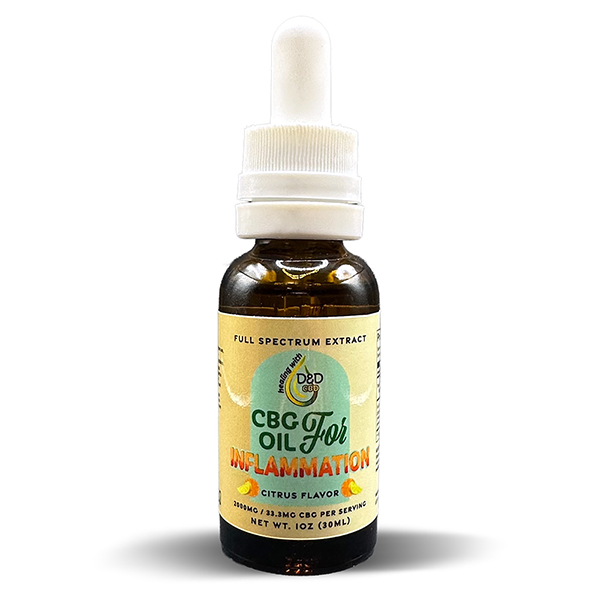
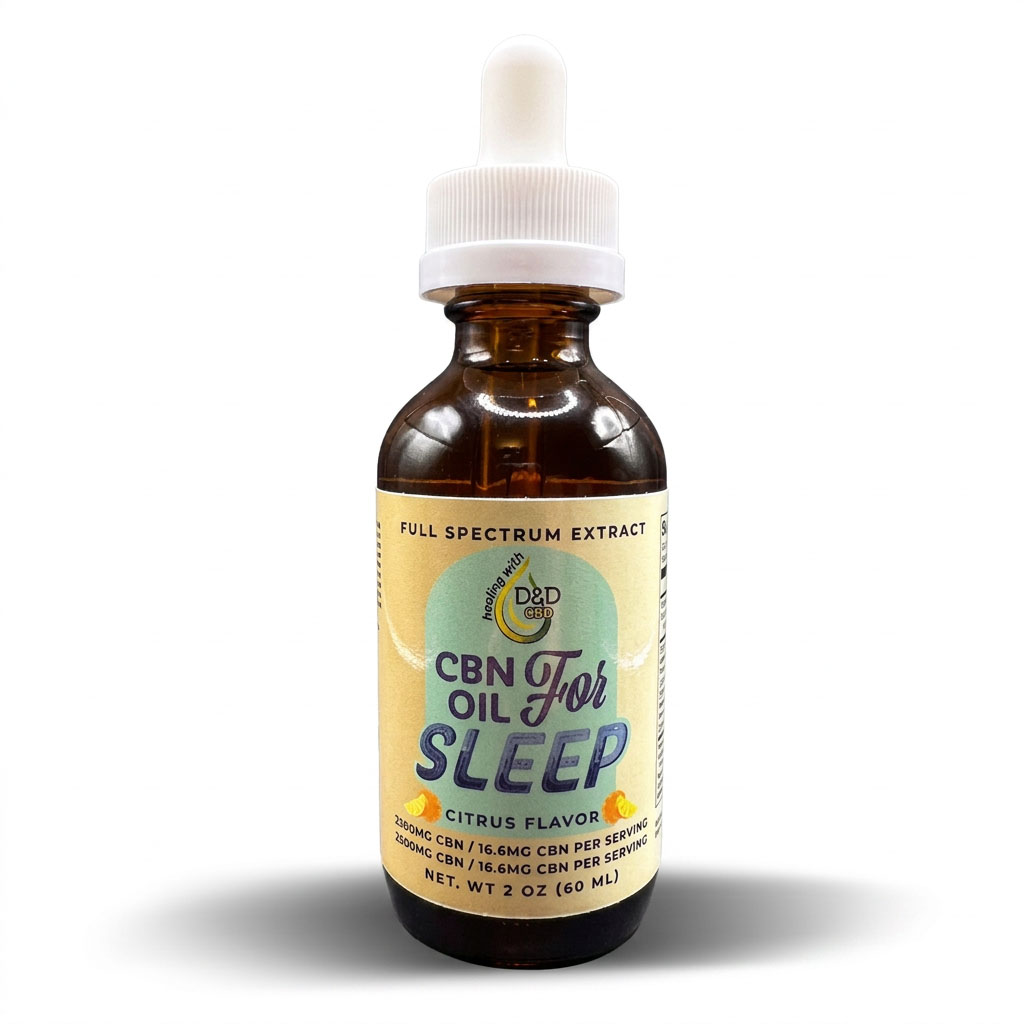
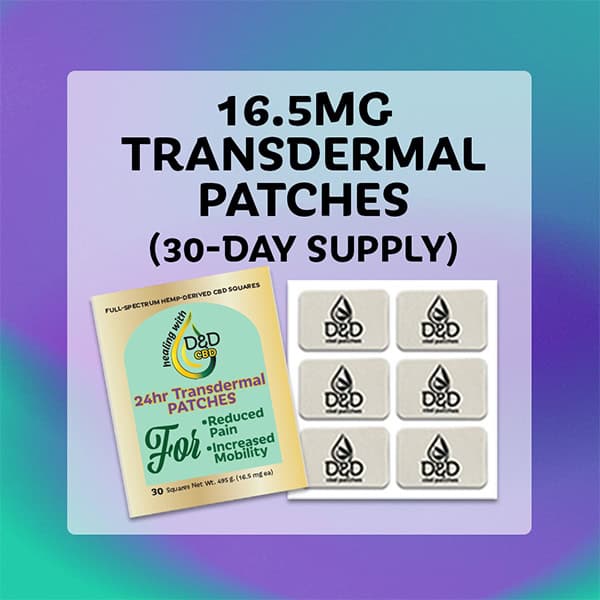
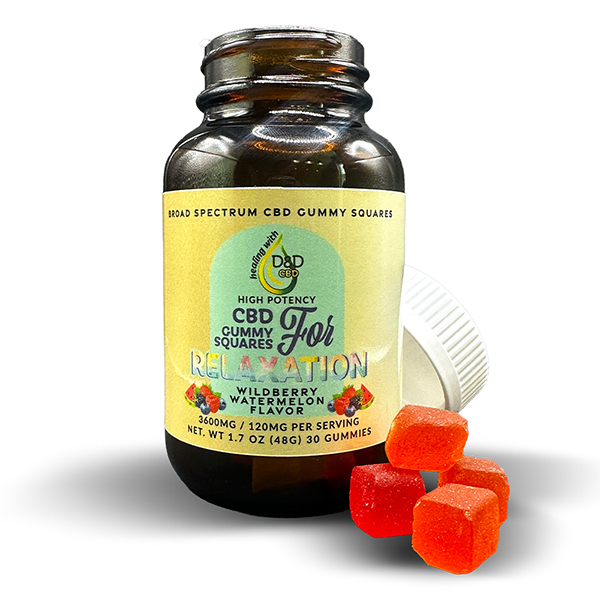
Our product line — CBD and CBN and CBG tinctures, vegan topical salves, the Ameo Entune 24-hour transdermal CBD patch, gummies, and CBD products for pets — is built around that kind of buyer. Every product is third-party tested. Every COA is available before you purchase. And because we operate by appointment with free local delivery available across Nassau County, you don’t have to drive anywhere or navigate a storefront that feels like it wasn’t built for you.
We started this business because of our own family’s experience with chronic pain and serious medical conditions — including our daughter Erika, who has had more than 60 surgeries and relies on CBD as part of managing her pain and anxiety. That’s not a backstory we put in the “About” section and forget about. It’s the reason we take product quality and transparency as seriously as we do, and it’s why we talk to every customer like a real person rather than a transaction.
Common Questions Nassau County CBD Buyers Ask Before Purchasing
One of the most common questions we hear is some version of: “Will this get me high?” The answer is no. Hemp-derived CBD with 0.3% THC or less — which is what New York law requires and what all of our products contain — is non-intoxicating. It won’t impair you, and it won’t produce the psychoactive effects associated with marijuana. That’s verified by the COA on every product we sell.
A close second is: “How do I know what dose to take?” This is where buying from a real person makes a meaningful difference. Dosing depends on your body weight, the condition you’re addressing, the product format you’re using, and whether you’re new to CBD or have tried it before. When you reach out to us — by phone, by text, or by scheduling an appointment — you get a direct conversation with someone who can actually help you figure that out, whether you’re in Massapequa, Long Beach, Hicksville, Merrick, or anywhere else across Nassau County.
People also ask about drug testing, which is a legitimate concern for professionals and anyone subject to employer screening. While hemp-derived CBD with trace THC levels is generally considered low-risk for standard drug tests, we always recommend checking with your employer or medical provider if this is a concern. We’re not going to tell you something is definitely fine if the stakes are real for you.
For Nassau County, NY residents specifically: we offer free local delivery, so location is never a barrier. Whether you’re in Massapequa, Long Beach, Hicksville, Merrick, or anywhere else across the county, you don’t need to come to us — we can come to you. And for customers who prefer to order online, we ship nationwide. The subscription option brings CBD oil drops from $100 to $90 per month, which makes consistent daily use significantly more manageable over time.
The last question worth addressing here is one people don’t always ask directly but are clearly thinking: “Why should I trust you over anyone else?” We’re OCM-licensed, our license numbers are public, our COAs are publicly available, and our Google reviews are from real named customers with real conditions. We’ve been part of the Northport and Huntington Chamber communities since we opened, we’ve been featured in The Northport Observer, and we sponsor local organizations like Monday’s Cancer Care because this community is where we live and work — not just where we ship packages.
How to Buy CBD Oil in New York With Confidence
Buying CBD in New York doesn’t have to be a guessing game. The framework is actually straightforward: confirm the retailer is OCM-licensed, ask for a current COA that matches the product batch, and make sure you’re talking to someone who can help you choose the right format and dosage for your specific situation. Everything else — price, packaging, marketing language — is secondary to those three things.
If you’re in Nassau County, NY and you’ve been trying to sort through this on your own, we’d genuinely like to help. D&D CBD, Inc. was built for exactly this kind of buyer — someone who takes their health seriously, wants real answers, and isn’t interested in being sold something that hasn’t been properly tested or explained. Reach out to us directly, and you’ll get a real person on the other end of that conversation.
]