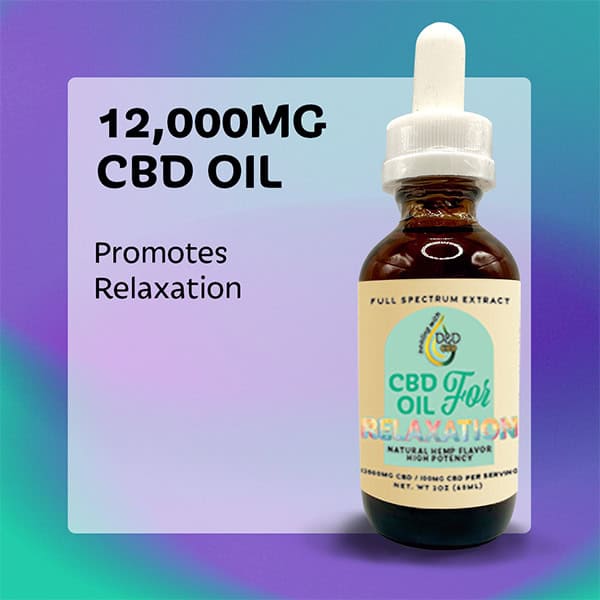

If you’ve landed here, you’re probably past the “does CBD even work for dogs?” stage. You’ve done some reading, maybe tried something already, and now you’re trying to figure out which format actually makes sense for your dog’s situation. Treats or oil — it sounds like a minor detail, but the difference matters more than most people realize. It affects how fast you see results, how easy it is to stay consistent, and what you’re actually paying per dose. Here’s an honest look at both so you can decide what fits your dog — and your routine.
CBD for Dogs Anxiety: How Each Format Works Differently
When a dog is anxious — whether it’s from a thunderstorm rolling in off the Sound, a July 4th fireworks show echoing through a Nassau County neighborhood, or the daily reality of being home alone while you commute into the city — the format of CBD you choose changes how quickly and effectively it can help.
CBD oil absorbs faster. When it’s dropped under the tongue or mixed into food, it enters the bloodstream more directly than something that has to travel through the digestive system first. That means you’re typically looking at 15 to 30 minutes before it starts working. Treats take longer — closer to 45 minutes to an hour — because they have to be digested first.
Neither is wrong. But knowing the difference helps you plan. If your dog starts pacing every time dark clouds roll in, having oil on hand gives you a faster response window. If you know a trigger is coming — a scheduled vet visit, a holiday weekend — a treat given an hour ahead can be just as effective and a lot easier to administer.
Why CBD Dog Treats Are the Easier Daily Option for Most Pet Owners
There’s a reason treats are the most popular format for CBD pet products. Dogs love them. That might sound obvious, but it matters more than people give it credit for. If your dog fights you every time you try to get a dropper near their mouth, the best oil in the world isn’t going to do much — because consistency is what makes CBD work.
Treats solve the compliance problem entirely. Your dog thinks they’re being rewarded. You don’t have to measure anything, worry about spillage, or wrestle anyone to the floor. One of our own customers described her six-month-old puppy waiting anxiously every night for her bedtime CBD treat. That kind of routine — where the dog is excited for the supplement — is exactly what consistent dosing looks like in real life.
Treats are also the better choice when you’re away from home. Whether you’re at a boarding facility, a family gathering, or just out for a walk when your dog gets spooked, a treat in your pocket is far more practical than a bottle of oil. For Nassau County families who travel frequently or have dogs in and out of different environments, that portability matters.
The tradeoff is precision. Treats come pre-dosed, which is convenient, but it also means you can’t easily fine-tune the amount your dog gets. If your dog needs a slightly higher or lower dose than what a single treat provides, you’re either splitting treats or doubling up — neither of which is as clean as adjusting a dropper.
And there’s one more thing worth saying plainly: not all CBD dog treats actually contain meaningful amounts of CBD. A significant number of “calming chews” on the market are primarily herbal blends — chamomile, valerian root, melatonin — with little to no verified CBD content. The only way to know what you’re actually buying is to look at a Certificate of Analysis from a third-party lab. If a brand doesn’t publish one, that’s your answer.
CBD for Senior Dogs: When Oil Is the Smarter Long-Term Choice
Senior dogs present a different set of considerations than younger, healthy dogs dealing with situational anxiety. An aging dog may be managing joint pain, age-related cognitive changes, weight sensitivity, and in some cases, existing medications — all at the same time. That complexity changes the calculus on format.
Oil is generally the better fit for senior dogs, and the main reason is adjustability. As a dog’s needs shift — which they do as they age — you can increase or decrease the dose in small increments without committing to a fixed amount per treat. That flexibility becomes especially important if your dog is also taking other medications and you need to start low and move carefully.
Weight is another factor. Many senior dogs are on calorie-restricted diets, and treats — even CBD treats — add calories. Oil added to food doesn’t carry the same concern. For dogs with dental issues, hard biscuit-style treats can also be a problem, making oil the more practical option.
From a cost standpoint, oil also tends to be more economical for long-term daily use. A quality 30ml bottle typically runs between $40 and $80 depending on potency, while a bag of 30 CBD treats at 5mg each usually costs $25 to $45. When you do the math on a per-milligram basis, oil generally comes out 20 to 40 percent cheaper. For a senior dog that needs CBD every single day, that difference adds up over months.
A 2020 study on dogs with osteoarthritis found that higher doses of CBD led to significant improvements in quality-of-life scores as assessed by both pet caregivers and veterinarians. That kind of sustained, measurable benefit requires consistent daily dosing — and oil makes that consistency easier to maintain precisely and affordably over time.
If your senior dog’s situation feels complicated — multiple health concerns, existing medications, uncertainty about where to start — that’s exactly the kind of conversation worth having with someone who can actually help you think it through. We’re here to talk it through with you directly.
CBD Oil for Dogs with Anxiety: The Case for Using Both Formats Together
Here’s something most comparison articles skip over: treats and oil aren’t competing options. For a lot of dogs — especially those dealing with both chronic background anxiety and occasional acute triggers — the most effective approach is using both.
The logic is straightforward. Oil in the morning provides a steady baseline. It keeps the endocannabinoid system consistently supported throughout the day, which matters for dogs with separation anxiety — a common reality in Nassau County households where owners are commuting into the city for eight to twelve hours at a stretch. Then, when a specific event is coming — a thunderstorm, a grooming appointment, a busy holiday weekend — a treat given 45 minutes to an hour ahead adds a targeted layer of support right when it’s needed.
Some pet owners give oil at home and keep treats on hand for travel or outings. Others build a morning oil routine and use treats as a midday or evening supplement. There’s no single right answer, which is exactly why it helps to talk through your dog’s specific patterns before committing to a routine.
How to Know If a CBD Dog Product Is Actually Worth Buying
The CBD pet market has grown fast — the global segment was valued at $331 million in 2024 and is projected to reach nearly $4 billion by 2033. That kind of growth attracts a lot of brands, and not all of them deserve your money or your dog’s health.
Four things separate a quality product from a marketing exercise. First, a publicly available Certificate of Analysis from a third-party lab — not a vague claim that the product is “lab tested,” but an actual document you can read that shows the CBD content, confirms THC is at or below 0.3%, and screens for contaminants. If a company won’t show you that document, move on.
Second, the CBD content should be clearly stated per treat or per milliliter — not just per bag or per bottle. Knowing there are “200mg per bag” tells you nothing useful if you don’t know how many treats are in the bag and whether the distribution is even.
Third, look for full-spectrum or broad-spectrum hemp extract rather than isolate. Full-spectrum products retain the naturally occurring compounds from the hemp plant — cannabinoids, terpenes, flavonoids — which work together in what’s commonly called the entourage effect. That synergy is what makes the difference between a product that does something and one that doesn’t.
Fourth, the sourcing and extraction method matter. Organic, non-GMO hemp processed without harsh solvents is the standard you should expect from any brand charging a premium price.
In New York, there’s an additional layer of accountability worth paying attention to. The Office of Cannabis Management regulates hemp-derived CBD products at the state level. A brand holding active OCM licenses — which we do, under OCM-HMPD-24-01160 and OCM-HMPR-26-13111-001 — has met New York’s regulatory requirements, not just federal minimums. For Nassau County residents buying locally, that distinction matters.
Frequently Asked Questions About CBD Dog Treats and Oil
**Will CBD make my dog high?** No. CBD is not psychoactive. The compound responsible for a high is THC, and hemp-derived CBD products are required by federal law to contain 0.3% THC or less. Our pet products are specifically formulated with your dog’s safety in mind, and every batch is verified by third-party lab testing.
**How long does it take for CBD dog treats to work?** Treats typically take 45 minutes to an hour to take effect because they’re digested before entering the bloodstream. If you know a stressful event is coming — Nassau County’s Fourth of July fireworks, a vet visit, a grooming appointment — give the treat about an hour ahead of time. For faster response in an unexpected situation, oil is the better tool.
**Is CBD oil or treats better for my dog’s anxiety?** It depends on the type of anxiety. For chronic, daily separation anxiety — which is common in Nassau County homes where owners are away for long workdays — oil provides consistent baseline support and is easier to dose precisely over time. For situational anxiety tied to specific triggers like storms or fireworks, treats work well because you can time them in advance. Many dog owners find that using both gives them the most flexibility.
**Can I give my dog too much CBD?** Dosing is weight-dependent, and starting low is always the right approach. At very high doses, some dogs show elevated liver enzymes, so it’s worth being thoughtful about how much you’re giving and adjusting gradually. If your dog is on other medications, that’s a conversation worth having before you start — we’re happy to talk it through with you directly.
**How do I know the treats I’m buying actually contain CBD?** Ask for the Certificate of Analysis. A legitimate COA from a third-party lab will show the actual cannabinoid content per serving — not just per package — and confirm what’s in the product. We publish COAs for all of our products. If a brand can’t or won’t provide one, that tells you everything you need to know.
Which CBD Format Is Right for Your Dog? Here’s How to Decide
If your dog needs something fast and flexible — or if you’re managing daily anxiety from long commuter hours and want precise control over dosing — oil is usually the better starting point. If your dog is treat-motivated, you travel frequently, or you’re dealing with predictable situational triggers like Nassau County’s busy fireworks season or summer storm patterns, treats make the routine easier to stick to. And if your dog has ongoing needs that don’t fit neatly into one category, using both formats together is a genuinely smart approach, not an upsell.
What matters most isn’t which format sounds better on paper. It’s whether the product you’re buying actually contains what it claims, comes from a source you can verify, and fits the way your dog actually lives. Those aren’t complicated standards — but they do require asking the right questions before you buy.
If you’re not sure where to start, or if your dog’s situation is more complex than a general guide can address, reach out to us at D&D CBD, Inc. There’s a real person on the other end — no automated responses, no generic advice — and we’re happy to help you figure out what actually makes sense for your dog.